Nepal has intensified its crackdown on online abuse, misinformation and hateful content targeting survivors and families affected by the devastating Bhotekoshi floods, as authorities warn that harmful social media activity is deepening the trauma caused by the disaster.
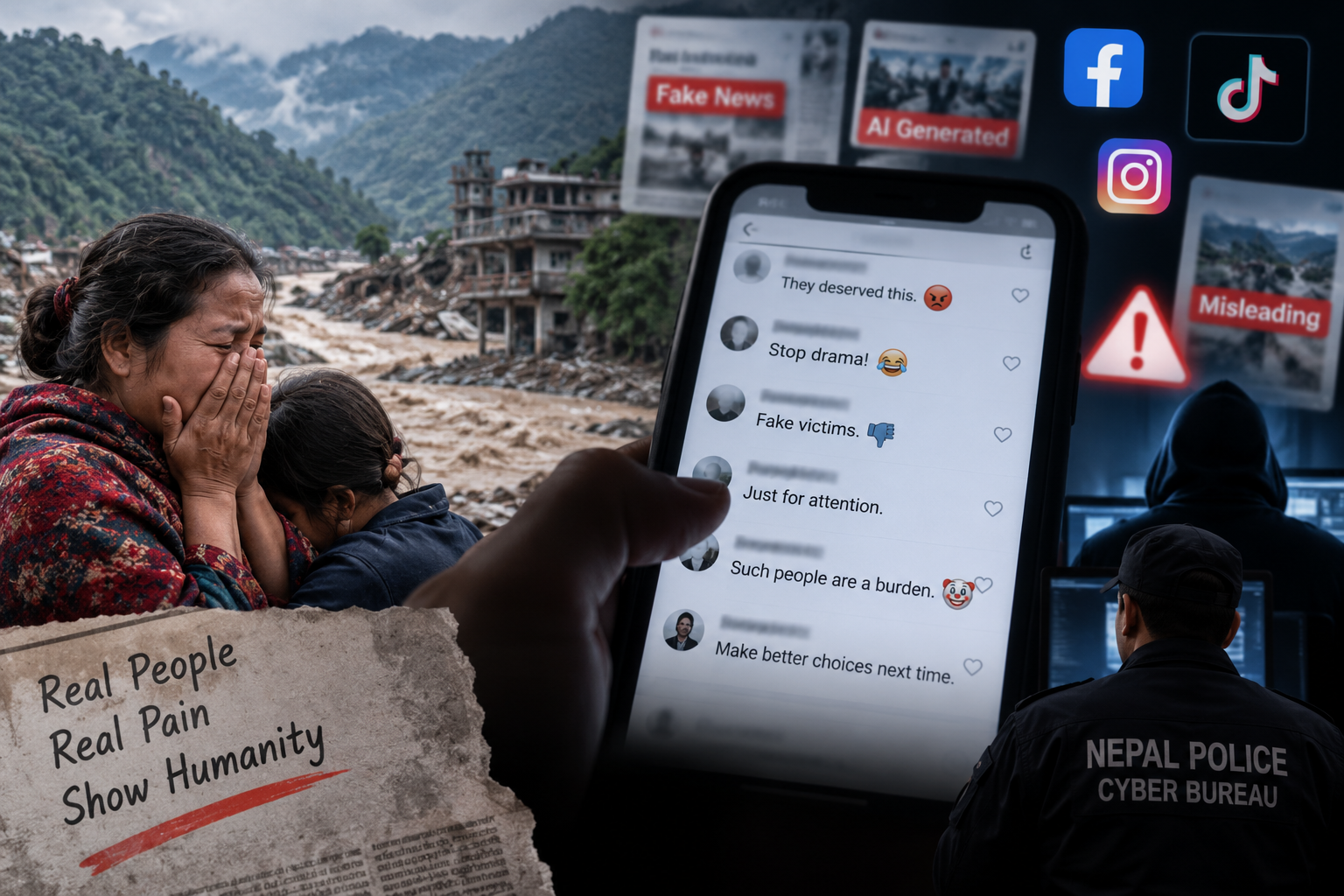
The move follows growing concern over abusive comments directed at flood victims, relatives of missing people and communities affected by the August 26 disaster. Prime Minister Balendra Shah has warned that people mocking, harassing or deliberately exploiting victims online will face legal action.
The Nepal Police Cyber Bureau has formed a 10-member team to monitor social media, identify accounts involved in abusive or misleading activity and coordinate legal action.
The team, led by Cyber Bureau DSP Gajendra Acharya, is investigating content that includes hateful comments, misinformation, rumours and material that could further inflame social tensions during the disaster response.
Police say the monitoring is focused not only on deliberately fabricated information but also on content that can cause unnecessary fear, distress or social conflict.
Police have already arrested a 24-year-old man in connection with allegedly abusive Facebook Reels targeting ethnic communities and expressing approval over the loss of life and property caused by the floods.
According to police, the suspect posted derogatory remarks concerning the ethnic identity of flood victims. Authorities say such posts can aggravate tensions at a time when communities are already dealing with deaths, displacement and missing family members.
Police have warned that people who intentionally create or circulate such material may face legal consequences.
The crackdown comes after a wider wave of misleading information emerged following the Bhotekoshi disaster.
Authorities and fact-checkers have identified AI-generated videos, recycled footage from other countries, manipulated photographs and false claims presented as fresh images from flood-hit areas.
Earlier investigations found that some viral videos claimed to show Nepal's disaster response but were actually recorded during earlier incidents in India and elsewhere. Other highly viewed flood videos were found to have been generated or altered using artificial intelligence.
The problem has been particularly serious because families are using social media to search for missing relatives and obtain information about rescue operations.
False reports can therefore create both confusion and false hope.
According to police, authorities have identified 173 pieces of misinformation and rumour-related content on social media platforms.
Of these, 168 were found on Facebook, four on TikTok and one on Instagram. Authorities said 83 pieces of content—79 from Facebook and four from TikTok—had been removed through cyber-monitoring efforts.
Officials are also monitoring potential scams involving people collecting donations in the name of flood victims.
The latest police action follows earlier government efforts to work directly with technology companies.
The government has asked Meta and TikTok to remove graphic images, AI-generated material, fake donation QR codes and misleading posts connected to the Bhotekoshi disaster.
Authorities have also urged the platforms to reduce the time taken to respond to complaints because harmful material can reach thousands or millions of users before it is removed.
Officials have argued that social media companies should use stronger automated systems to detect and restrict graphic and fabricated disaster-related content.
Beyond misinformation, authorities are increasingly concerned about the lack of empathy shown toward people directly affected by the disaster.
Some relatives of missing hydropower workers have publicly appealed for faster rescue operations. In some cases, instead of receiving support, they have faced mocking and abusive comments online.
The situation has raised concerns among journalists, fact-checkers and officials that disaster victims are being turned into subjects of online entertainment, political arguments or viral content.
During an emergency, such behaviour can cause additional psychological harm to families already dealing with uncertainty and grief.
Officials have appealed to social media users to verify information before reposting photographs, videos, casualty figures or claims about rescue operations.
The government has particularly warned against sharing:
Authorities say people who unintentionally share questionable material may be warned and asked to remove it, while those deliberately spreading harmful misinformation could face legal action.
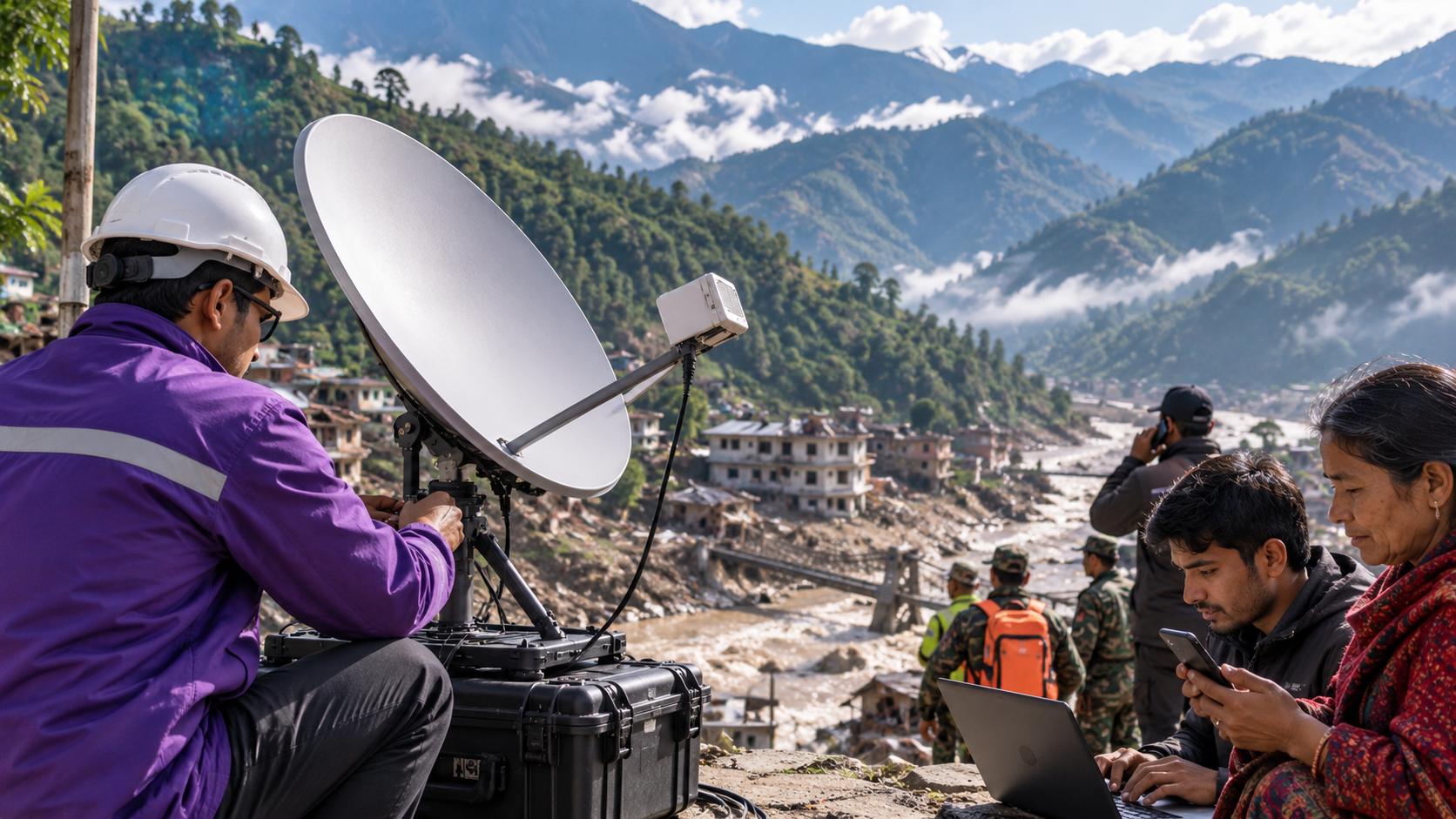
The challenge comes as Nepal continues to deal with the enormous humanitarian consequences of the August 26 Bhotekoshi floods. Thousands of people remain affected, while search teams continue looking for missing people and authorities work to restore damaged infrastructure.
In such circumstances, officials say accurate information is not simply a matter of responsible social media use—it can directly affect rescue operations, relief distribution and the safety of vulnerable communities.
HamroBichar will continue to follow developments in the Bhotekoshi disaster and report verified information while avoiding the spread of unverified or harmful content.
Tags: Nepal, Bhotekoshi Flood, Online Abuse, Cyber Bureau, Social Media, Misinformation, AI Videos, Flood Victims, Nepal Police, Balendra Shah, Facebook, TikTok
Comments
0 comments
Loading comments...