US President Donald Trump has rejected an Iranian proposal that Tehran said could reopen the Strait of Hormuz within seven days and revive negotiations to end the conflict.
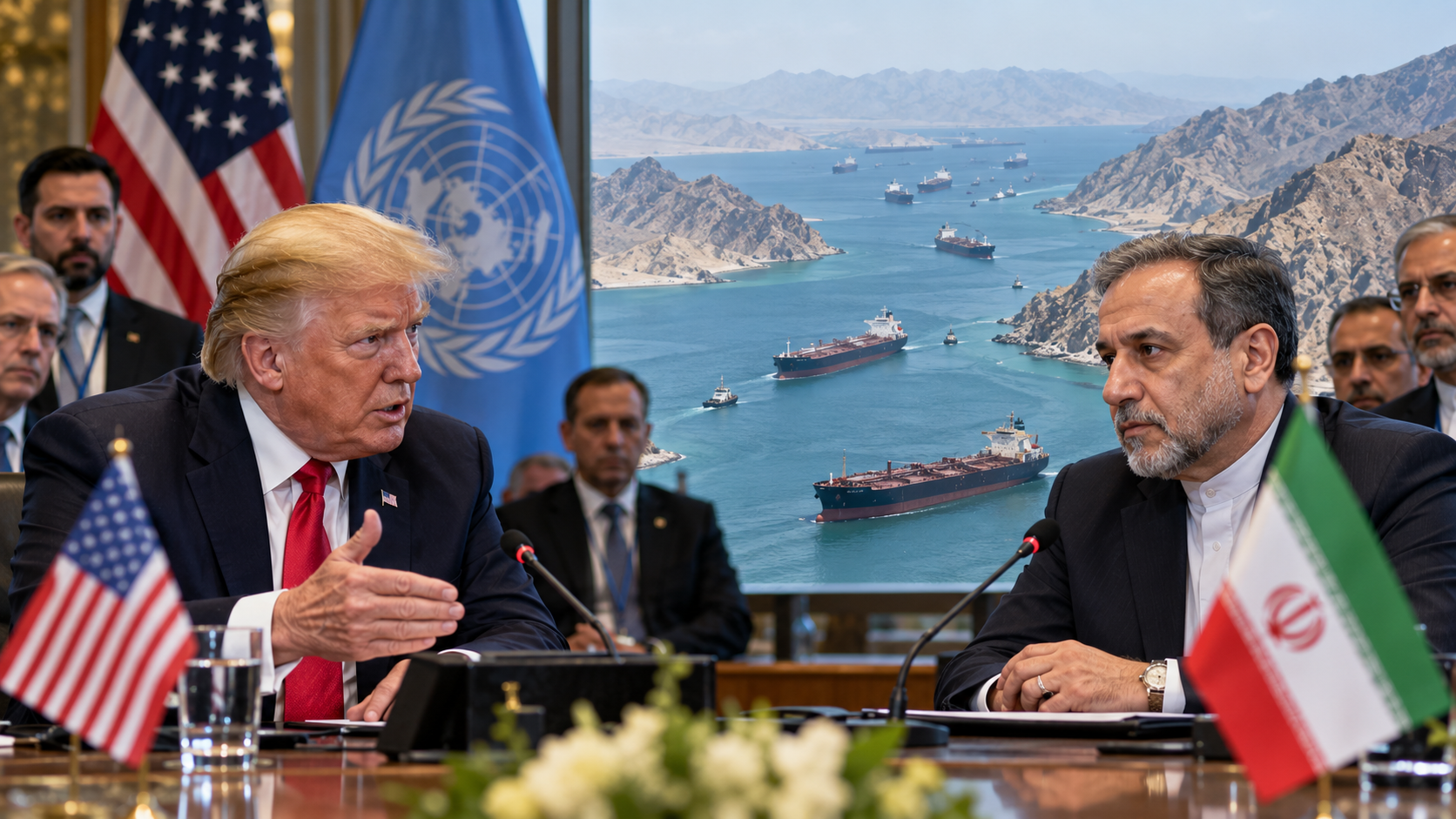
Trump told reporters on September 26 that he had rejected Tehran’s proposal, which Iranian officials said could restore normal maritime passage through the strategic waterway within seven days if Washington met specified conditions.
Iranian Foreign Minister Abbas Araghchi said Tehran had conveyed a concrete seven-day roadmap to the United States through mediators.
Under the proposal, Iran said the Strait of Hormuz could be reopened for normal commercial shipping after the necessary steps were taken. The plan was linked to broader measures intended to halt hostilities and create conditions for renewed negotiations.
Iran’s conditions included an end to the US naval blockade of Iranian ports, relief from sanctions affecting Iranian oil exports, access to frozen Iranian assets and a ceasefire covering the wider regional conflict.
Araghchi presented the proposal during diplomatic engagements around the United Nations General Assembly in New York.
Trump said he rejected the Iranian offer, arguing that Tehran was seeking an agreement to reopen the waterway because of the economic pressure created by restrictions on Iranian oil exports and maritime activity.
The US president also said he remained open to a deal in principle, but considered the Iranian proposal unacceptable.
The White House has previously said that US forces control the Strait of Hormuz and that Washington's maritime measures are intended to restrict Iran's ability to generate revenue while maintaining the movement of energy through the region.
Despite Trump's public rejection, Iranian officials have indicated that Tehran is awaiting a formal position through the mediators involved in the discussions.
Araghchi said Iran's conditions remained clear and that reopening the Strait of Hormuz would depend on those conditions being met. He also reiterated that Tehran considers negotiations the route toward resolving the confrontation.
Iranian President Masoud Pezeshkian has similarly said that the dispute can be addressed through negotiations, while maintaining that Tehran does not currently trust Washington because previous diplomatic efforts were followed by military action and sanctions.
The Strait of Hormuz is one of the world's most important energy shipping routes, connecting the Persian Gulf with the Gulf of Oman and the wider Indian Ocean.
Restrictions on shipping through the waterway have therefore affected energy markets, maritime trade and regional economies. The dispute has also increased concerns about the security of commercial vessels and the reliability of global energy supplies.
US-Iranian tensions have been accompanied by wider regional fighting, including attacks involving Iran and its regional allies. Diplomatic efforts have continued alongside military and economic pressure.
The latest development follows several rounds of indirect contacts between Washington and Tehran, including discussions involving mediators and US envoy Steve Witkoff.
Reuters reported that negotiators had been examining a phased arrangement involving the reopening of the Strait of Hormuz and changes to US economic restrictions. However, Trump's public rejection of Iran's latest proposal has complicated the immediate prospects for such an arrangement.
For now, Tehran says the diplomatic channel remains available, while Washington continues to demand terms that Iran has not accepted.
The situation leaves the future of the Strait of Hormuz, regional hostilities and US-Iran negotiations closely linked to the next diplomatic moves by both sides.
Comments
0 comments
Loading comments...