Finance Minister Swarnim Wagle says Nepal wants to reset relations with India by expanding trade, connectivity, energy cooperation and reconstruction while addressing disputes through dialogue.
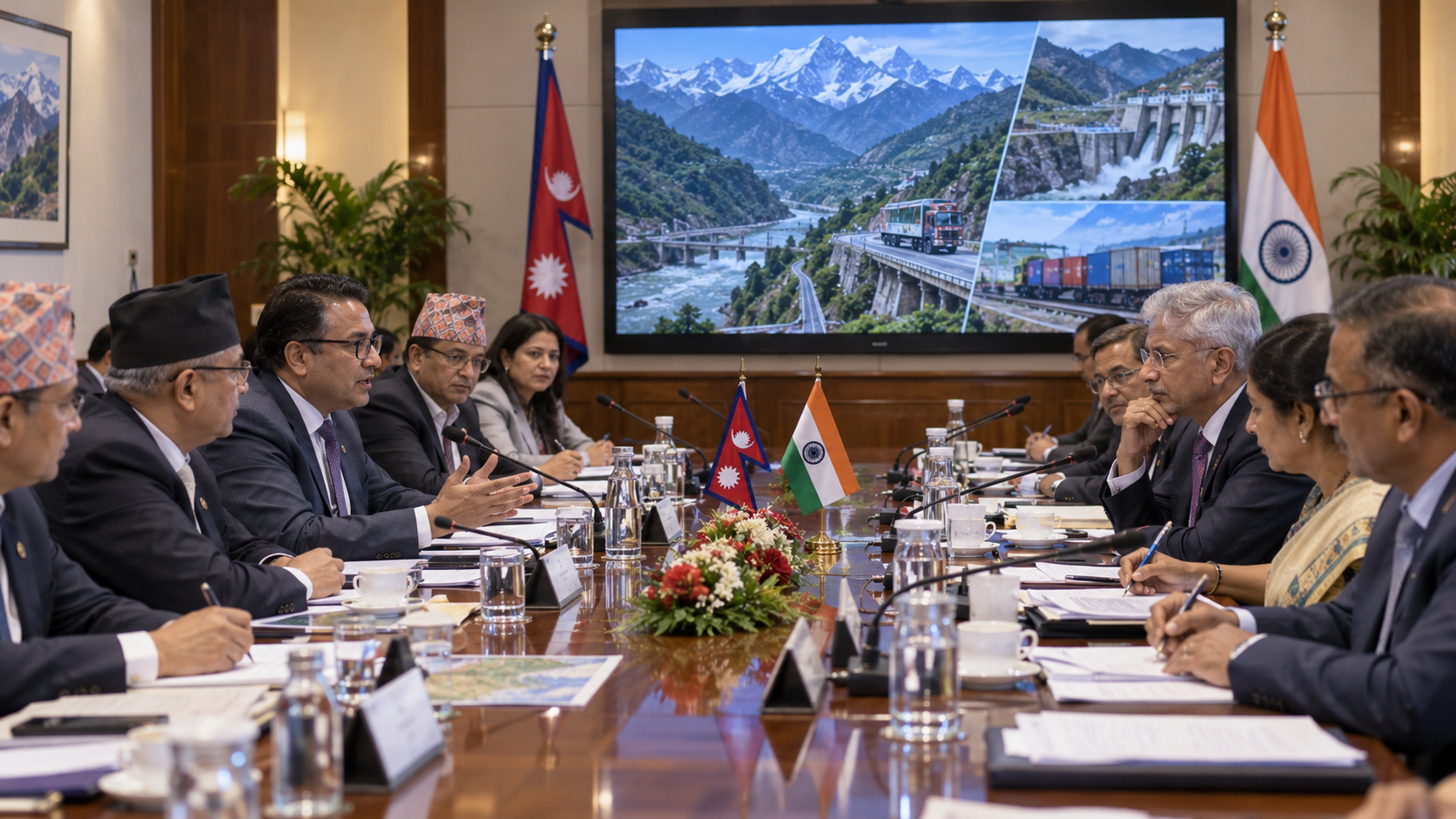
Wagle made the remarks in an interview with The Hindu following his three-day visit to New Delhi, where he met Indian officials and discussed reconstruction and broader economic cooperation.
He said the Balendra Shah-led government wants to move away from what he described as an older form of nationalist rhetoric and concentrate on practical economic opportunities with Nepal’s southern neighbour.
Wagle identified several areas where Kathmandu wants progress, including air connectivity, rail links, integrated checkposts, roads connecting Nepali border towns with the Indian hinterland and an updated Nepal-India trade treaty.
He said he had raised the trade treaty with Indian External Affairs Minister S. Jaishankar and Finance Minister Nirmala Sitharaman during his New Delhi visit.
The finance minister also linked stronger connectivity with Nepal’s ambition to participate more deeply in regional supply chains.
The comments follow recent discussions between the two countries on trade, investment, energy and connectivity, as well as India’s possible support for rebuilding infrastructure damaged by the August floods.
Wagle said a reset in relations would not mean abandoning contentious issues.
The boundary dispute with India, he said, would continue to be raised but should be handled through diplomatic negotiations rather than allowed to dominate the wider relationship.
His comments indicate that the government's stated approach is to separate disagreements on individual issues from broader economic and diplomatic engagement.
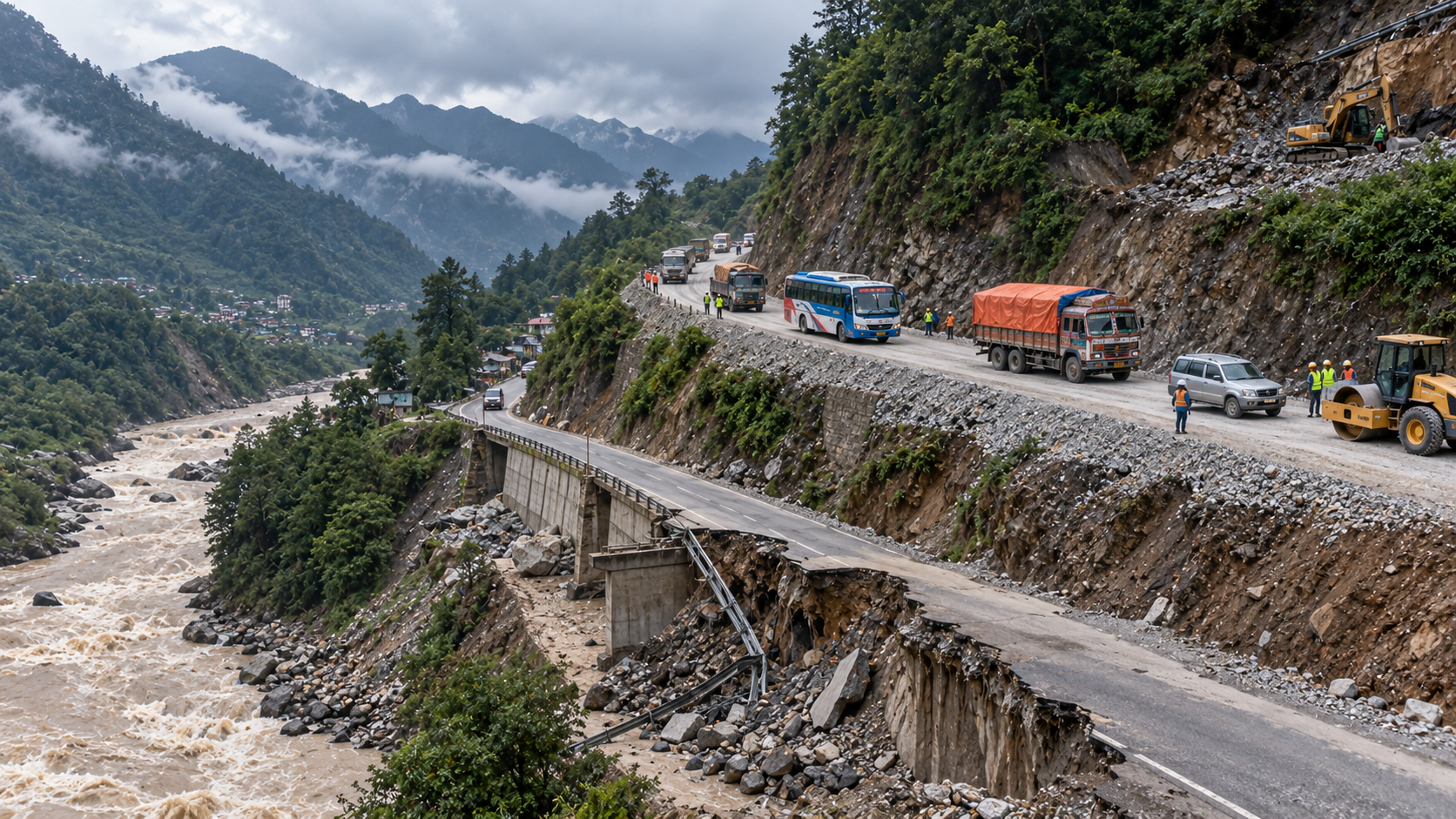
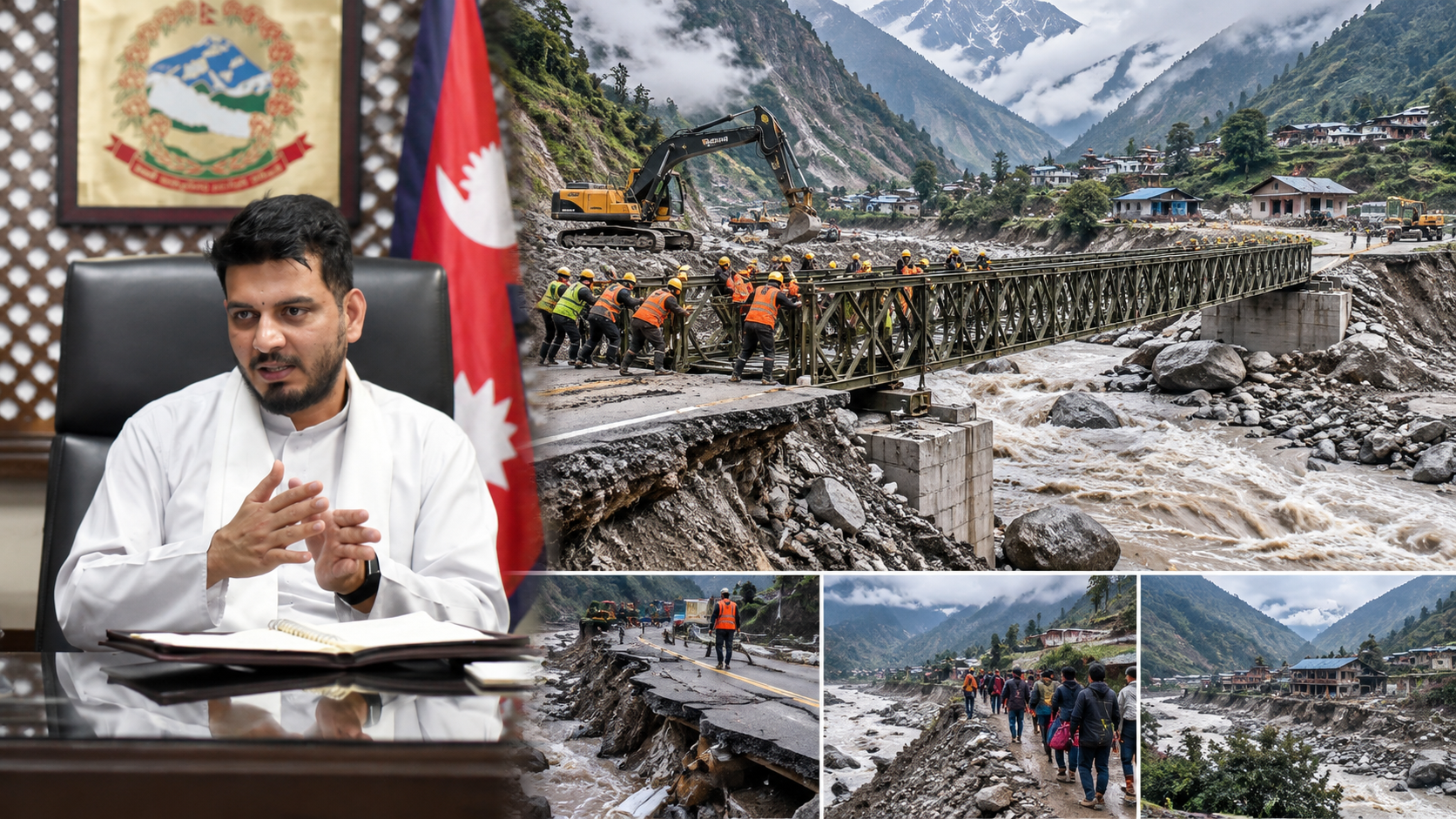
The finance minister's visit came as Nepal assesses the economic damage from the August 26 Bhotekoshi floods.
During his meeting with Sitharaman, Wagle sought Indian support for reconstruction along the affected corridor. According to The Kathmandu Post, Sitharaman assured Nepal of India's possible assistance during the rebuilding phase.
Nepal is conducting a post-disaster needs assessment, with the government estimating that rebuilding damaged infrastructure will require substantial international support.
Wagle also referred to India's assistance following the 2015 earthquake and said Nepal expects substantial support for the current reconstruction effort.
Energy is another important part of the relationship.
Wagle acknowledged India's concerns about Chinese involvement in Nepali energy projects and said Nepal would have to operate within what he described as a changing geopolitical environment.
According to Wagle, India's position is particularly relevant to projects involving Chinese participation from which India could potentially purchase electricity. He said the clearer understanding of India's position would allow Nepal to plan projects accordingly.
Nepal has simultaneously continued to pursue energy cooperation with both neighbours, making the management of investment sources and electricity markets an important part of its economic diplomacy.
Wagle also discussed perceptions surrounding China's economic role in Nepal.
He argued that the scale of Chinese financing in Nepal is smaller than some regional perceptions suggest. He cited Chinese involvement in tourism, telecommunications and selected infrastructure projects while distinguishing those activities from large-scale financing of flagship Nepali projects.
He also discussed the financing of Pokhara International Airport, noting differing descriptions of its relationship with China's Belt and Road Initiative.
These figures and characterisations are Wagle's assessment rather than an independent accounting of all Chinese economic involvement in Nepal.
Air connectivity was another issue raised during the interview.
Nepal has sought additional international air routes for Bhairahawa and Pokhara airports. Wagle said a bilateral mechanism dealing with the issue had been reactivated and was expected to meet with defence officials included in the process.
He argued that improved air access could reduce flight times and potentially support tourism and trade.
Whether additional routes will ultimately be approved depends on bilateral negotiations and aviation and security considerations.
Wagle's visit to India was his first foreign trip as finance minister. His programme included meetings with Sitharaman and Jaishankar, a diplomatic dialogue and engagements with Indian business and academic communities.
Nepal News reported that the three-day visit focused on strengthening bilateral economic cooperation, investment, energy and connectivity.
The visit followed earlier discussions between Nepal and India on post-flood reconstruction and the acceleration of bilateral development projects.
Wagle's comments point to an approach in which Nepal seeks closer economic integration with India without removing longstanding disputes from the bilateral agenda.
Trade arrangements, border questions, air routes, energy investment and reconstruction assistance remain separate issues requiring negotiations and policy decisions.
For Nepal, the immediate challenge will be translating the government's stated intention of a reset into concrete agreements while maintaining its broader relationships with India, China and other development partners.
Comments
0 comments
Loading comments...