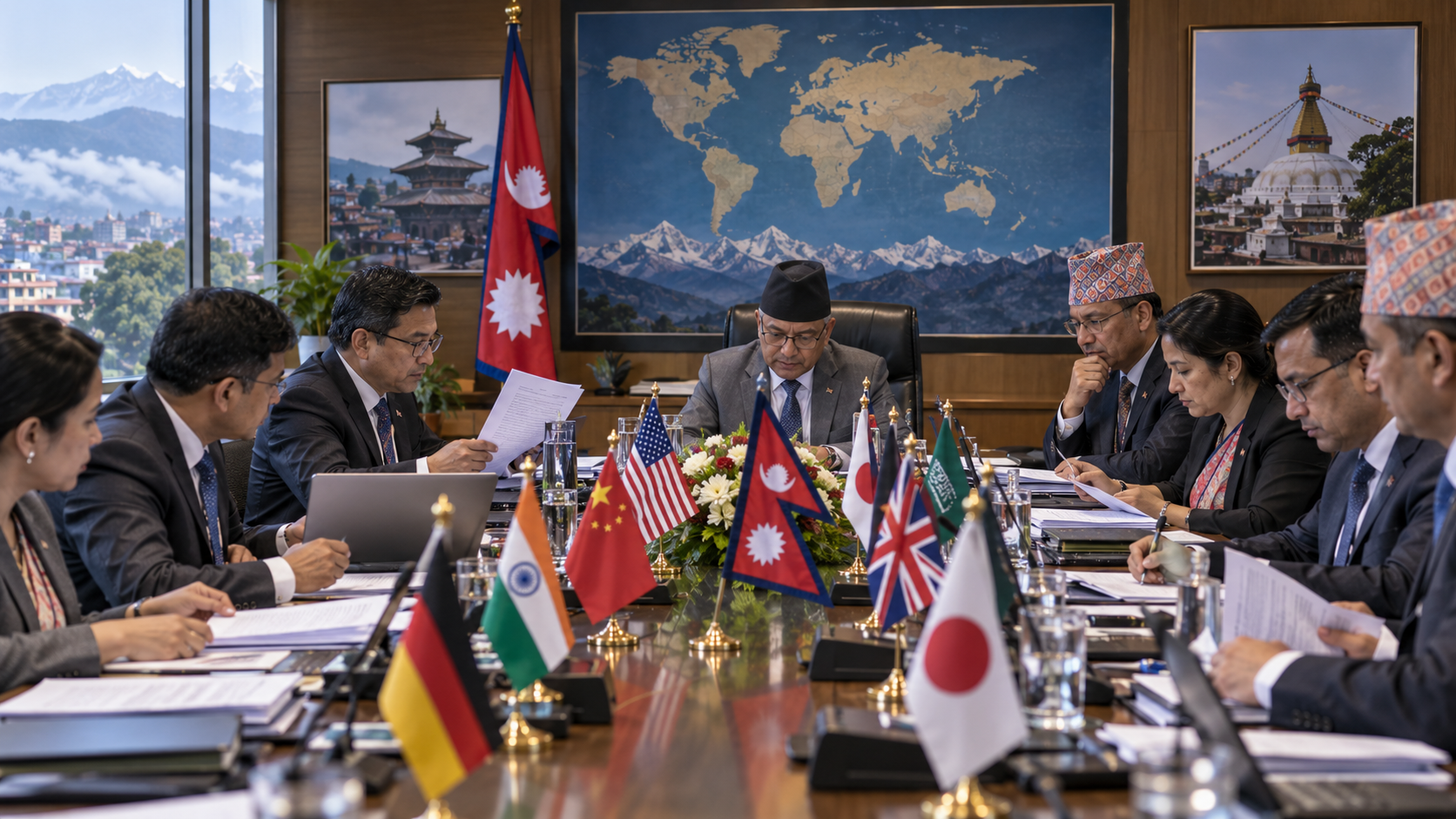
Nepal Prime Minister Balendra Shah is addressing the UN General Assembly as the country faces a massive flood recovery challenge, with reconstruction needs estimated at $4.78 billion.
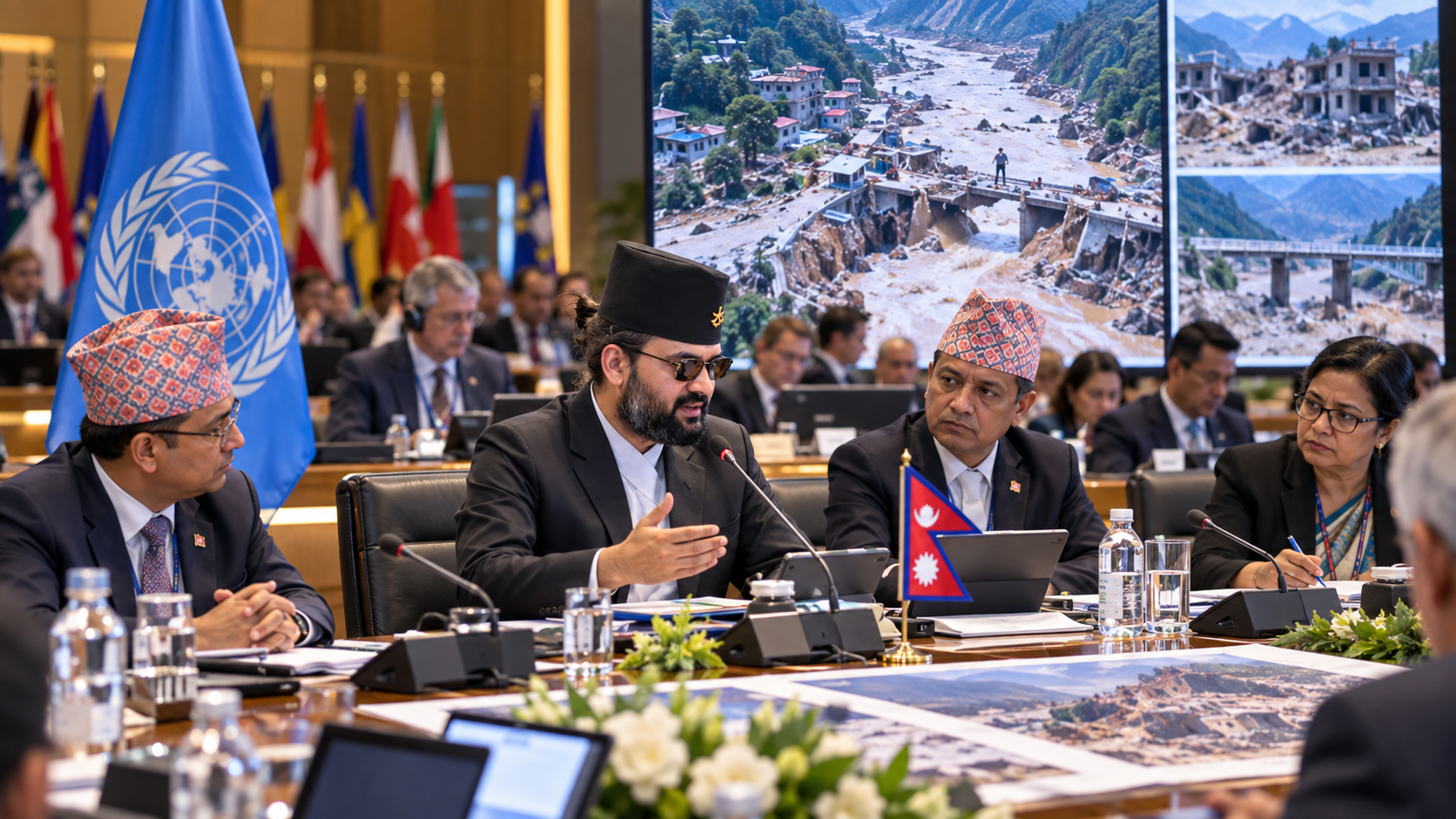
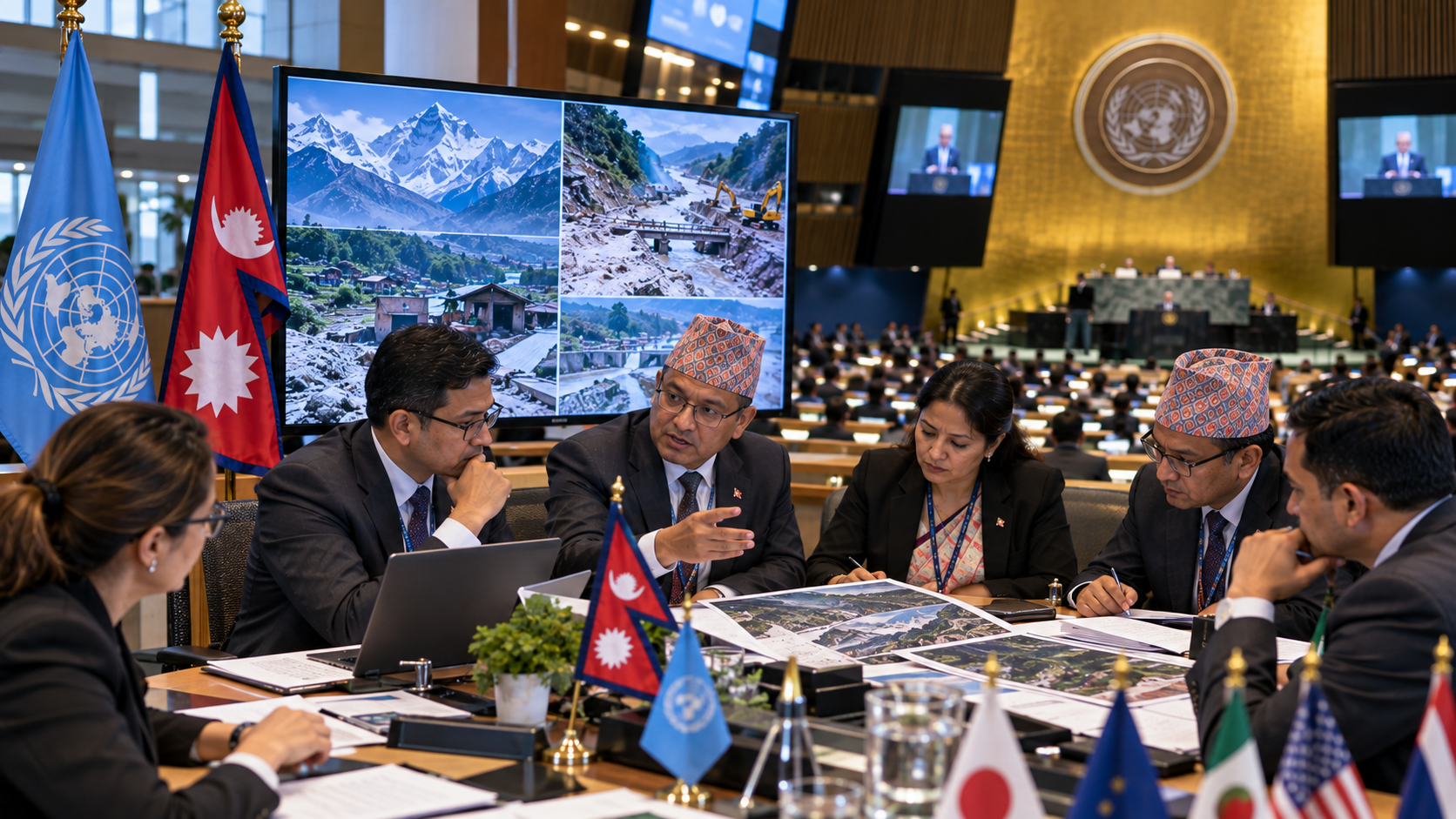
Nepal Prime Minister Balendra Shah is taking the country’s devastating August flood disaster to the United Nations General Assembly, where he is expected to highlight the scale of the destruction and seek greater international support for recovery and climate resilience.
Shah is scheduled to address the 81st session of the UN General Assembly in New York on September 24. The visit is his first foreign trip since taking office in March and comes less than a month after the Bhotekoshi–Trishuli flood disaster struck areas near Nepal’s northern border.
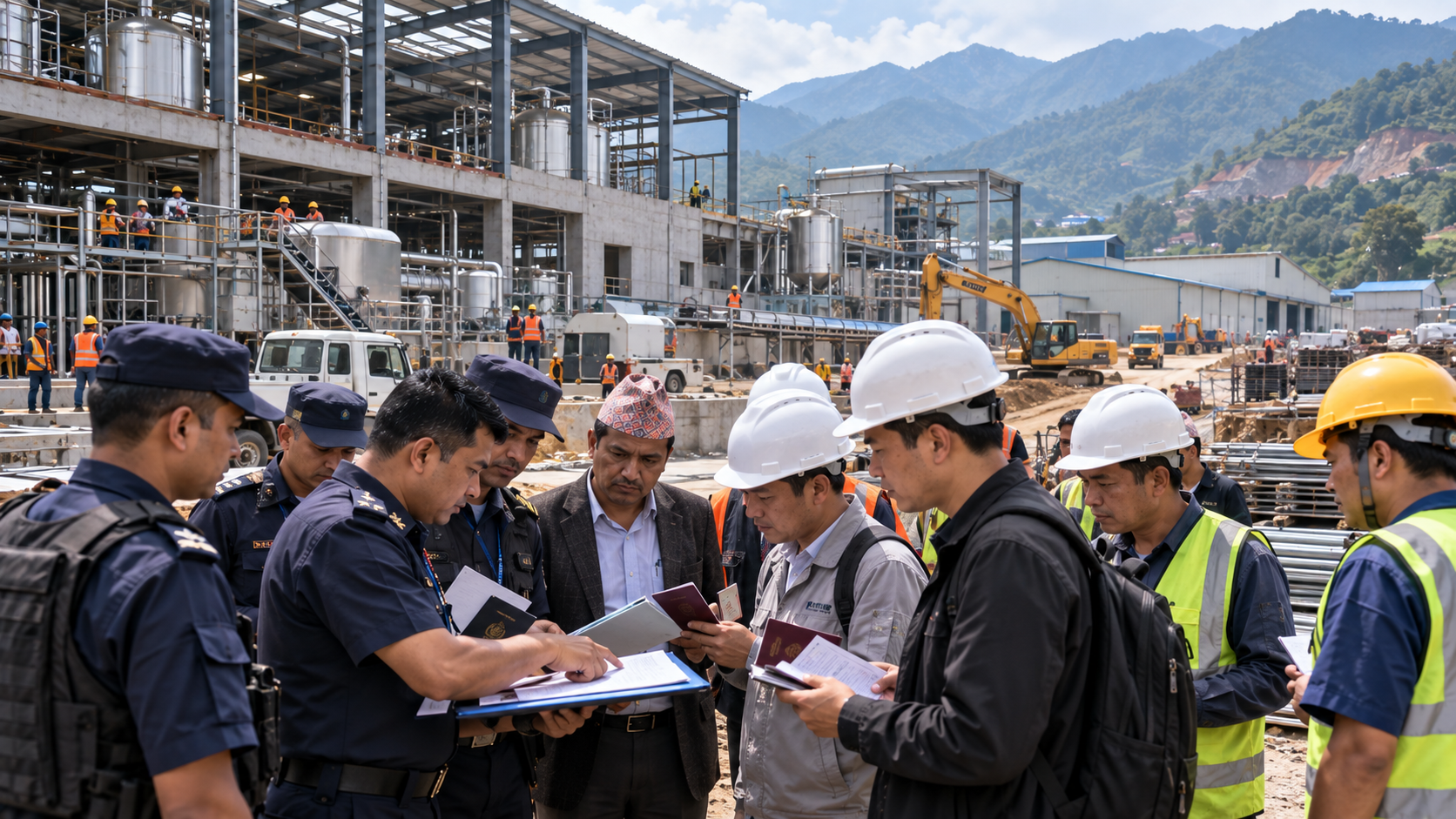
The August 26 disaster caused extensive destruction across parts of Nepal, sweeping away homes, roads and bridges and damaging hydropower infrastructure. Thousands of people remain unaccounted for as search and recovery operations continue.
Recent reports have placed the combined death toll from the disaster in Nepal and China’s Tibet region at more than 1,400, while more than 6,000 people remain missing. The figures continue to change as authorities recover bodies and update records.
For Nepal’s government, the disaster has added an urgent recovery and reconstruction challenge to its existing political and economic agenda.
Nepal’s Ministry of Foreign Affairs has estimated that approximately $4.78 billion will be required for recovery and reconstruction following the disaster.
Of that amount, about $57.67 million has been estimated for short-term recovery and reconstruction during the first six months, while roughly $4.71 billion is expected to be needed for longer-term reconstruction.
The assessment covers the broader rebuilding requirement following damage to infrastructure, communities and economic activity in the affected areas.
The flood has also strengthened Nepal’s focus on climate diplomacy.
Shah has argued that Nepal, despite contributing only a small share of global greenhouse-gas emissions, is highly exposed to the consequences of a changing climate. His government has indicated that the UN platform will be used to draw international attention to climate-related disasters and Nepal’s need for support.
The government is also seeking greater attention to the particular vulnerability of mountainous countries, where changing conditions in glaciers, snow and high-altitude ecosystems can create risks for downstream communities.
Scientists and authorities continue to examine the precise causes and mechanisms behind the August disaster. While the broader Himalayan region is experiencing significant climate-related changes, the contribution of climate change to any individual disaster requires careful scientific assessment.
Beyond immediate relief, Nepal faces the more difficult task of rebuilding damaged infrastructure while reducing exposure to future disasters.
Roads, bridges, hydropower facilities and settlements in vulnerable river corridors will require reconstruction. The scale of the damage also raises questions about early-warning systems, disaster preparedness, land-use planning and the resilience of critical infrastructure.
Shah’s appearance at the UN therefore comes at a point when Nepal is seeking both immediate international support and longer-term cooperation on climate adaptation and disaster resilience.
The government’s challenge will be to translate international attention into practical assistance for affected communities and sustainable reconstruction at home.
As Nepal presents its case at the UN General Assembly, the flood disaster is placing climate risk, reconstruction financing and Himalayan resilience prominently on the country’s international agenda.
Comments
0 comments
Loading comments...