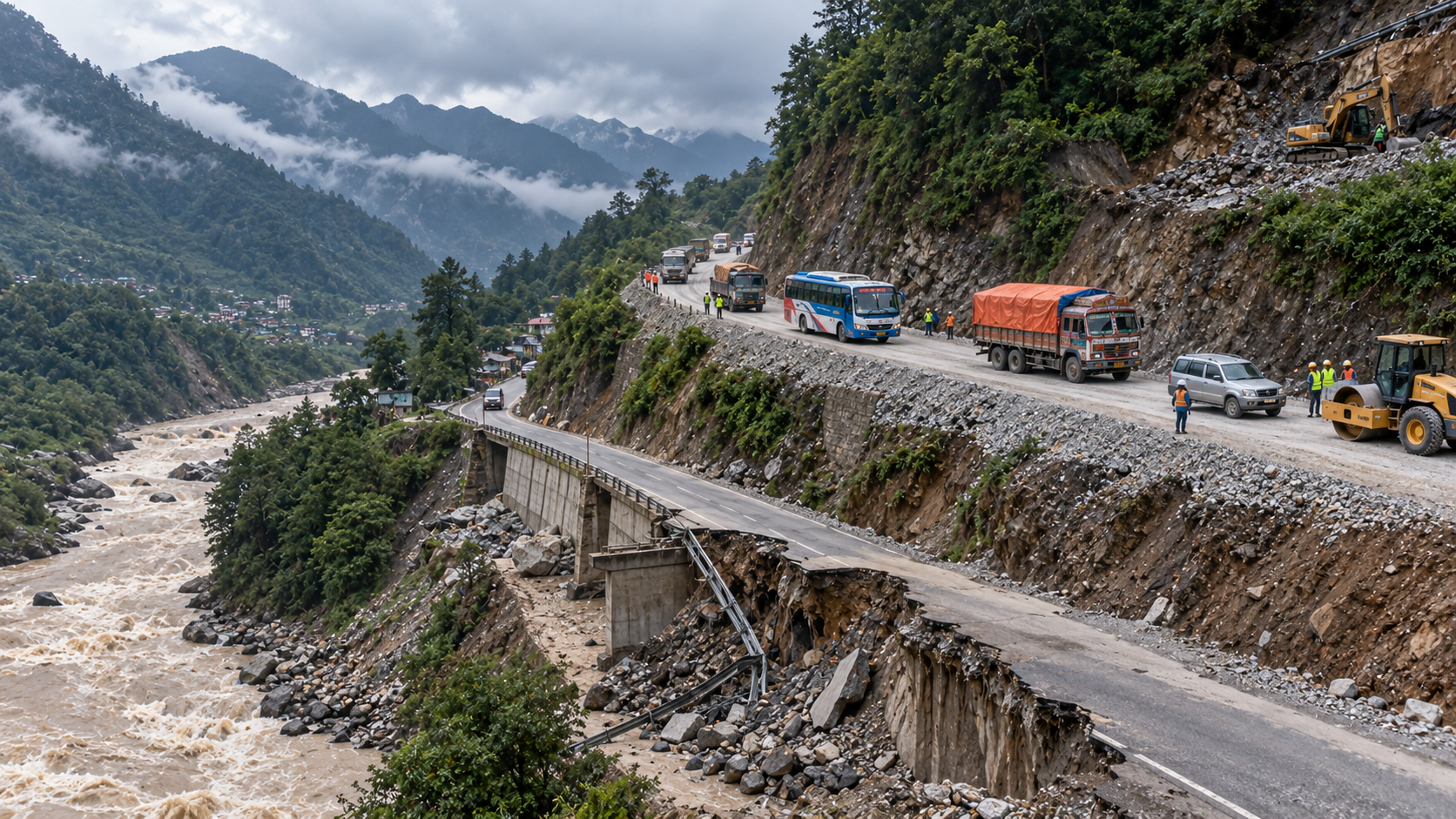
Nepal’s devastating Bhotekoshi flood has entered its 12th day, with search and rescue teams continuing to comb through damaged settlements, riverbanks and hydropower tunnels while thousands of people remain unaccounted for.
According to the latest update from the National Disaster Risk Reduction and Management Authority (NDRRMA), 1,341 bodies have been recovered, 13,104 people have been rescued and 4,996 people remain missing. The disaster has also left 6,075 people injured, while 98 identified bodies have so far been handed over to their families.
The preliminary estimate of total damage has reached Rs 387.54 billion, although authorities say the figure will be revised as detailed assessments continue.
Despite the growing death toll, rescue teams have delivered several remarkable breakthroughs.
Four people have been rescued alive during the past three days, including two Nepali workers from the Upper Trishuli 3A tunnel, a Chinese national from Upper Trishuli 1, and a 64-year-old Nepali woman rescued from a house in Betravati.
The discoveries have renewed hope among families whose relatives have remained missing since the disaster struck on August 26.
Search operations are continuing at several hydropower projects in Rasuwa, including Rasuwagadhi, Upper Trishuli 3A, Upper Trishuli 3B, Chilime and Upper Trishuli 1.
At Chilime Hydropower Project, authorities believe people may still be trapped inside the facility. Rescue teams have struggled to take heavy equipment to the site because roads leading to the tunnel have been destroyed.
The Nepali Army has therefore used helicopters to transport equipment, including an excavator, to help clear mud and debris from the tunnel.
At Rasuwagadhi Hydropower Project, 93 employees and workers had remained out of contact even after 11 days, with rescue teams facing extensive mud, damaged structures and difficult terrain.
As the number of recovered bodies continues to rise, authorities have accelerated efforts to identify victims.
In Bardiya, police collected DNA samples from 55 relatives of people reported missing after the Bhotekoshi disaster. Officials said samples were collected from parents or children of missing individuals to assist the identification process.
Forensic teams are also working to identify remains recovered from different parts of the flood-affected river system.
At Tribhuvan University Teaching Hospital, 244 bodies had been brought for forensic processing, with 161 temporarily managed and 24 already identified and handed over to families.
Authorities have expanded the search downstream as debris and human remains continue to be discovered far from the original disaster zone.
In Gorkha, more than 250 police personnel have been deployed along the Trishuli River, with tracking dogs brought from Pokhara to assist in locating bodies along riverbanks and sandy stretches.
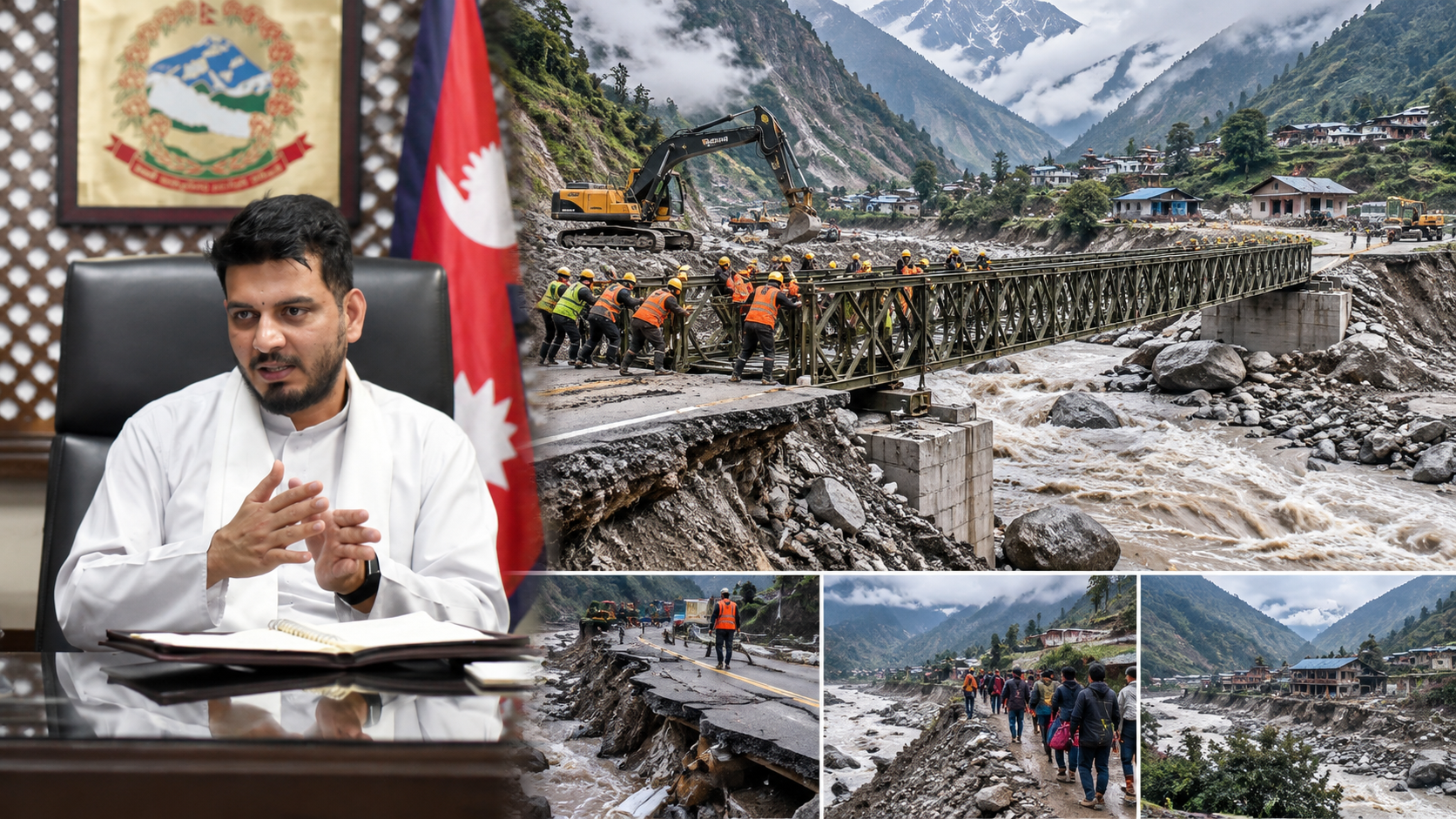
Meanwhile, the government continues to restore connectivity in areas cut off by destroyed bridges and roads.
The Nepali Army is constructing a 60-metre-long Bailey bridge over the Tadi River in Nuwakot, with a stated load capacity of 50 tonnes, to improve access to affected communities.
The disaster has also caused substantial damage to Nepal's agricultural sector.
Preliminary assessments show that approximately 1,806 hectares of agricultural land have been damaged, with an estimated reduction of around 7,686 metric tonnes of food production. Authorities stressed that these figures remain preliminary.
The Animal Services Department has also recorded major livestock losses, including approximately 116,539 chickens, 3,340 goats, 1,583 pigs and 1,640 cattle and buffaloes.
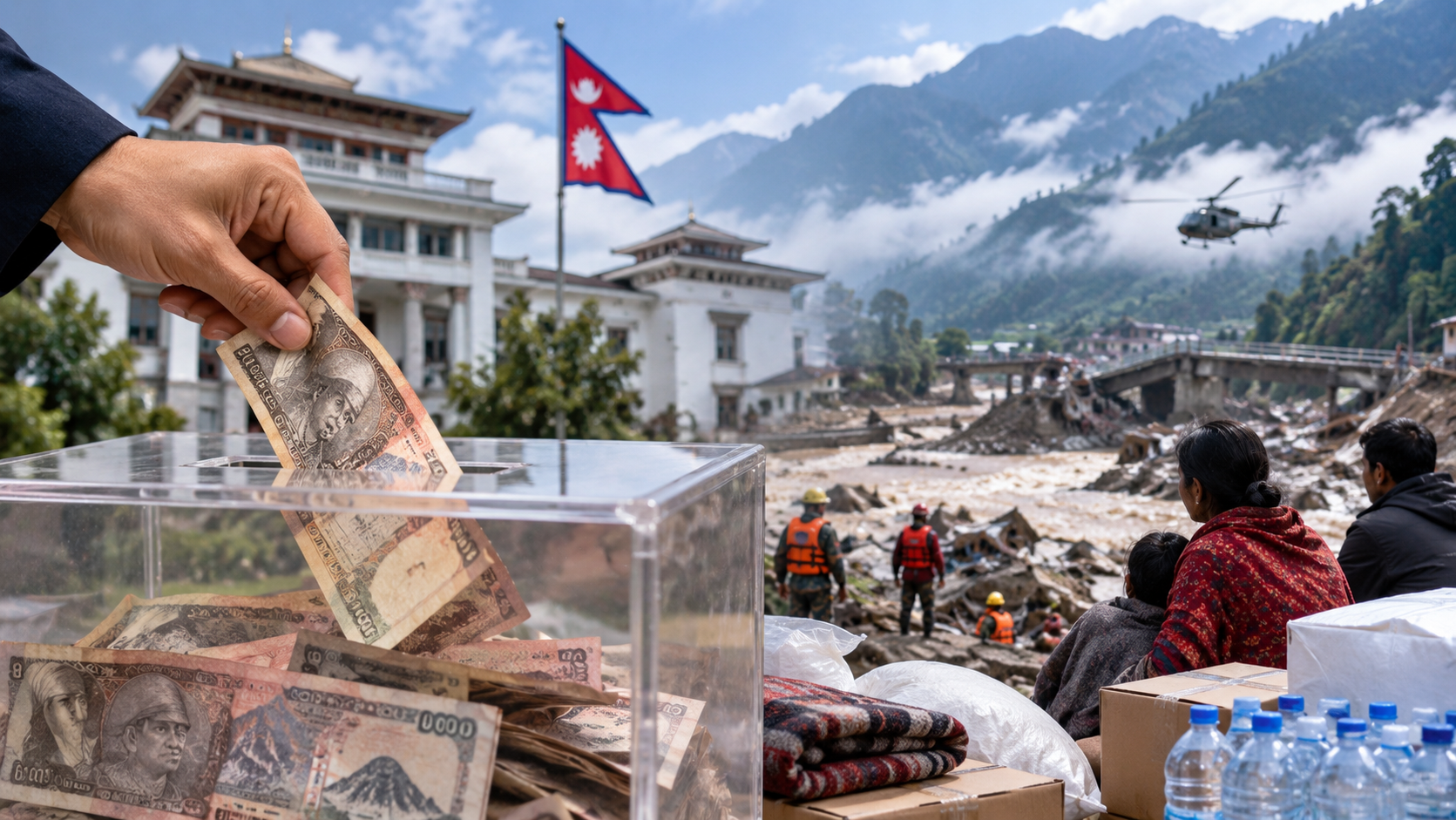
The government's relief funds have received more than Rs 11.05 billion, according to the Office of the Prime Minister and Council of Ministers.
The government has already released Rs 1 billion for flood-affected areas, while additional contributions have been deposited through commercial banks and designated foreign-currency accounts.
The government is continuing to operate a single-channel system for relief contributions and distribution.
With floodwaters, damaged infrastructure and displaced communities creating difficult sanitary conditions, authorities are also preparing for possible disease outbreaks.
With the risk of cholera increasing in Rasuwa, 21,000 doses of cholera vaccine were transported to the district with support from the World Health Organization.
The Bhotekoshi disaster has now entered its second week, but rescue teams have not stopped searching.
The recent survival of people trapped for many days—in hydropower tunnels as well as collapsed structures—has demonstrated why authorities continue to search even the most difficult locations.
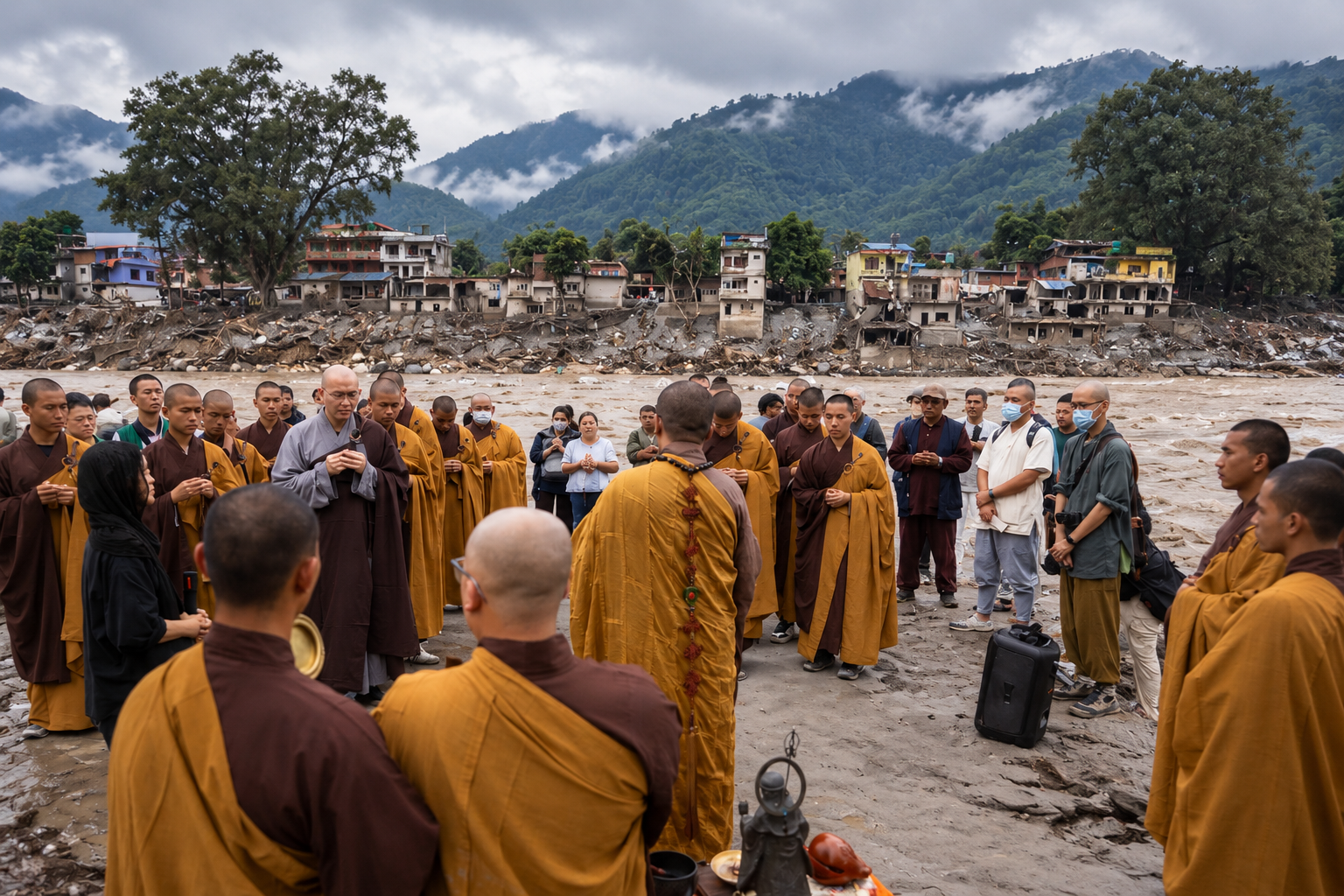
At the same time, families across Nepal are facing the painful reality of missing loved ones, unidentified remains and destroyed homes and livelihoods.
As rescue operations continue into the 12th day, Nepal is moving simultaneously into a new phase of identification, relief, rehabilitation and reconstruction.
HamroBichar will continue to follow the Bhotekoshi disaster, rescue operations, victim identification and the long-term recovery of affected communities.
Tags: Bhotekoshi Flood, Nepal Flood, Rasuwa, Nuwakot, Trishuli River, Hydropower Rescue, Disaster 2026, Search and Rescue, Nepal Army, HamroBichar
Comments
0 comments
Loading comments...