Former President Bidya Devi Bhandari has returned to the CPN-UML’s senior leadership as the party debates organisational reform, leadership transition and its future direction.
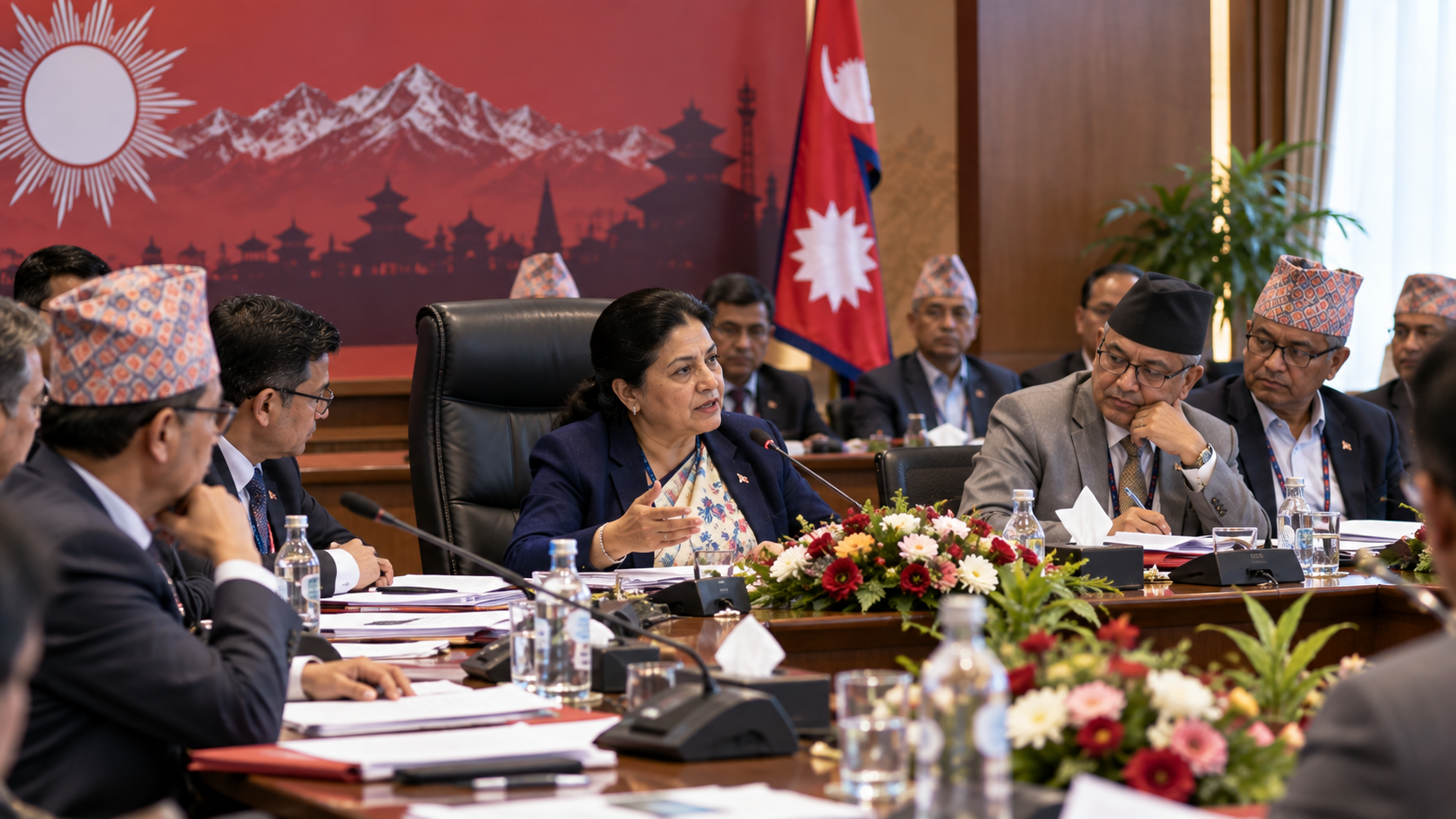
Former President Bidya Devi Bhandari has formally returned to the senior leadership structure of the CPN-UML, marking a significant development in the party’s ongoing organisational and leadership discussions.
The UML Central Committee on Thursday nominated Bhandari as a senior leader after the party Secretariat proposed her inclusion. The decision places her in the senior leadership hierarchy alongside Chairman KP Sharma Oli and formally restores her role in the party after years away from active partisan politics.
The decision comes as the UML continues to examine its organisational structure following its poor performance in the March 2026 election and amid an internal debate over leadership and party reform.
Bhandari stepped away from active party politics after becoming Nepal’s president in 2015. She served two consecutive terms as head of state before leaving office in 2023.
Her return to the UML had been under discussion for several years. After completing her presidential tenure, Bhandari repeatedly indicated that she intended to continue her political career within the UML.
The question became contentious when the party initially declined to renew her membership. The dispute became one of the sources of tension inside the UML and was later identified in a party review as contributing to internal divisions.
The UML subsequently opened the way for her membership to be renewed as part of its post-election organisational review.
Bhandari’s return has unfolded against a complicated relationship with UML Chairman KP Sharma Oli.
The two leaders have exchanged political criticism in recent years, particularly over Bhandari’s return to active party politics and the direction of the UML.
The relationship showed signs of change earlier this month when Oli held a lengthy meeting with Bhandari at her residence. According to people familiar with the discussion cited by OnlineKhabar, the conversation focused primarily on UML’s internal situation, with Bhandari urging greater unity within the party.
Her appointment as senior leader now gives Bhandari a formal position within the party’s current leadership structure.
Bhandari’s return comes at a time when the UML is conducting a broader review of its organisation and leadership.
A party task force examining the reasons behind the UML’s election defeat identified internal divisions, factionalism and the dispute surrounding Bhandari’s membership among factors affecting the party. The report also pointed to concerns about candidate selection, organisational discipline and the party’s response to changing public expectations.
The leadership question has become particularly important after senior UML leaders began calling for organisational changes following the election.
Oli, who was re-elected UML chair at the party’s 11th General Convention, has argued that leadership transition should follow established party procedures and institutional decisions rather than take place through an immediate restructuring.
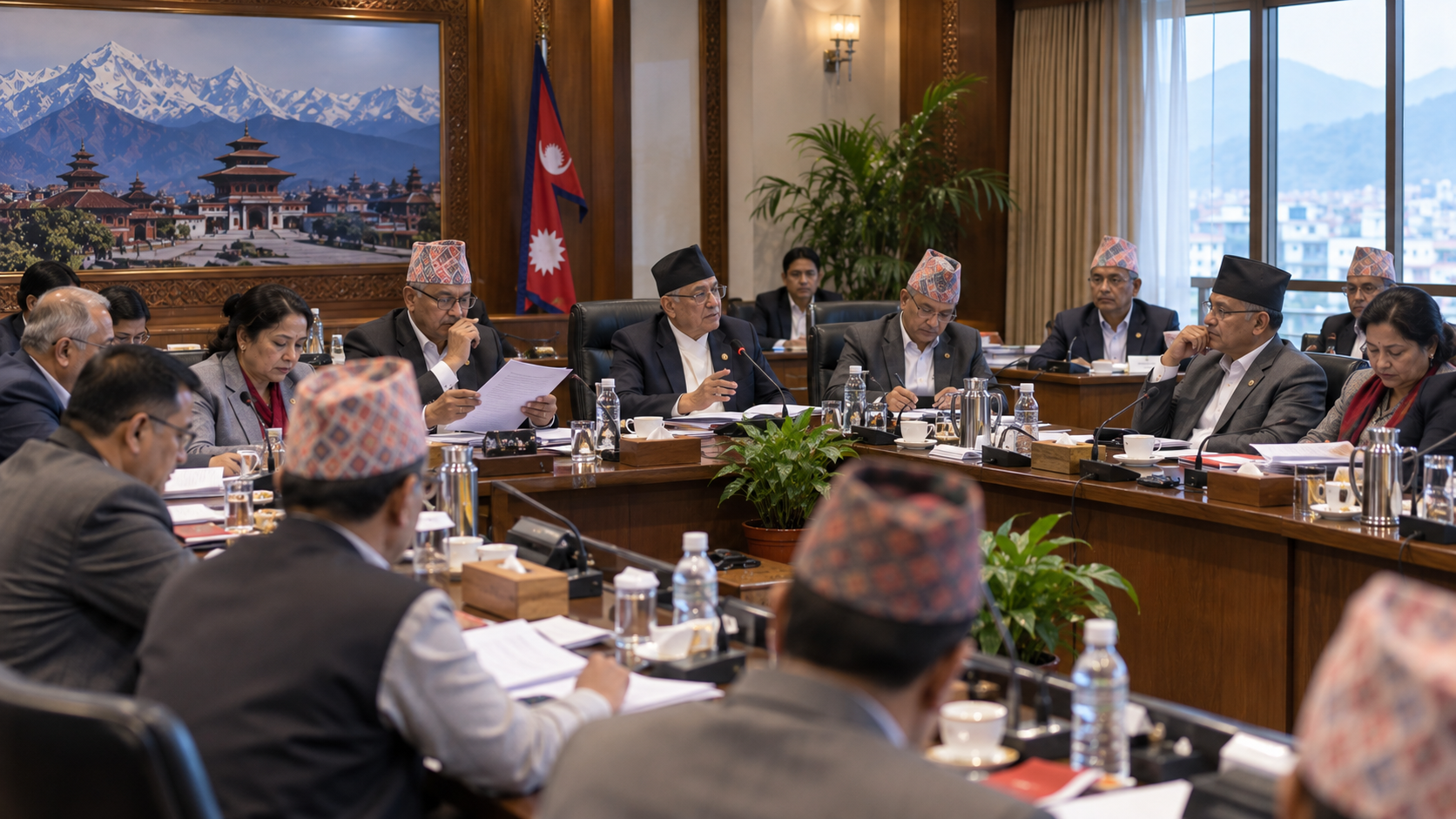
The Central Committee recently endorsed Oli’s political report while also making changes to the party’s leadership and organisational structure.
Bhandari has previously acknowledged that becoming UML chair was a possibility she had not ruled out. She has also argued that leadership change is a normal part of democratic politics.
At the UML’s most recent general convention, Ishwar Pokhrel contested the chairperson election with backing from the Bhandari camp, while Oli retained the chairmanship.
Her return as senior leader does not by itself establish that she will seek the party chairperson position. It does, however, give her a formal place in the UML’s senior leadership at a time when the party is discussing its future organisational direction.
Bhandari’s political comeback has also renewed debate over the relationship between Nepal’s presidency and active party politics.
Political analyst Sanjeev Pokharel has questioned whether a person who has served as the country’s head of state should subsequently return to active partisan politics, arguing that the nature of Nepal’s largely ceremonial presidency differs from executive presidential systems elsewhere.
Bhandari’s supporters have taken a different view, maintaining that she has remained a UML member throughout her political career and that returning to party politics after completing her presidential tenure is consistent with her political background.
The debate therefore extends beyond Bhandari herself to questions about political conventions surrounding former heads of state in Nepal.
Bhandari’s return also comes as the UML and other left-oriented political forces explore possible cooperation.
The UML and the Nepali Communist Party have held discussions in recent months, with senior leaders exploring renewed cooperation and possible future political arrangements.
Against this backdrop, Bhandari’s renewed position inside the UML could become relevant to conversations about the party’s internal organisation as well as broader developments on Nepal’s left.
For now, the immediate institutional change is clear: the former president has returned to the UML’s senior leadership. Her longer-term political role will depend on future party decisions, internal dynamics and the direction of Nepal’s changing political landscape.
Comments
0 comments
Loading comments...
