Biratnagar’s once-thriving industrial corridor is under pressure from weak demand, higher production costs and cross-border competition, but new cargo rail links offer a potential boost.
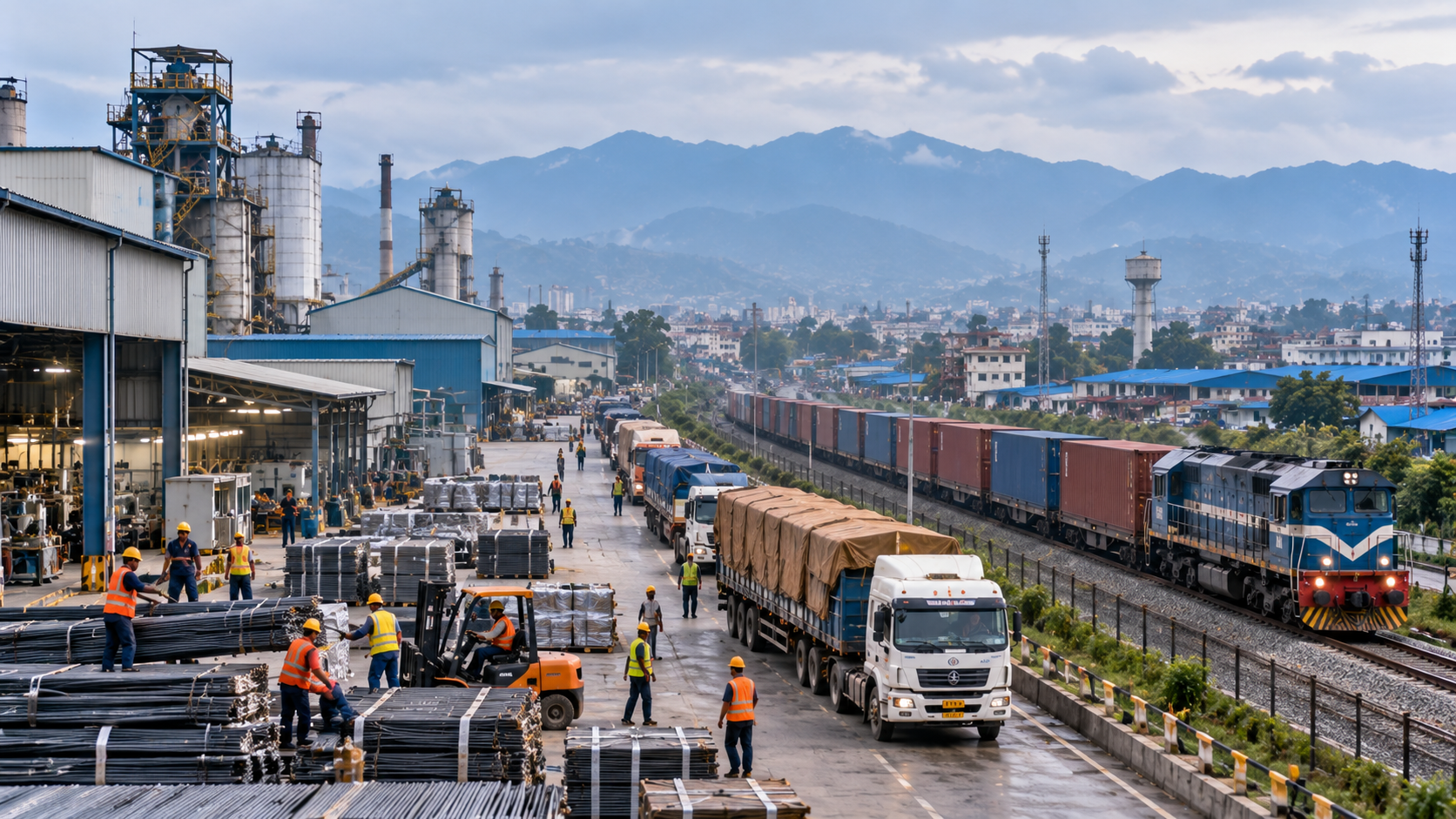
Biratnagar has long been associated with Nepal’s industrial development. The Sunsari-Morang Industrial Corridor once supported hundreds of factories and tens of thousands of direct jobs, with jute, textiles, plastics, steel and other manufacturing industries helping establish the eastern city as a major commercial centre.
That industrial momentum has weakened.
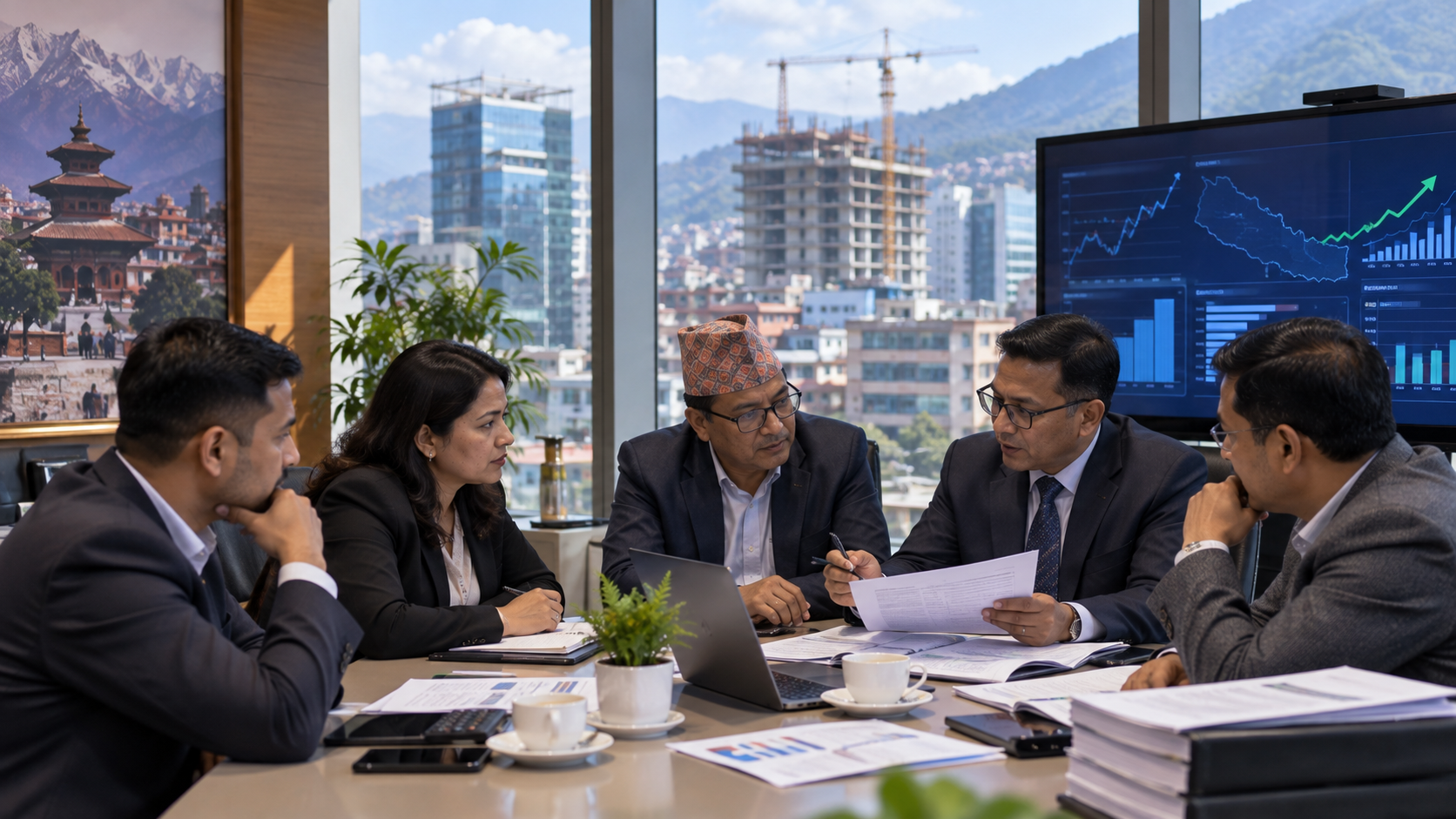
Factories in and around Biratnagar are dealing with softer market demand, higher input and transportation costs, competition from Indian goods and limited new investment. Some businesses have reduced production, while others are concentrating on keeping existing operations running rather than expanding.
Industrial businesses say declining demand has become one of their biggest challenges. Lower sales have affected production levels, revenues and employment, while the cost of operating factories has increased.
Raw-material prices, financing costs and transportation expenses have added pressure on manufacturers. Businesses also face competition from products entering Nepal from the Indian market, making it more difficult for domestic producers to maintain their market share.
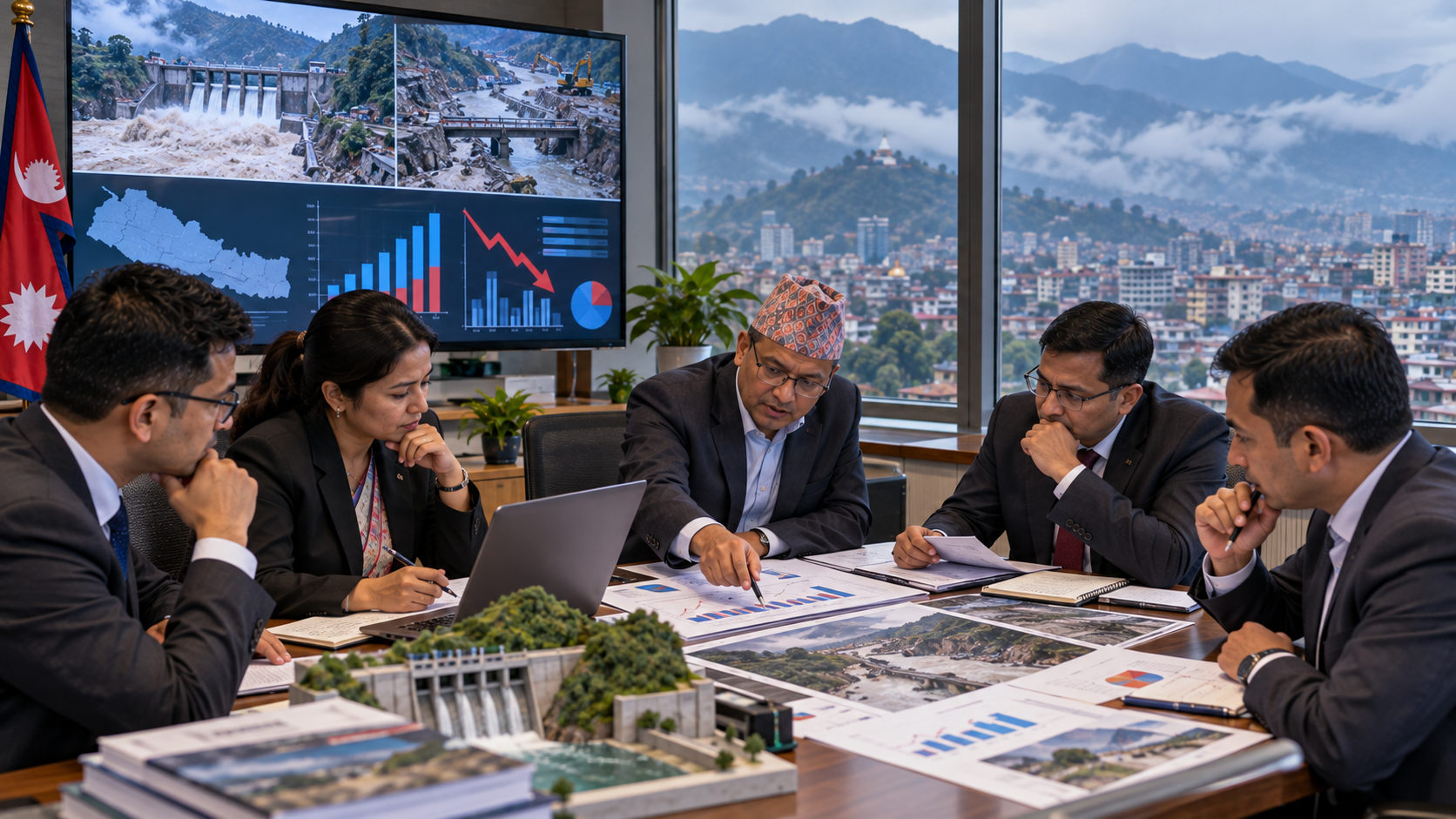
The industrial slowdown is not attributed to a single event. Business representatives have linked the difficulties to several shocks and disruptions over recent years, including the 2015 earthquake, the Covid-19 pandemic, geopolitical instability and the economic effects of the recent Bhotekoshi floods.
Biratnagar’s economy is closely connected to markets across the Nepal-India border. The open border supports substantial movement of people and goods, but business representatives say it can also expose Nepali retailers and manufacturers to strong competition from Indian markets.
Industrial and business groups have also raised concerns about informal and illegal cross-border trade. They argue that goods entering Nepal outside formal channels can put additional pressure on businesses that pay taxes and comply with customs requirements.
The issue is particularly significant for eastern Nepal because consumers can access Indian markets relatively easily. Business activity in Biratnagar can therefore be affected by changes in prices and demand on the other side of the border.
Investment depends not only on market demand but also on how businesses view the operating environment.
Industrial representatives have expressed concern about what they describe as growing pressure on the private sector. Memories of the insecurity experienced during Nepal’s 1996–2006 conflict also remain part of the region’s business history.
The current situation is different from the conflict period, but some industrialists argue that uncertainty and regulatory pressure can still discourage entrepreneurs from committing capital to new factories.
For Biratnagar, reviving industry therefore involves more than reopening facilities that have stopped production. Businesses also need predictable policies, efficient public services, reliable infrastructure and conditions that encourage fresh investment.
One development has provided a reason for optimism: the expansion of commercial rail cargo services to Biratnagar.
In July, a commercial freight train carrying 40 containers of third-country imports arrived at the Nepal Customs Yard in Biratnagar from Kolkata. The shipment marked the first commercial expansion of third-country rail cargo beyond the Birgunj route to another Nepali customs point.
The route became possible following changes to the Nepal-India transit framework and related customs procedures. The railway connection between Bathnaha and the Biratnagar customs area had previously been inaugurated in 2023, but regular commercial cargo operations required additional legal and procedural arrangements.
For industries that import raw materials through Kolkata, rail transport could reduce transit-related expenses and improve delivery reliability.
Industrial representatives have estimated that rail could substantially lower transportation costs compared with road freight, although the actual savings will depend on cargo type, frequency, handling arrangements and the reliability of the service.
The arrival of the first commercial train is significant, but its longer-term impact will depend on whether the service becomes regular and predictable.
Manufacturers need dependable logistics rather than occasional shipments. Consistent rail operations could help businesses plan inventories, reduce uncertainty around raw-material deliveries and potentially improve their competitiveness.
The corridor could also become more valuable if customs procedures, cargo handling and border coordination operate efficiently alongside the railway.
Biratnagar’s industrial recovery is likely to depend on several factors working together.
Improved market demand would give factories greater incentive to increase production. Lower logistics and financing costs could improve competitiveness, while better customs and border management could reduce friction in trade.
The city also needs conditions that make entrepreneurs willing to invest in new production capacity rather than relying primarily on imports or existing businesses.
For the industrial corridor, the objective is therefore not simply to restore the number of factories that once operated there. The larger challenge is to build an environment where existing businesses can remain competitive and new industries have reasons to invest.
Biratnagar’s industrial identity was built over decades, but its future will depend on how effectively Nepal responds to changing regional trade, manufacturing competition and domestic investment conditions.
The new Kolkata-Biratnagar cargo connection provides one piece of that equation. If regular rail service is combined with efficient customs, better border management, supportive industrial policies and stronger private-sector confidence, it could reduce some of the logistical constraints faced by eastern Nepal’s manufacturers.
The railway alone, however, cannot revive an industrial economy. Demand, investment, infrastructure, trade policy and business confidence will all shape whether Biratnagar can regain the industrial momentum that once made it one of Nepal’s most important manufacturing centres.
Comments
0 comments
Loading comments...