Continuous rainfall, floods, landslides, strong winds and lightning have disrupted Nepal’s electricity infrastructure, affecting around 1,303 MW of the power system, according to the Nepal Electricity Authority.
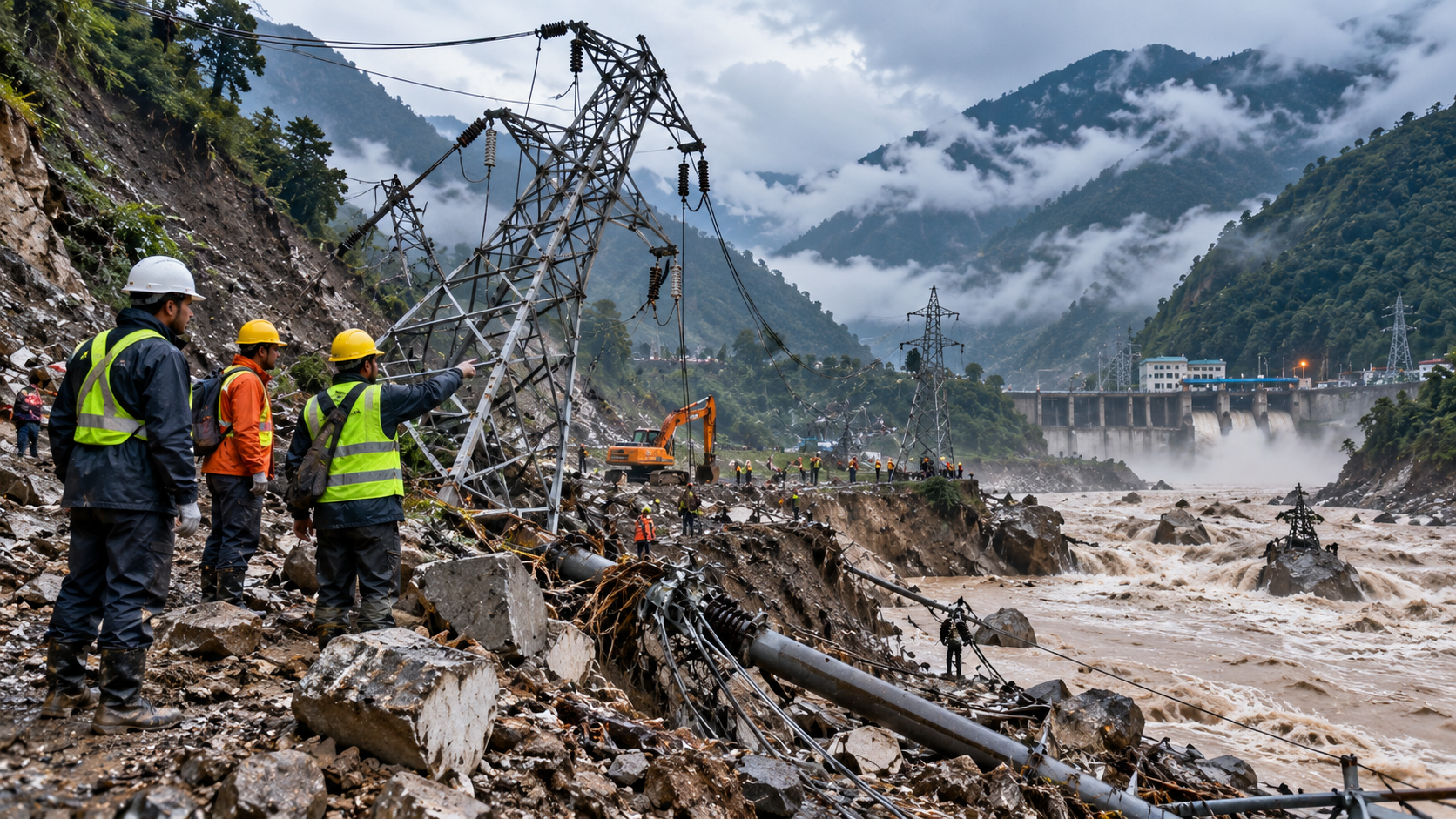
According to the latest assessment by the Nepal Electricity Authority (NEA), disruptions involving transmission lines, generation facilities and electricity loads have affected around 1,303 megawatts of the power system.
The authority said it is closely monitoring electricity generation, transmission and distribution networks while preparing personnel, equipment and other materials for emergency restoration work.
NEA Managing Director Dirghayu Kumar Shrestha held a virtual meeting on Sunday with the heads of the authority’s seven provincial offices and two division offices.
Officials reviewed the effects of the ongoing weather conditions on electricity infrastructure, the status of power supply and potential risks to the system.
Shrestha instructed regional offices to immediately mobilise technical personnel and necessary equipment wherever disruptions occur.
The authority has also directed teams to use alternative transmission lines and feeders where technically possible to restore electricity while damaged infrastructure is being assessed.
The NEA said significant disruptions have been reported in the power systems serving Pokhara, Butwal, Hetauda and Kathmandu.
Flooding and landslides have affected transmission lines, while equipment at some hydropower plants and substations has also been damaged.
The scale of the impact is being measured across generation, transmission and distribution facilities rather than representing a complete loss of 1,303 MW of electricity generation.
NEA teams are therefore assessing individual infrastructure failures and restoring supply through alternative arrangements wherever possible.
The authority has instructed technical teams to give priority to worker safety while carrying out restoration work in disaster-affected locations.
Floodwater, unstable slopes, damaged transmission structures and continuing rainfall can create additional risks for electricity workers attempting to reach damaged facilities.
The NEA said damaged infrastructure will be assessed before repair work begins, with technical teams being mobilised according to the severity of disruptions.
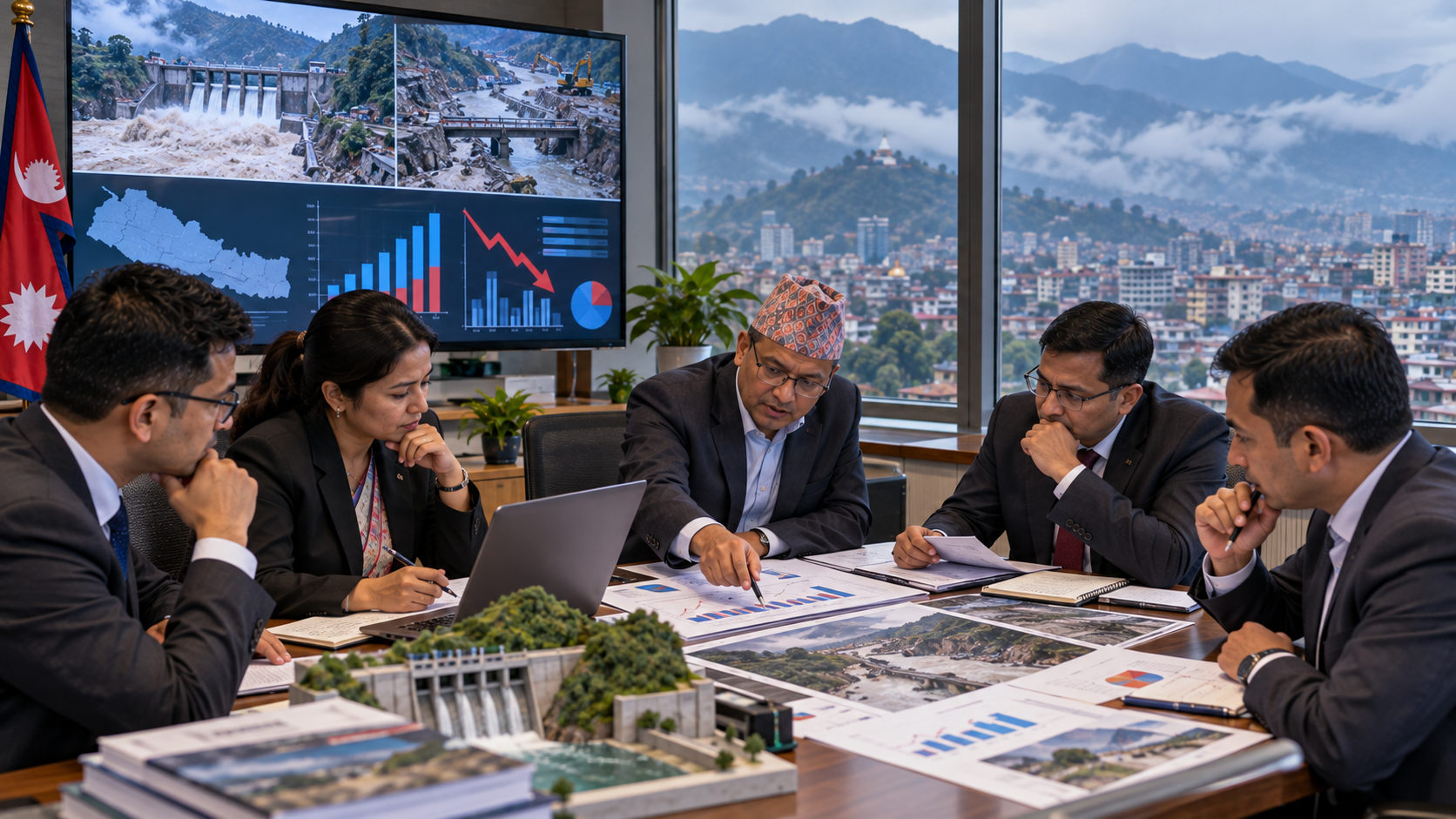
The latest disruption comes after the devastating August 26 Bhotekoshi floods, which severely damaged hydropower and transmission infrastructure in Rasuwa and neighbouring districts.
The earlier disaster destroyed the 220 kV Trishuli 3B Hub Substation and disrupted several transmission lines. More than a dozen hydropower projects were also affected.
The damage has already reduced available generation and complicated Nepal’s electricity management ahead of the coming dry season. The NEA has said it is preparing to manage winter demand despite the loss of generating and transmission infrastructure.
Nepal's electricity system depends heavily on hydropower, much of which is generated through river-based projects.
Extreme weather can therefore affect multiple parts of the electricity chain at the same time—from generation facilities and substations to transmission towers and local distribution networks.
The recent disasters have demonstrated how damage to a single major transmission facility can prevent otherwise operational hydropower plants from delivering electricity to the national grid.
For example, the destruction of the Trishuli 3B Hub Substation previously left 176.1 MW of generation unable to be evacuated to the national system despite several connected plants avoiding direct physical damage.
The NEA said all relevant offices and technical teams have been mobilised to restore disrupted services as quickly as possible.
Wherever feasible, electricity is being routed through alternative lines and feeders while damaged infrastructure undergoes assessment and repair.
The authority said it will continue monitoring weather-affected areas and deploy additional technical resources if further damage occurs.
With rainfall, floods and landslides continuing to pose risks in several parts of Nepal, maintaining reliable electricity supply will depend on both rapid emergency restoration and the longer-term strengthening of transmission and distribution infrastructure.
Comments
0 comments
Loading comments...