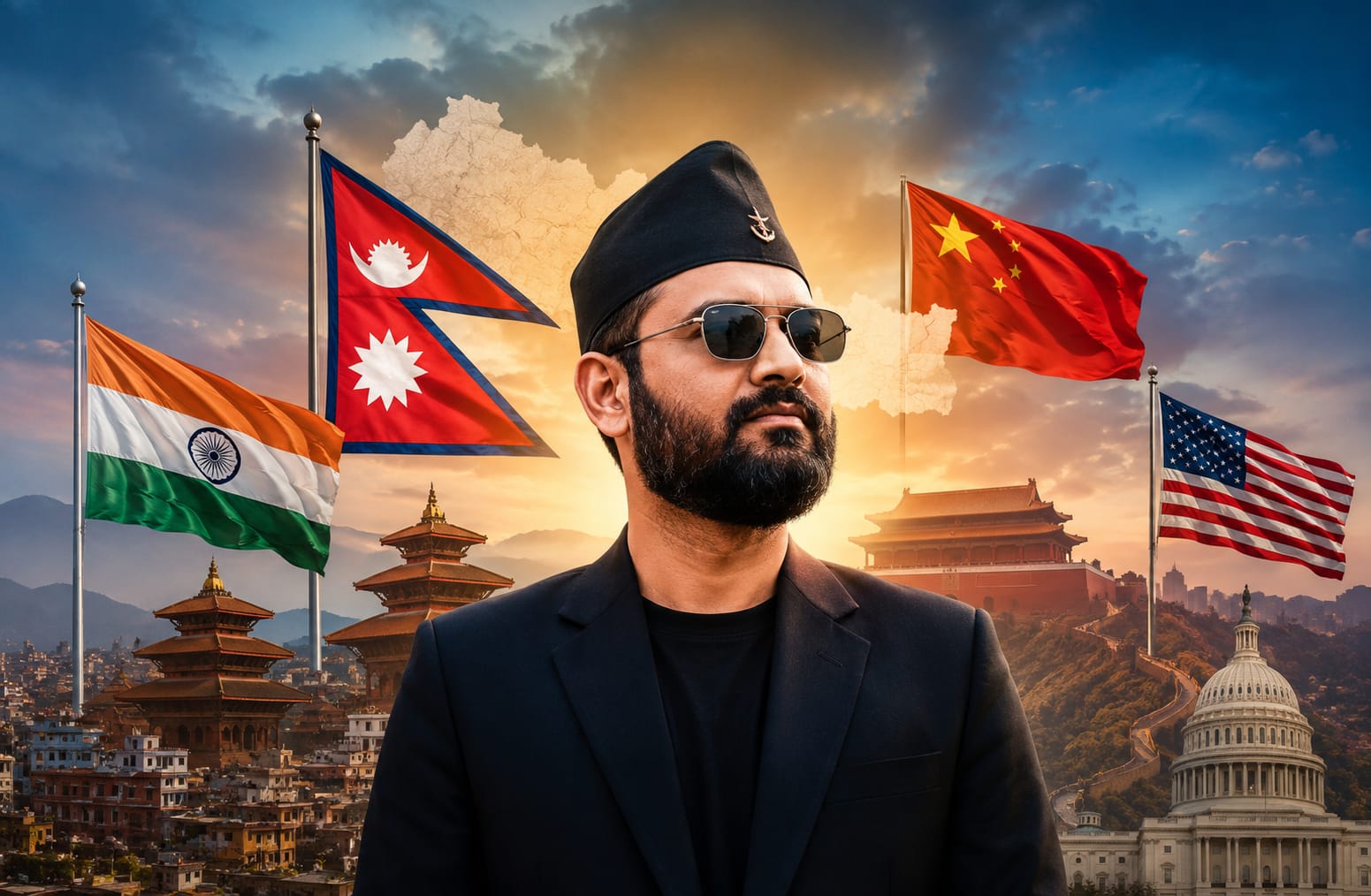
15 May Kathmandu Nepal’s new leadership under Balendra Shah is drawing global attention as India, China, and the US closely monitor Kathmandu’s evolving foreign policy direction.
Kathmandu — Nepal’s evolving political landscape is beginning to reshape not only domestic governance but also the country’s foreign policy outlook, with Prime Minister Balendra Shah increasingly becoming the center of regional diplomatic attention.
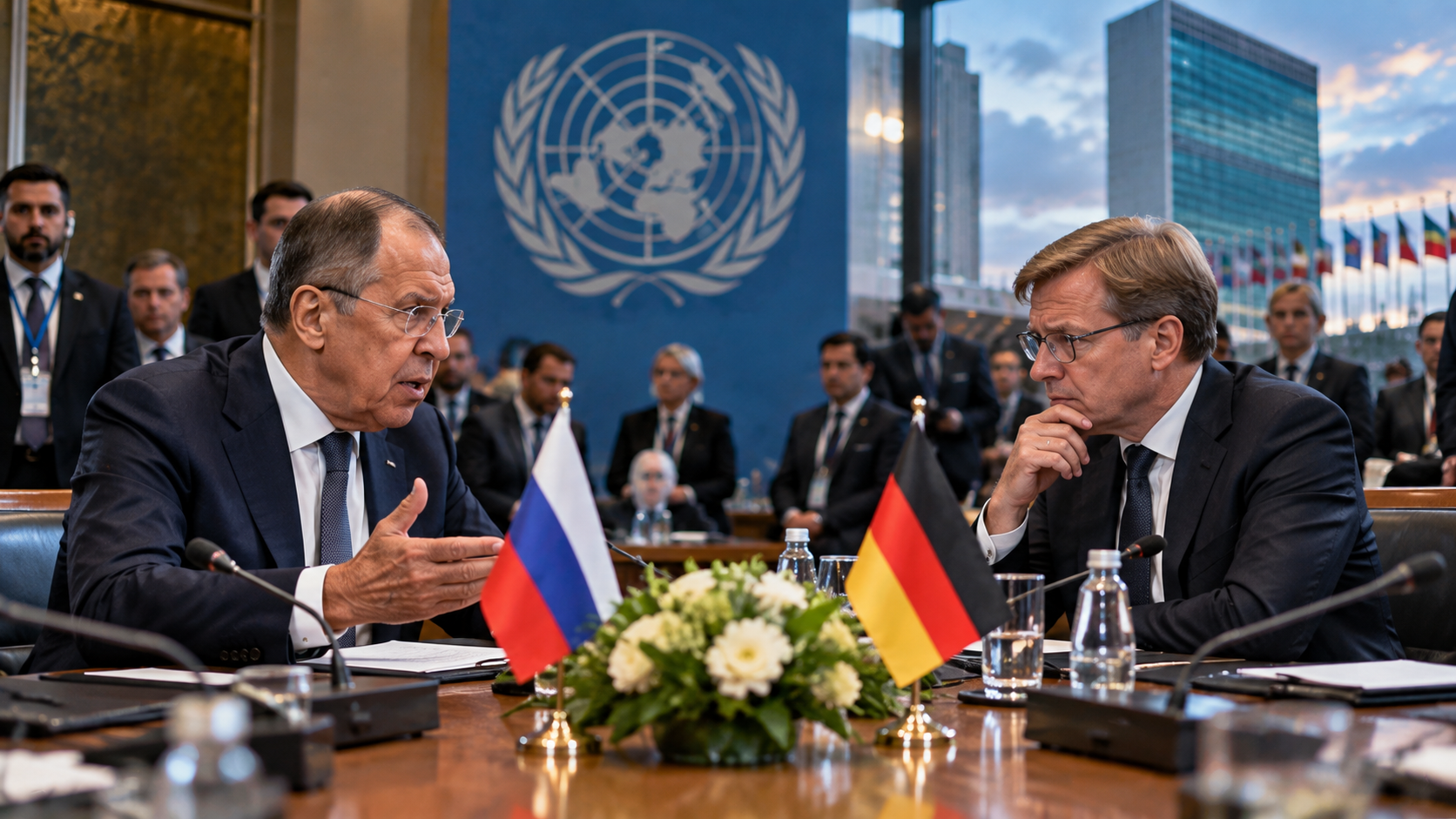
As Kathmandu signals a more assertive and youthful political direction, major global and regional powers—including India, China, and the United States—appear to be carefully watching how Nepal positions itself in a rapidly changing geopolitical environment.
Political observers say the new administration’s diplomatic approach reflects both opportunity and risk for a nation historically known for balancing relationships between powerful neighbors while maintaining its non-aligned identity.
A Leadership Change That Has Drawn Global Attention
The rise of Balendra Shah, popularly known as Balen, marked a dramatic shift in Nepal’s political culture. Emerging from outside the traditional party establishment, his leadership gained momentum through public frustration toward conventional politics, governance failures, and corruption allegations that have long dominated Nepal’s political discourse.
Now leading the federal government, Balen’s administration faces a challenge far greater than electoral popularity: defining Nepal’s role on the international stage.
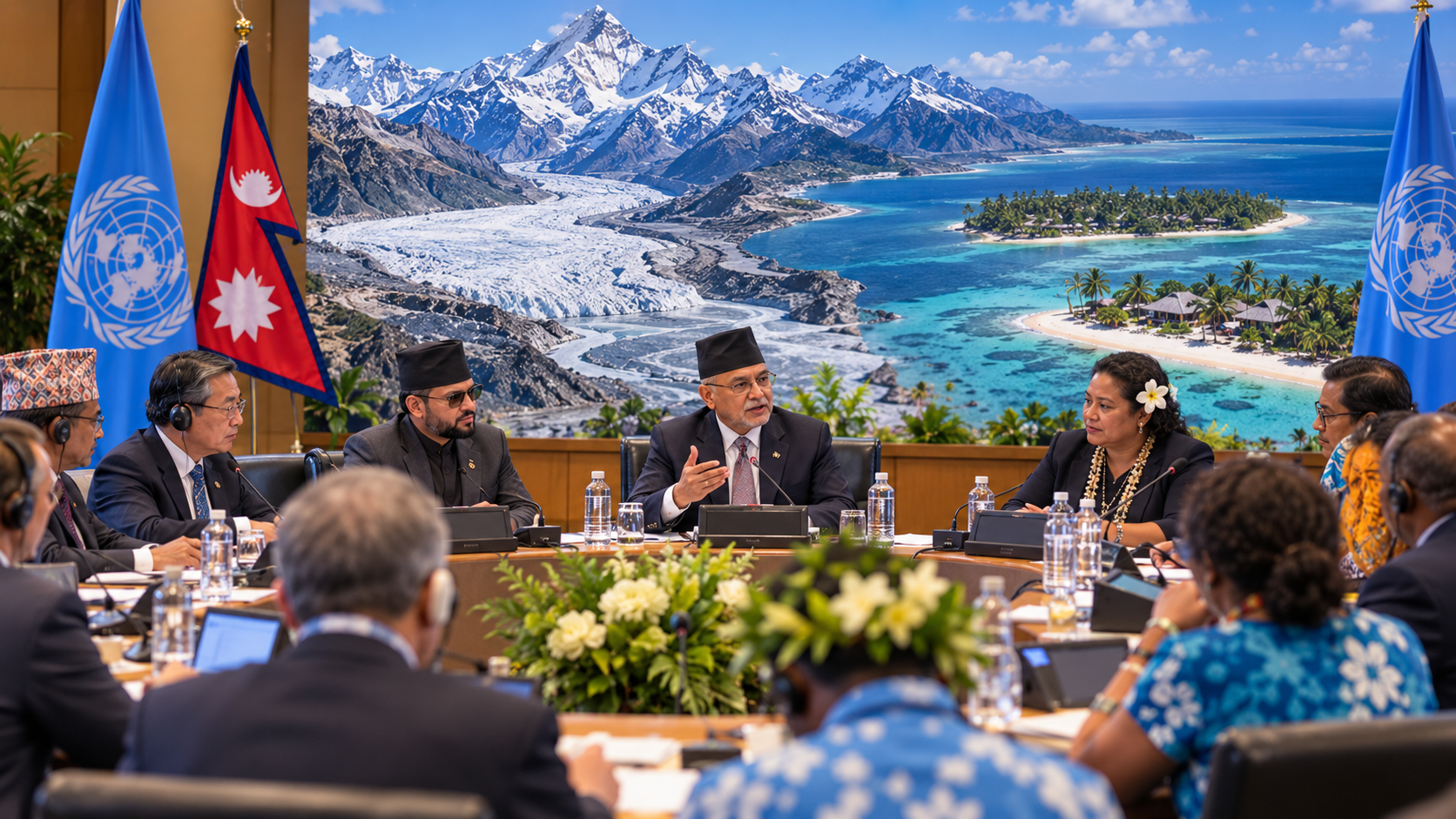
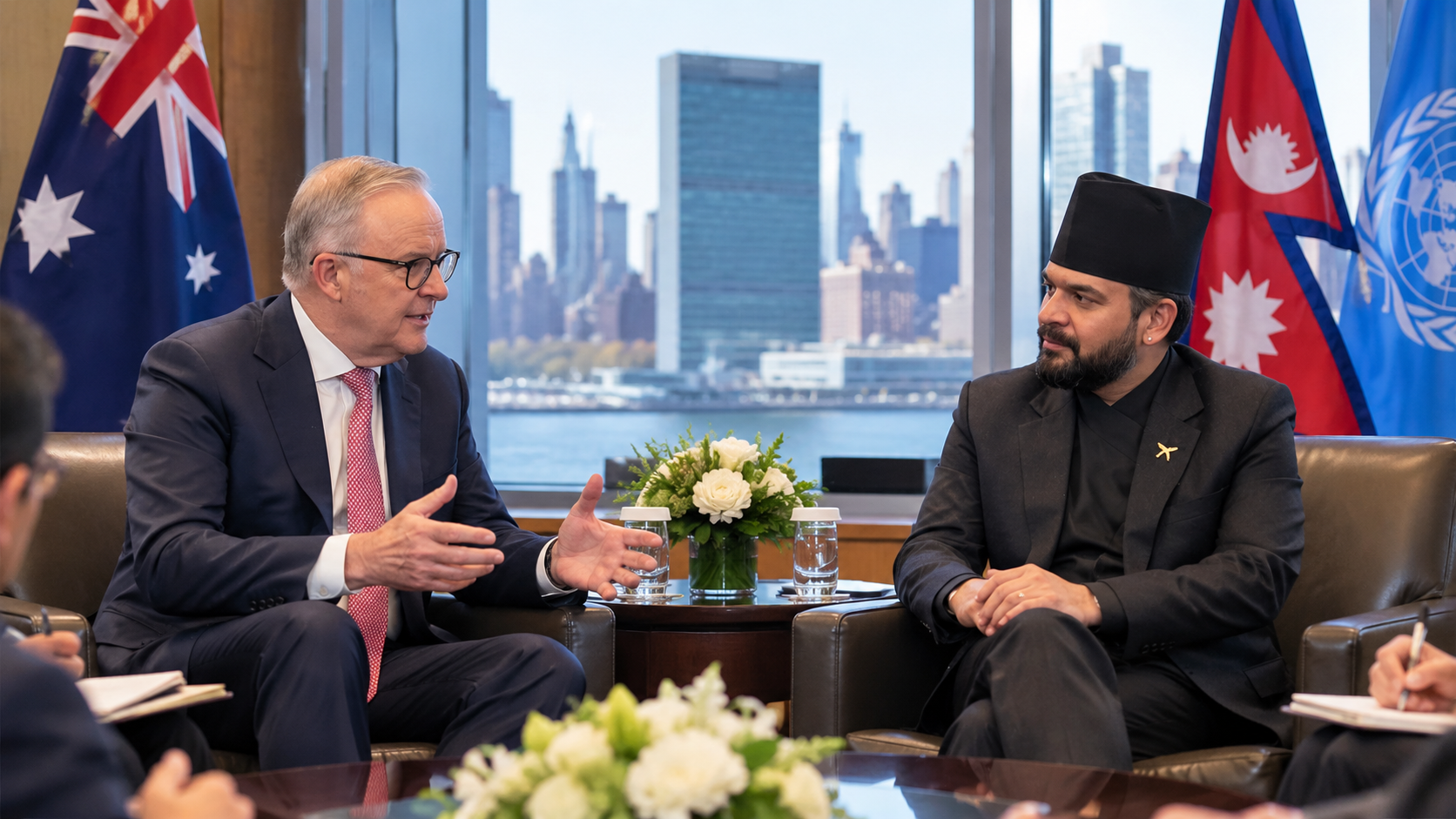
In recent weeks, diplomatic activities surrounding Kathmandu have intensified. High-level engagements, policy discussions, and renewed strategic interest from foreign governments suggest that Nepal is once again becoming an important geopolitical focus in South Asia.
Analysts believe this renewed attention is not solely about Nepal itself, but also about the growing strategic competition unfolding across the region.
Balancing Between India, China and the United States
Nepal’s foreign policy has traditionally revolved around maintaining balanced relations with both India and China while engaging with Western powers for development cooperation and economic partnerships.
However, changing global dynamics have made this balancing act increasingly sensitive.
India remains Nepal’s largest trading partner and an influential political and cultural neighbor. China, meanwhile, has expanded infrastructure investments and connectivity ambitions through regional development initiatives. The United States has also increased its strategic engagement in Nepal through development assistance, democracy promotion, and security cooperation.
Observers say the Balen government appears to be attempting a more independent diplomatic posture—one that seeks broader international partnerships without appearing overly aligned with any single power bloc.
Government insiders and foreign policy experts note that the administration’s language on sovereignty, economic diplomacy, and national interest reflects a growing desire to reduce excessive dependency on external actors.
Still, maintaining neutrality in today’s polarized geopolitical climate may prove difficult.
A New Generation’s Expectations
The new government’s foreign policy direction is also deeply tied to changing public expectations inside Nepal.
Young voters, especially urban populations, increasingly expect diplomacy to produce visible economic results rather than symbolic political statements. Employment opportunities, foreign investment, education partnerships, technology transfer, and infrastructure development are becoming central public concerns.
For many Nepalis, foreign policy is no longer viewed as a distant diplomatic matter. Instead, it is increasingly linked to everyday issues such as migration, economic stability, tourism, and national development.
This shift in public perception is pressuring the government to adopt a more practical and economically focused international strategy.
Political analysts say Balen’s popularity largely stems from his image as a results-oriented leader. That same expectation now extends to foreign affairs.
Nepal’s Strategic Importance Is Growing
Despite its relatively small size, Nepal occupies a strategically significant location between two major Asian powers.
Over the past decade, Nepal has repeatedly become a focal point in broader regional competition involving infrastructure connectivity, trade routes, energy cooperation, and security interests.
China has expanded its regional influence through transport and investment initiatives across South Asia, while India continues to view Nepal as critical to its own strategic and security interests.
Meanwhile, the United States and other Western nations increasingly see Nepal as an important democratic partner in the Indo-Pacific region.
As a result, Kathmandu’s diplomatic choices often attract international scrutiny far beyond what its economic size might suggest.
Experts warn that this growing attention brings both opportunity and pressure.
“Nepal can benefit from multiple partnerships,” one foreign affairs observer noted, “but it must avoid becoming a battleground for competing geopolitical agendas.”
Challenges Ahead for the Government
While the government’s diplomatic outreach has generated interest, challenges remain significant.
Nepal continues to face:
economic instability
rising youth migration
infrastructure gaps
political fragmentation
dependence on remittances
Foreign policy alone cannot solve these structural issues. However, successful diplomacy could help attract investment, tourism, trade opportunities, and development partnerships necessary for long-term growth.
There are also concerns regarding institutional consistency. Nepal’s foreign policy direction has historically fluctuated with political transitions, coalition changes, and internal power struggles.
Analysts say the durability of the Balen government’s international approach will depend on whether it can establish coherent long-term policies rather than personality-driven diplomacy.
Diplomacy Beyond Symbolism
Observers note that Nepal’s future diplomatic success may depend less on grand speeches and more on practical engagement.
Economic diplomacy, regional connectivity, hydropower cooperation, digital innovation, education exchange, and labor agreements are increasingly viewed as the real tests of international policy effectiveness.
The government is also expected to maintain careful communication with neighboring countries while reassuring global partners that Nepal remains committed to balanced and sovereign decision-making.
For a country navigating complex regional politics, even minor diplomatic signals can carry major implications.
A Defining Moment for Nepal’s Global Position
As Nepal enters a new political chapter under Balendra Shah’s leadership, the country appears to be standing at a potentially transformative moment in its international relations.
Whether the new administration can successfully redefine Nepal’s diplomatic identity while preserving strategic balance remains uncertain. But one thing is increasingly clear: the world is paying closer attention to Kathmandu than it has in years.
For many Nepalis, the hope is that this attention will translate not into geopolitical pressure, but into meaningful national progress.
Tags: Nepal Foreign Policy, Balen Shah, Nepal Diplomacy, India China Nepal Relations, Nepal Politics, International Relations, South Asia Geopolitics
Website: HamroBichar.com
Email: info@hamrobichar.com