30 April Kathmandu— A new controversy has erupted in Nepal after the Nepali Army’s decision to collect data on squatters and unorganised settlements across the country has been strongly objected to by representatives of local governments. The move comes amid ongoing eviction drives and land management efforts and has sparked debate on governance, authority and the role of the military in civilian affairs.
The crux of the matter is a fundamental question: Should civilian authorities or the military be dealing with sensitive social issues like squatters?
🪖 Army's data collection action
The controversy was triggered when army units in various districts began sending official letters to local governments and land agencies requesting detailed information concerning squatter settlements.
The data requested was:
• Settlement sites
• Households (Units)
• Settlement founded on date
• Contact information for settlement representative
The army said this was part of a larger government initiative to maintain records of landless people and unorganised settlers and to assist future planning.
The move, however, was not well received by local representatives.
🏛️ Local unit object
Elected representatives of several municipalities and rural municipalities expressed serious concerns about the involvement of the army.
Their main arguments against are:
• ❗ Bad coordination with the local governments
• ❗ Potential breach of administrative boundaries
• ❗ Undermining civilian control
• ❗ Fear of the militarization of the state
Some local leaders wondered if the actions are a sign of a change in the country’s leadership.
There were concerns about the national defence force’s involvement in such civil matters blurring the line between military and civilian roles, reports said.
⚖️ Authority Confusion
The army has stated that the data collection is being done under the decisions of district security committees. But some Chief District Officers (CDOs) have said no such decision was formally taken.
This contradiction has added more confusion.
• Army: Implementation of security committee decisions
• Local officials say no such decision exists
This ambiguity has posed serious questions on institutional coordination and transparency.
🌧️ Army's Defense: Disaster Preparedness
In response to criticism, the army said data collection was related to disaster preparedness. “The monsoon season is approaching and disaster preparedness is important,” it said.
The army says: "
• The data will help in rescue and relief operation.
• It will help in mapping of vulnerabilities of settlements
• Its aim is to reduce damage from floods, landslides and river erosion.
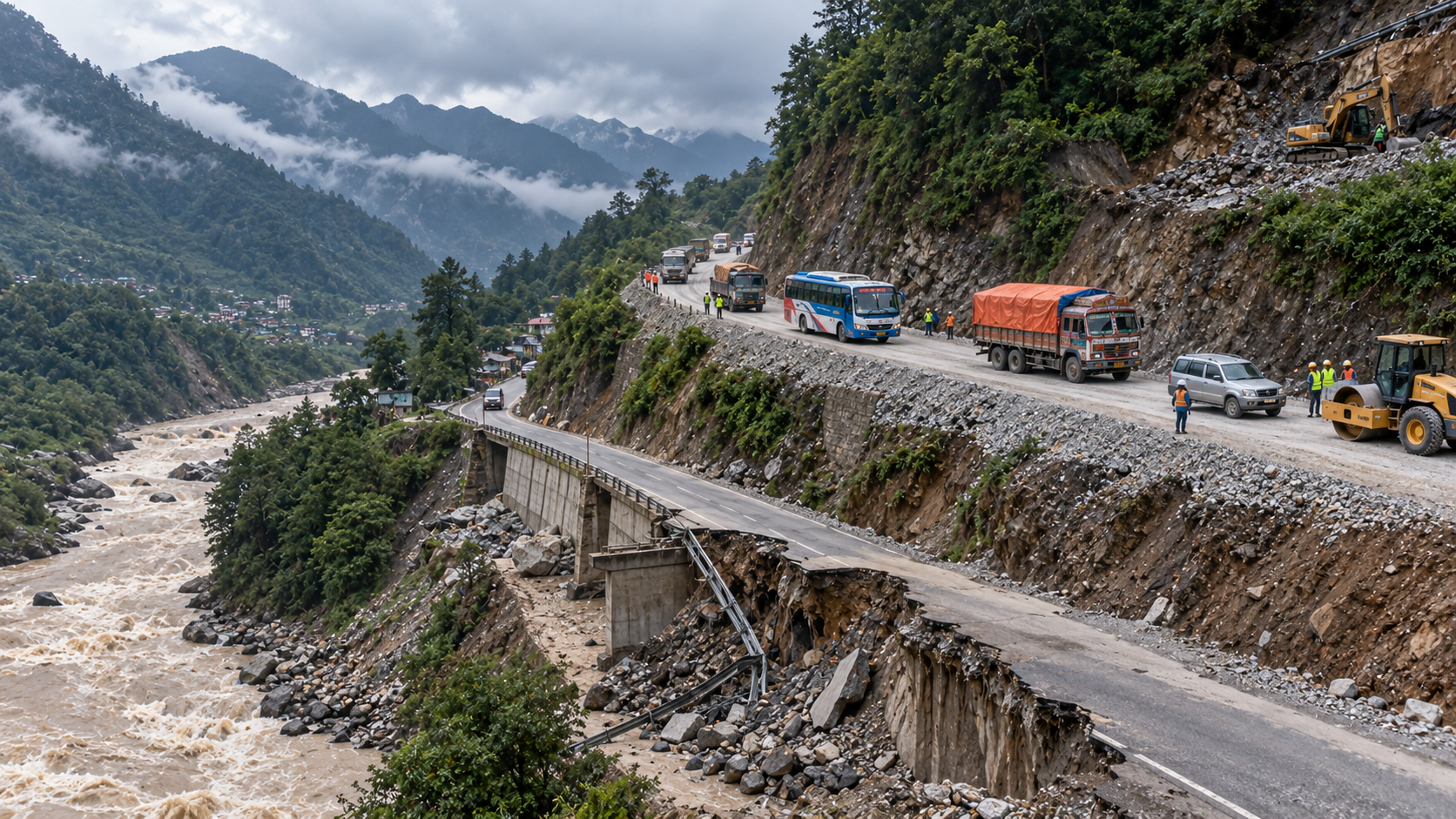
Many squatter settlements are situated along river banks and high risk zones and thus are vulnerable during natural disasters.
🏚️ Background: Land issues and evictions
This problem comes amid Nepal's existing challenges:
• Mass eviction drives in Kathmandu Valley
• Destroying settlements on the river banks
• Displaced Families Moved to Temporary Shelters
Recent operations have evicted hundreds of families from informal settlements, often with little preparation and an uncertain future.
The government has tried to:
• Identify “actual squatters”
• Public land open
• Find alternative accommodation
But critics say it is being rolled out in a patchy and inhumane way.
👥 Human Rights & Social Issues
The situation is increasingly worrying civil society groups and activists.
Key issues include:
• 🧍♂️ No proper resettlement plans
• 🏠 Threats to housing rights
• ⚖️ Threat of forced evictions
• 📉Impact on vulnerable populations
Local representatives say any data collection on squatters should be done by civil institutions such as the Land Commission, not the military.
🧠 Bigger Issue: Governance vs Military
Experts say the row is symptomatic of a deeper problem in Nepal’s system of governance.
Main Questions:
• Is the government overdependent on its security forces?
• Are civilian institutions getting weaker?
• Is there a lack of coordination among agencies?
There have been concerns that the army's role in such activities has overshadowed the civil administration.
📊 Why You Should Care
The problem is not only with data collection but wider implications are:
• Governance framework
• Civil military balance
• Protection of human rights
• Confidence in institutions
If not handled properly, it could cause:
• Growing political tensions
• Protests by the public
• Legal wrangling
🔮 What Happens From Here?
This is a developing story. Outcomes may include:
• Government clarification of roles and responsibilities
• Improved co-ordination of agencies
• Policy reforms on land management
• The debate over military involvement continues
For now, the controversy adds another layer of complexity to the already sensitive issue of squatters and land reform in Nepal.
🧾 Last Words
The squatter data tussle between local governments and the army is symptomatic of the larger governance challenge in Nepal.
Disaster preparedness is important but how it is done is equally important.
To move forward effectively Nepal needs:
• Proper institutional coordination
• Respect for the civilian power
• Open decision making
• people-centred policies
Only that way can the country address land questions without creating new conflicts.
Comments
0 comments
Loading comments...