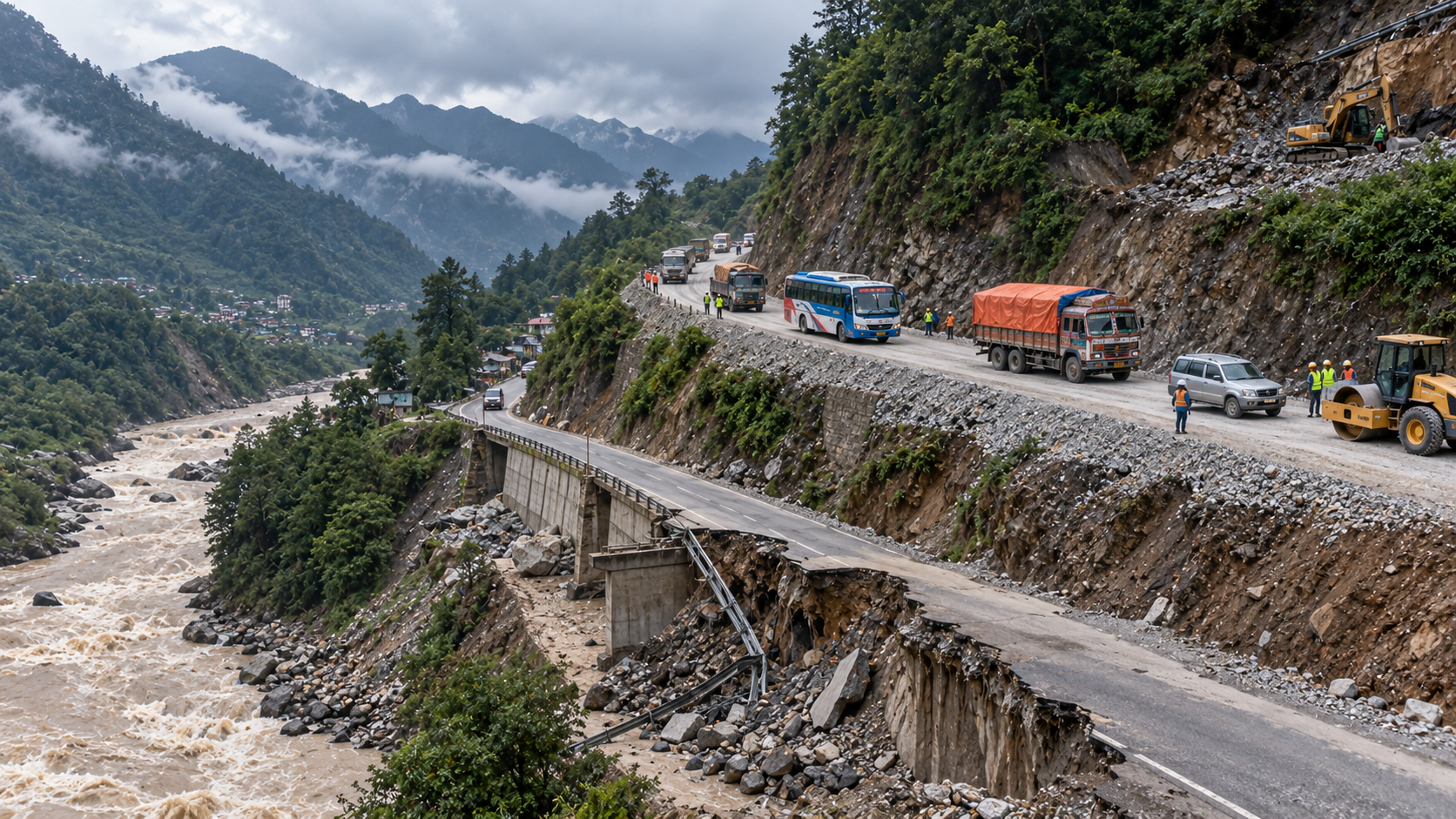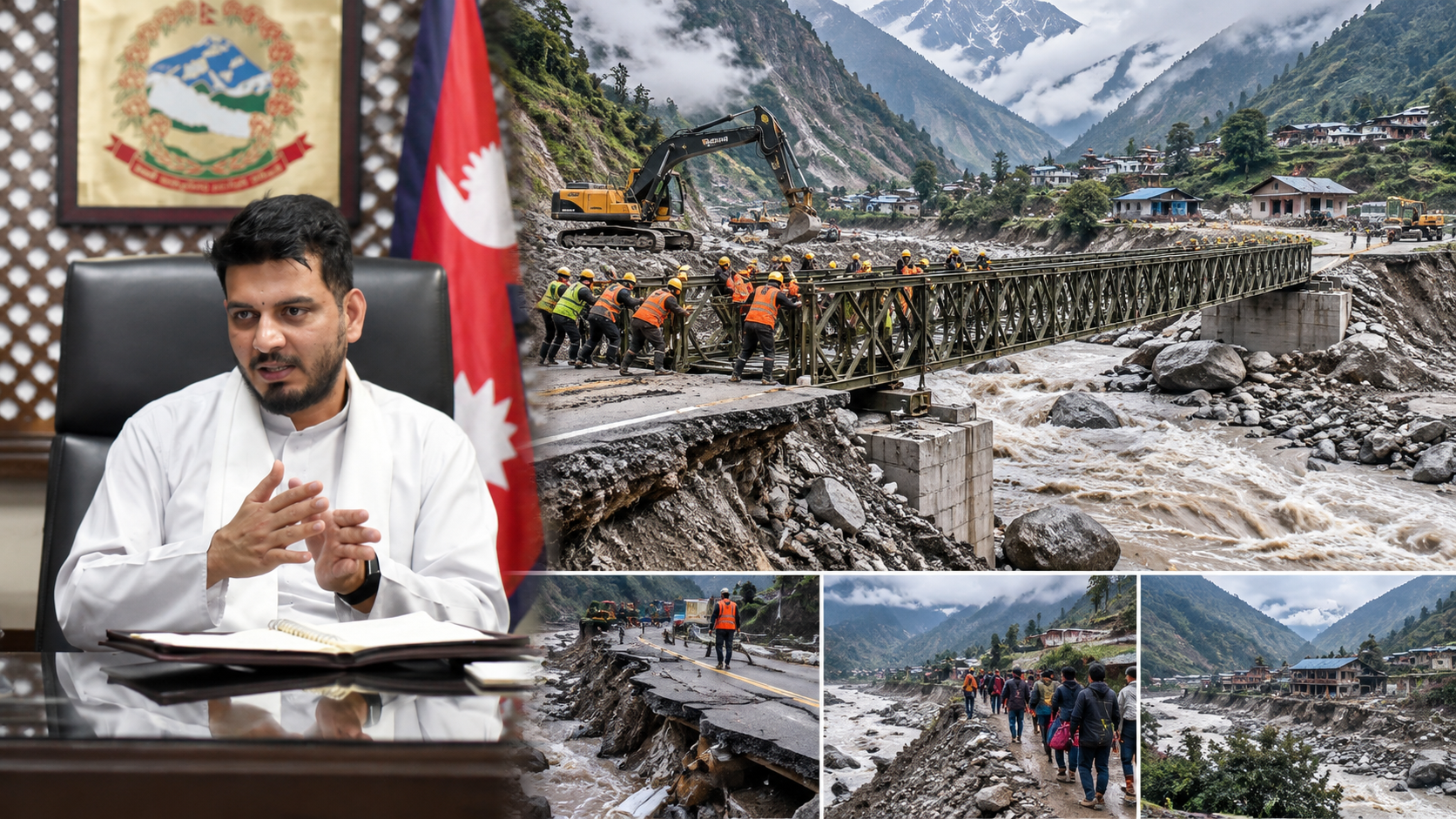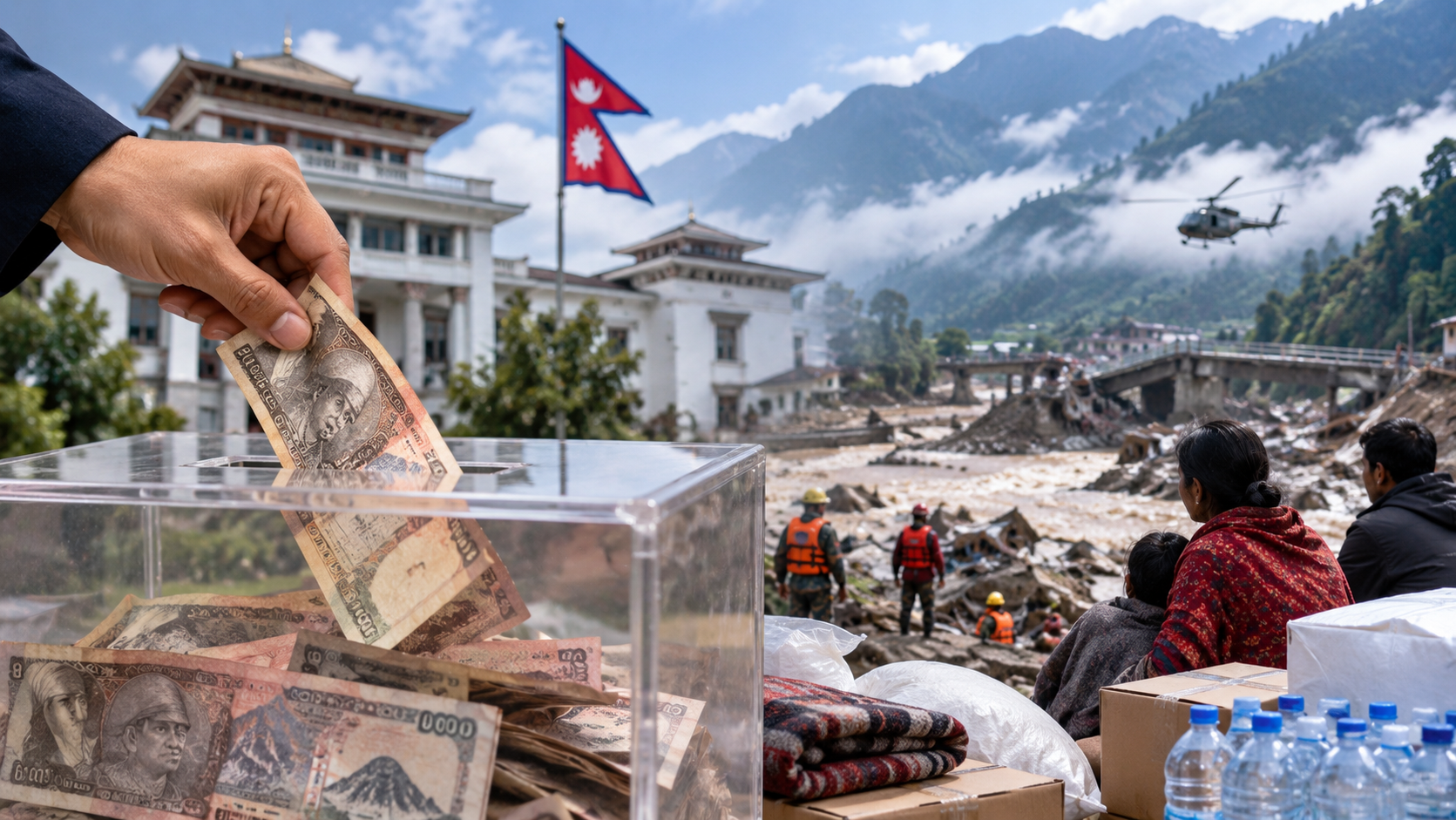
Nepal is facing a major challenge in identifying victims of the devastating Bhotekoshi floods, as the country's limited forensic laboratories struggle with an unprecedented volume of DNA samples from recovered bodies and families of missing people.
Of the 1,341 bodies recovered so far, only 98 have been formally identified, leaving thousands of families waiting for answers about missing relatives. More than 2,000 DNA samples from recovered remains and relatives have reached Nepal's forensic laboratories, far exceeding their normal capacity.
Nepal currently has two main facilities conducting DNA testing: the Nepal Police Central Forensic Science Laboratory and the National Forensic Science Laboratory under the Ministry of Science, Technology and Innovation.
Under normal circumstances, the two laboratories together process fewer than 1,000 DNA samples a year. The Bhotekoshi disaster has suddenly produced more than 2,000 samples requiring examination.
At the National Forensic Science Laboratory in Khumaltar alone, 530 samples from recovered bodies and family members had been received, according to senior scientist Mukul Pradhan.
Officials say the unprecedented workload has exposed long-standing shortages of forensic specialists, equipment, reagents and laboratory capacity.
The identification process is particularly difficult when bodies have been exposed to water for a prolonged period.
DNA can be obtained relatively quickly from fresh blood samples, but badly decomposed remains often require DNA extraction from teeth or bones, which is considerably more complicated.
Forensic officials say that in previous cases, extracting DNA from bone samples has taken two to four months. Under the current workload, authorities estimate that results could take at least three months, although additional technical assistance could shorten the timeline.
The delay is particularly painful for families who have spent days searching for missing relatives and are now waiting for scientific confirmation before they can conduct final rites.
Recognising that Nepal's existing capacity is insufficient for the scale of the disaster, the government has sought international assistance.
DNA specialists from India and China are already supporting Nepal's forensic teams, while South Korea has also provided assistance through its disaster-response personnel and equipment. Additional expertise from Singapore and Japan has also been proposed.
Nepal's Foreign Ministry had earlier confirmed that international forensic teams were being mobilised and that equipment such as DNA testing kits and gene-sequencing technology was being sought.
Machines brought from South Korea can reportedly process approximately 40 to 150 samples per day, depending on the testing process and workload.
At the Nepal Police Central Forensic Science Laboratory, officials reported that the combined number of samples from recovered bodies, partial remains and relatives had exceeded 2,000.
Police data cited in the report showed 1,181 samples from bodies and partial human remains and 1,186 samples from relatives had been collected by Sunday afternoon.
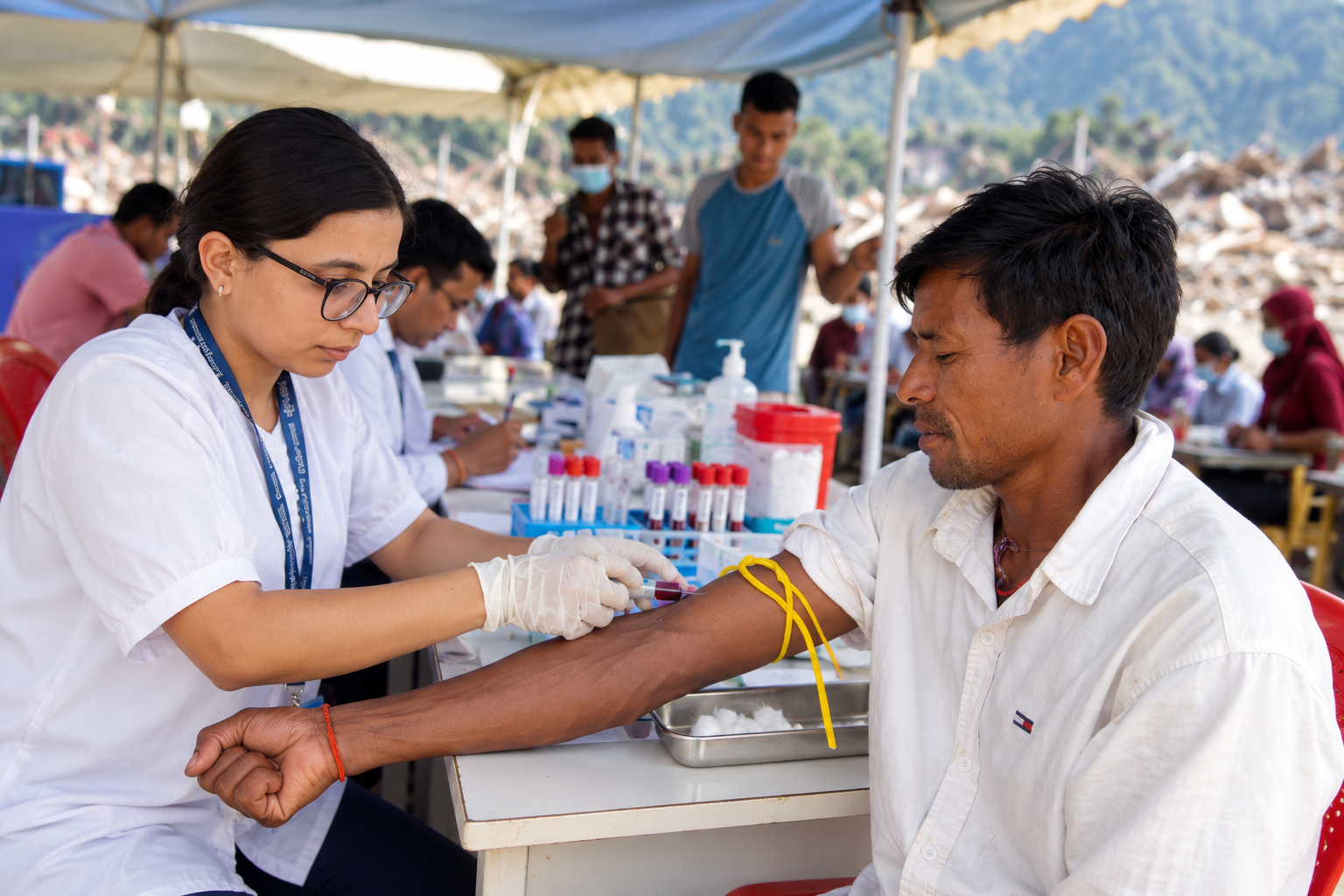
The process involves separately profiling DNA from recovered remains and from relatives before scientifically comparing the profiles.
For a missing child, a sample may be taken from the child's parents. If a parent is missing, samples can be taken from children or a spouse. In the absence of immediate family members, siblings may also provide samples.
The enormous number of recovered bodies has also created a separate logistical challenge.
Bodies have been recovered across Nuwakot, Dhading, Tanahun, Gorkha, Chitwan and Nawalparasi, with some remains reaching India through the river system. Chitwan alone had recorded 362 recovered bodies, while 222 were found along the Narayani River in East Nawalparasi, according to the report.
Because morgues and hospitals could not accommodate all the remains and prolonged exposure created health risks, authorities have begun carefully managing unidentified bodies after completing forensic procedures and collecting DNA samples.
Under Nepal's procedures, the remains are documented, tagged and their locations recorded so they can be retrieved later if a DNA match is established.
Authorities say the temporary management of unidentified remains does not mean families will lose the opportunity to recover their loved ones.
Once a DNA match is established, the relevant remains can be retrieved and handed over to the family. Officials say relatives can make a claim for up to 12 years, provided identification can be scientifically established.
Nepal Police has also asked relatives of missing people to provide DNA samples at the Nepal Police Hospital in Maharajgunj or their nearest district police office. Foreign nationals and relatives living abroad can have DNA profiles prepared in their country of residence and send them to Nepal Police for comparison.
The DNA identification effort has become one of the most important parts of Nepal's post-flood response.
For families, a DNA result could finally answer whether a recovered body belongs to a missing loved one. For authorities, however, the sheer volume of cases has exposed the limitations of Nepal's forensic infrastructure.
The disaster has therefore highlighted an urgent need to strengthen Nepal's forensic laboratories, specialist manpower, equipment, reagents and disaster victim identification systems so that the country can respond more effectively to future large-scale disasters.
As international experts continue to assist Nepal, authorities are trying to accelerate the testing process while maintaining the scientific and legal standards necessary to ensure that every identification is accurate.
HamroBichar will continue to follow the DNA identification process and provide verified updates to families and readers affected by the Bhotekoshi disaster.
Tags: Bhotekoshi Flood, DNA Testing, Nepal, Missing People, Forensic Science, Victim Identification, Nepal Police, Rasuwa Flood, Disaster Response, DNA Profiling
Comments
0 comments
Loading comments...