Nepal has intensified search-and-rescue operations inside tunnels of flood-damaged hydropower projects, with the Nepali Army estimating that around 121 workers and employees may still be trapped underground following the devastating Bhotekoshi flood.
The figure is significantly lower than the roughly 900 missing people initially reported by hydropower project operators. The Army says the larger figure includes everyone associated with the affected projects and does not mean all of them were inside tunnels when the disaster struck.
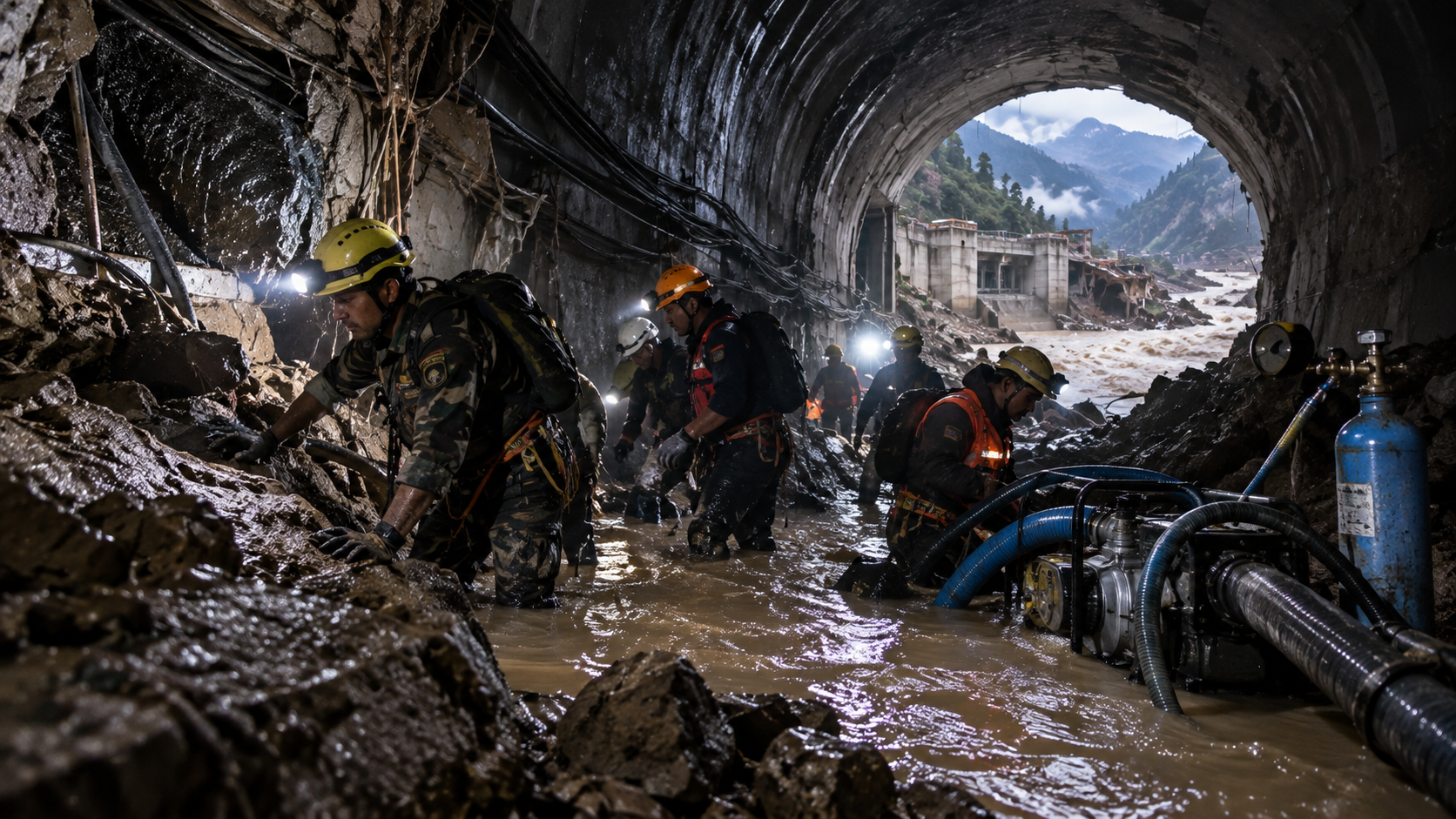
The August 26 disaster buried tunnel entrances, powerhouses and other infrastructure under huge quantities of mud, rock and debris. Rescue teams are now working project by project, using excavators, pumps, drones, helicopters and specialist tunnel teams from Nepal and other countries.
According to the Nepali Army's latest assessment, the estimated number of people trapped inside tunnels includes approximately:
The Army has stressed that figures supplied by individual projects are still being verified. Project operators have reported a much larger number of missing employees and workers across the affected sites.
The National Disaster Risk Reduction and Management Authority has said search operations will continue until authorities determine that the rescue effort can be concluded.
At the Rasuwagadhi Hydropower Project, rescuers have reportedly advanced approximately 275 metres into the tunnel.
Teams have used generators and other equipment to remove water and enter the tunnel. Personnel familiar with the project have also been brought inside to help rescuers understand the tunnel layout.
The operation remains difficult because there is no suitable landing area for a large Mi-17 helicopter, making it difficult to transport heavy excavation equipment directly to the site.
Authorities estimate that up to five people may have been inside the tunnel, while other project personnel could have gone missing around the Timure border-security area or the dry port rather than inside the tunnel itself.
Search operations at the Langtang Hydropower Project began with the involvement of Nepali and Indian rescue personnel.
Rescuers have entered approximately 60 metres through a service tunnel while working with project engineers familiar with the facility.
Seven people are believed to have potentially been inside the tunnel. One body has already been recovered, but search operations are continuing.
The Chilime Hydropower Project remains one of the most challenging rescue sites.
The tunnel has a V-shaped design, and rescue teams have reached approximately 110 metres inside. Sections of the tunnel are reportedly filled with mud up to nine feet deep, forcing rescuers to remove the material progressively while searching for survivors.
Indian specialists have joined Nepali teams at the site.
Road access to the tunnel remains difficult, meaning rescue personnel have largely depended on helicopters. Authorities are also attempting to establish a walking trail to improve access.
The Upper Trishuli-1 Hydropower Project is believed to have the largest number of people potentially trapped inside its tunnel.
Nepali Army teams have been supported by Chinese and South Korean specialists, with drones also used during the search.
Rescuers have already recovered bodies from the tunnel and, on September 5, rescued a Chinese national alive after he had spent around 10 days inside the tunnel. Two additional bodies were also found during the operation.
However, the search remains difficult beyond approximately 115 metres, where sections of the tunnel are blocked by debris. Rescue teams have also faced difficulties getting mud-removal pumps into the tunnel.
The Upper Trishuli-3A Hydropower Project has already produced one of the most remarkable rescue stories from the disaster.
Two Nepali workers were rescued alive from the project after being trapped for several days. A body was subsequently recovered from the tunnel.
The rescue operation involved Nepali security forces as well as foreign specialists. Teams later reached the farthest accessible sections of the tunnel but did not find additional survivors or bodies in the areas they searched.
The experience at Trishuli-3A has nevertheless strengthened hopes that people trapped in other underground structures could still be alive.
At Trishuli-3B, thick mud has made access to the powerhouse and tunnel difficult.
The Army believes that many of the workers associated with the project may not have been inside the tunnel when the flood struck. Teams are therefore searching the powerhouse, offices and accommodation areas as well.
Excavation work is also underway to determine whether rescuers can reach Trishuli-3B through the interconnected tunnel system from Trishuli-3A.
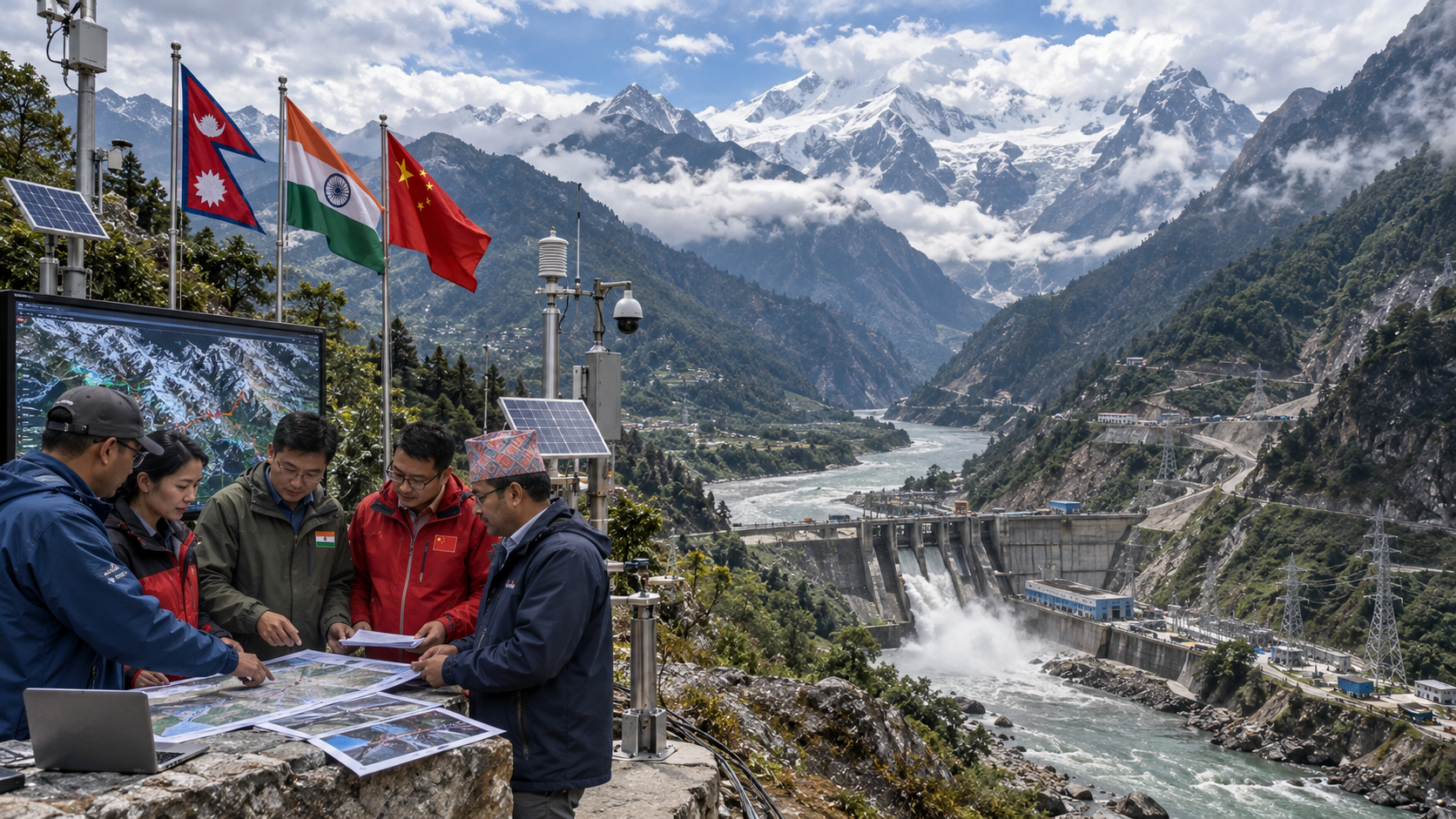
Nepal's rescue effort has received technical assistance from India, China and South Korea, with foreign specialists working alongside the Nepali Army, Nepal Police, Armed Police Force and hydropower engineers.
Rescue teams are using specialised equipment to remove water and mud, break through blocked sections and search underground structures. Oxygen has also been supplied to some tunnels through pipes where authorities believe people could still be trapped.
Engineers have also been providing tunnel maps and technical drawings to rescuers to help identify possible access routes. A large group of engineers has been coordinating information and technical assistance remotely as part of the response.
The Army has said that tunnel searches will continue unless the government orders an end to the operation or the disaster authority determines that the search has reached its conclusion.
The latest operation is focused particularly on Chilime, Upper Trishuli-1 and the interconnected Upper Trishuli-3A/3B tunnel system, where authorities believe people could still be trapped.
The discovery of survivors after several days underground has kept hope alive for families waiting for news. At the same time, the difficult terrain, collapsed tunnel sections, deep mud and damaged infrastructure continue to make the operation one of Nepal's most challenging disaster-rescue efforts.
HamroBichar will continue to follow the hydropower tunnel search and rescue operations and provide verified updates as authorities release new information.
Tags: Bhotekoshi Flood, Hydropower Rescue, Nepal Army, Trishuli-3A, Upper Trishuli-1, Chilime Hydropower, Rasuwagadhi, Rasuwa, Search and Rescue, Nepal Flood, Missing Workers
Comments
0 comments
Loading comments...