Thirty-one leaders aligned with Sher Bahadur Deuba are preparing to join Gagan Thapa’s Nepali Congress committee, weakening plans for a parallel convention ahead of the party’s 15th General Convention.
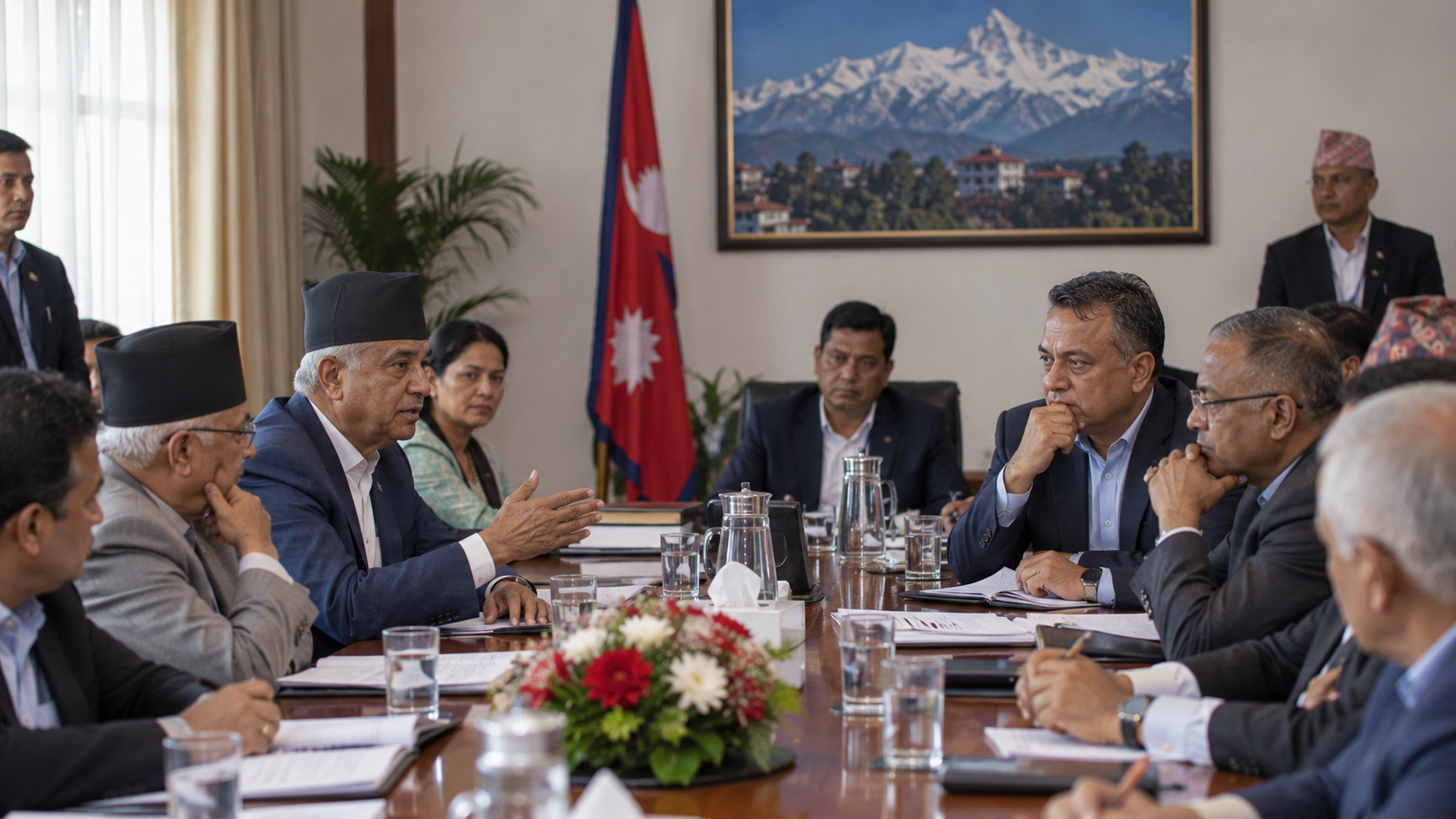
A significant group of leaders associated with former Nepali Congress president Sher Bahadur Deuba is moving toward participation in the party structure led by President Gagan Thapa, deepening divisions within the rival faction while opening a possible path toward reconciliation.
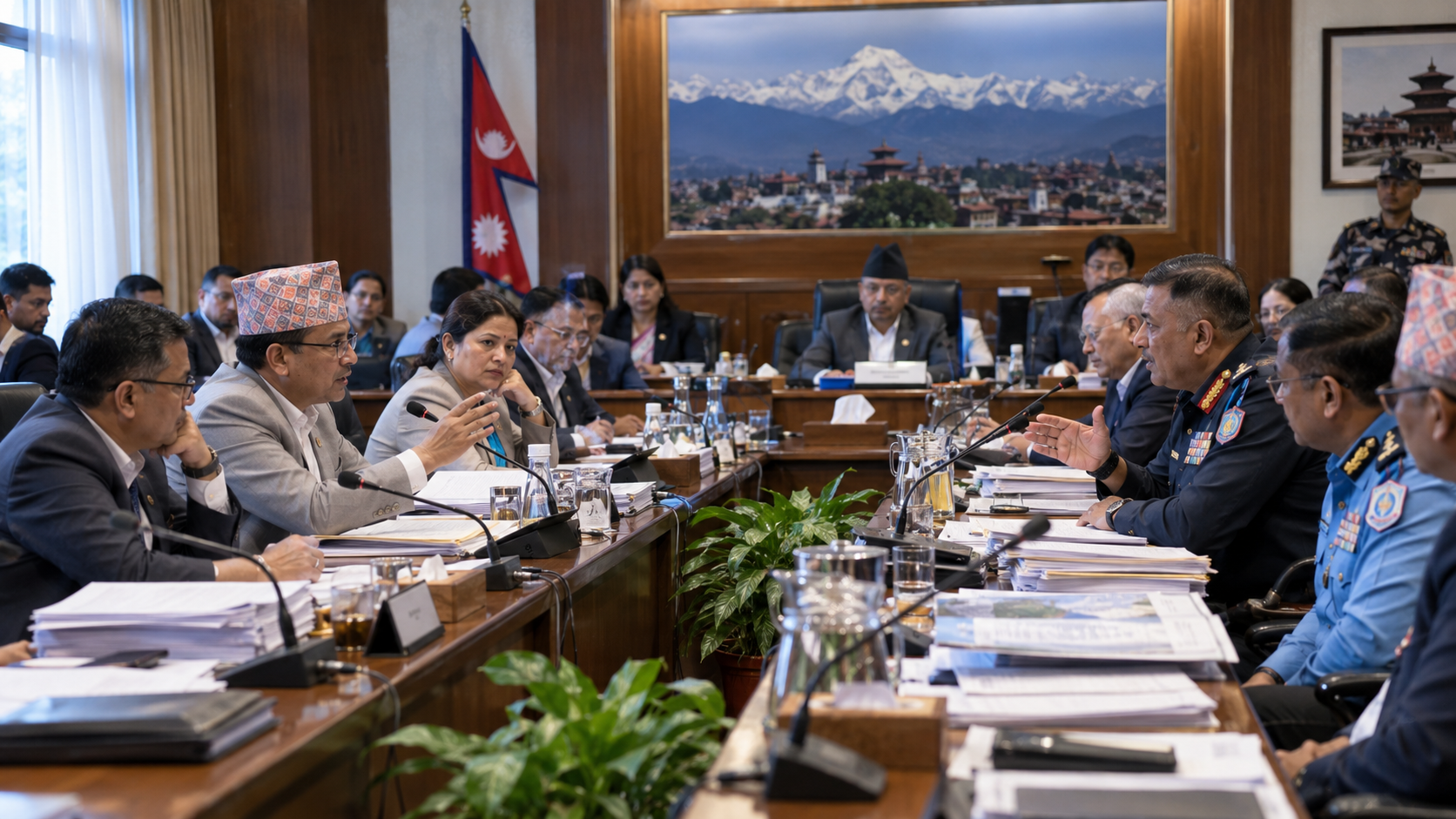
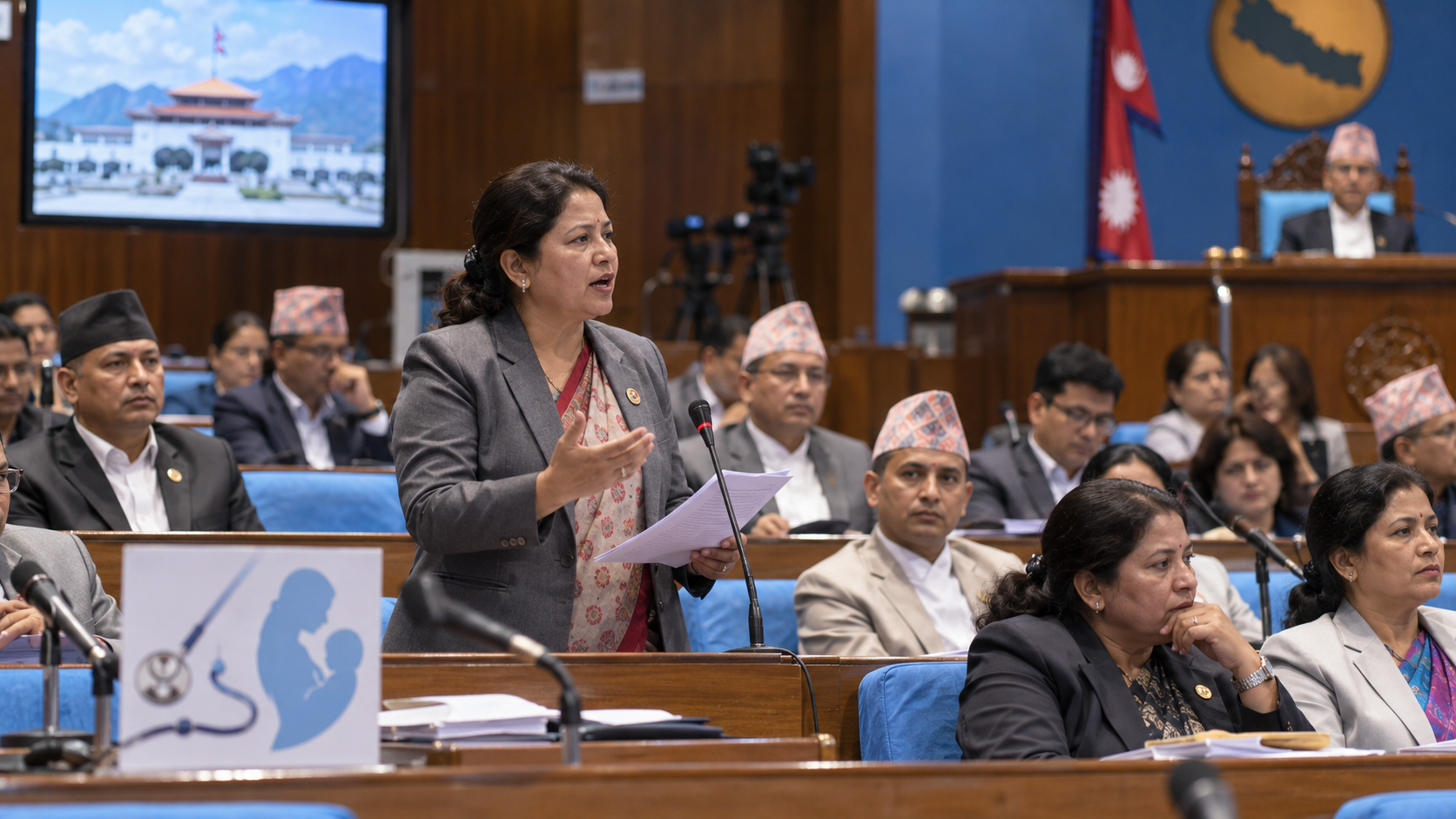
Thirty-one leaders who had been identified with the Deuba camp have indicated their intention to participate in the Thapa-led Central Working Committee and the party’s upcoming convention process. The development follows a decision by the Nepali Congress leadership to accommodate members of the previous Central Working Committee as part of efforts to prevent a formal organisational split.
The Nepali Congress Central Working Executive Committee agreed to make members of the Central Working Committee elected under Deuba’s leadership eligible to participate in the current committee, provided they take part in the convention process beginning on September 19.
The decision responds to several demands raised by the Deuba faction, including the integration of members associated with the previous and current committees and greater representation in committees responsible for organising the general convention, elections, statute drafting and disciplinary matters.
Party General Secretary Pradeep Paudel said the leadership wanted to bring back members who had been left outside the current committee after the special general convention.
The party has also indicated that it could make procedural adjustments to accommodate additional members if required.
The group of 31 leaders issued a joint statement calling for unity after efforts to reach an agreement between Deuba, senior leader Shekhar Koirala and the Thapa-led establishment failed to produce a broader settlement.
Among the leaders are former joint general secretary Mahalaxmi Upadhyay Dina, Gandaki Province Chief Minister Surendra Pandey and former Bagmati Province Chief Minister Indra Bahadur Baniya.
Other prominent names in the group include Jeevan Bahadur Shahi, Min Bahadur Bishwakarma, Ram Hari Khatiwada, Nain Singh Mahar, Sita Gurung and Shanti Pariyar.
According to one of the signatories, most members of the group are prepared to enter the Thapa-led committee. Other former central committee members are also reportedly in contact with the party leadership.
This could bring the number of former central committee members returning to the party headquarters to around 40.
The development represents a setback for the Deuba faction’s plan to organise a separate convention.
The Thapa-led Congress has scheduled ward-level conventions beginning September 19, followed by the 15th General Convention from October 2 to 5.
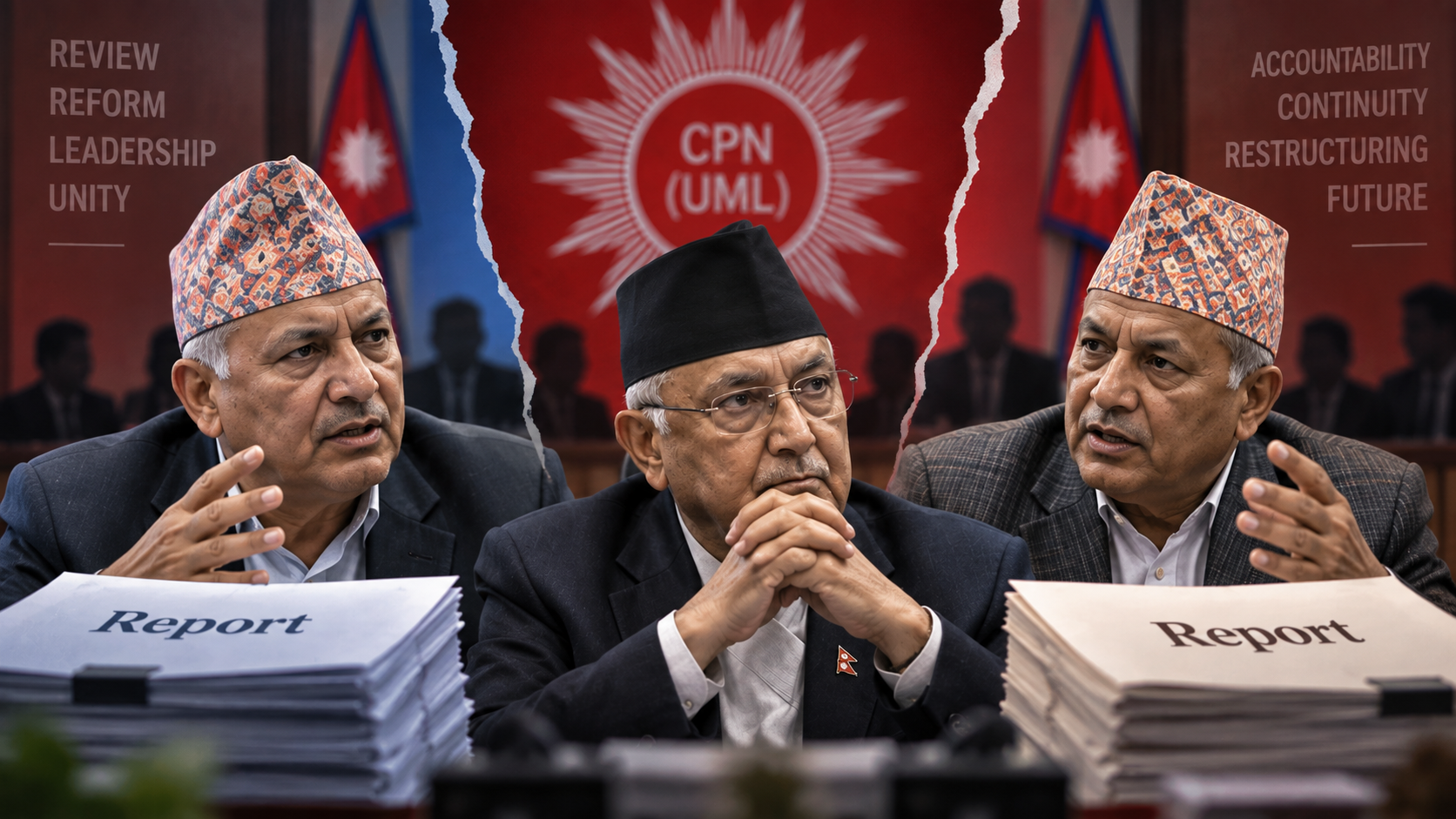
The Deuba faction had been preparing a separate organisational process, with its own proposed convention schedule. The competing plans emerged from the continuing disagreement over which leadership has the authority to conduct the 15th General Convention.
The latest accommodation has encouraged some leaders who were previously preparing to remain outside the Thapa-led process to reconsider their position.
The Deuba camp has also experienced an important internal shift involving Purna Bahadur Khadka.
Khadka, who previously served as acting president and had led the Deuba faction before Shashank Koirala took over coordination of its parallel convention preparations, has moved closer to the Thapa-led establishment after several of his demands were addressed.
Khadka had previously warned against turning the faction’s gathering into a separate convention, arguing that doing so could create a permanent division within the party.
His position has contributed to a widening difference inside the Deuba camp over whether the party should pursue a parallel convention or return to a common organisational process.
Despite the latest movement toward unity, the fundamental dispute over the party’s leadership and convention process has not disappeared.
The Supreme Court in August allowed a review of its earlier ruling that had recognised the Thapa-led leadership. The review reopened the legal dispute but did not immediately remove Thapa or invalidate the current Central Working Committee.
Deuba-aligned leaders continue to argue that the convention should be conducted under the committee elected by the 14th General Convention and that the process should not move forward while the court review remains unresolved.
Deuba himself has reportedly remained unwilling to accept a convention conducted under Thapa’s leadership unless a political agreement is reached.
Meanwhile, Shekhar Koirala’s group has also maintained reservations about participating in the convention process beginning September 19.
The latest developments suggest that the Nepali Congress may be moving away from an immediate organisational split, although a complete settlement remains uncertain.
Bringing former committee members into the current structure could reduce one of the practical disputes between the factions and allow leaders to focus on the larger question of how the party’s next convention should be conducted.
For Thapa, accommodating rival leaders could help establish a broader convention process and prevent the party from entering competing organisational structures.
For the Deuba camp, however, participation in the Thapa-led process does not necessarily mean that all disagreements over party legitimacy and leadership have been abandoned.
The coming weeks will therefore be important for determining whether the latest compromise develops into a genuine unity arrangement or merely brings some leaders into the official convention process while leaving the central leadership dispute unresolved.
Comments
0 comments
Loading comments...