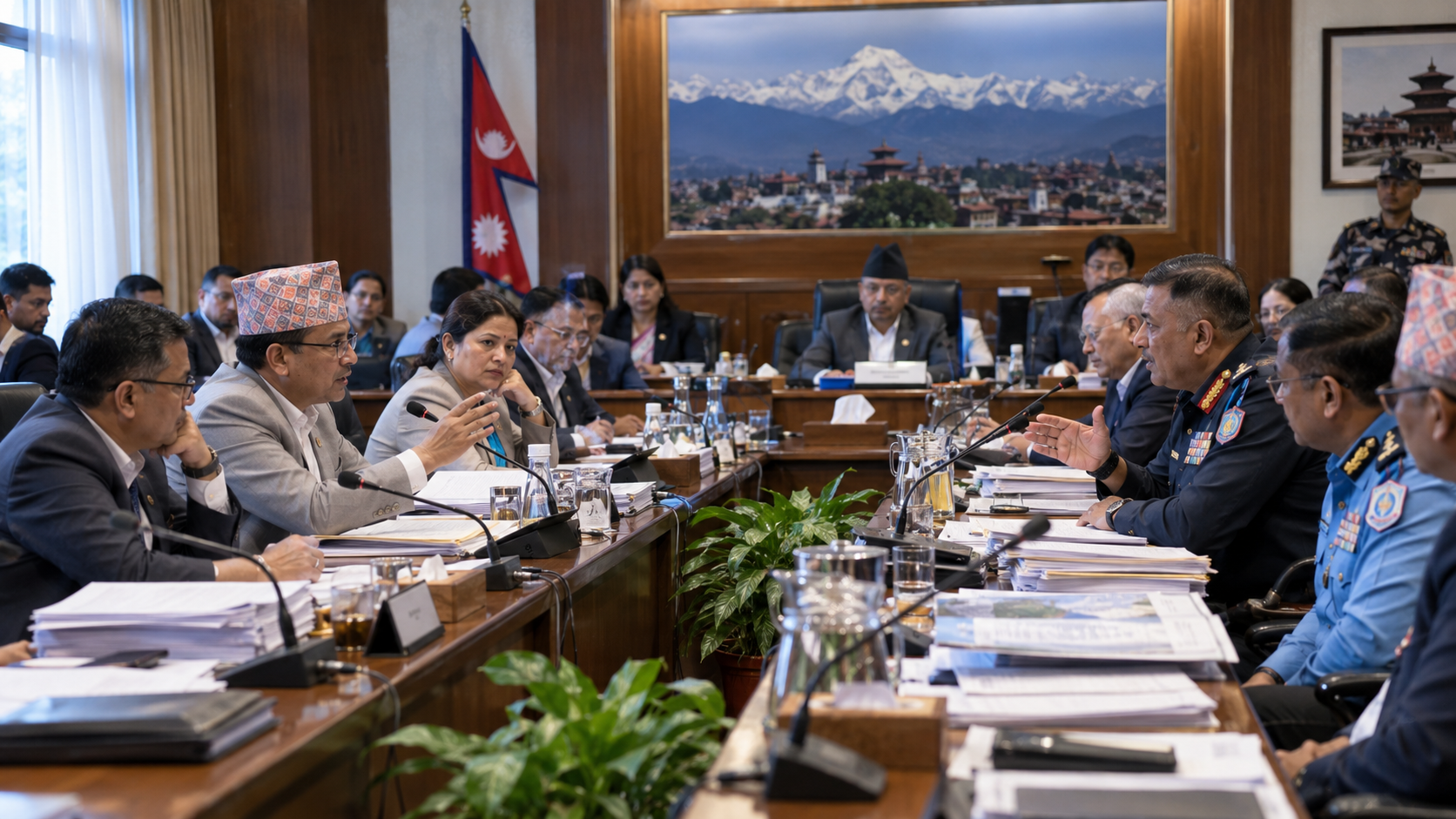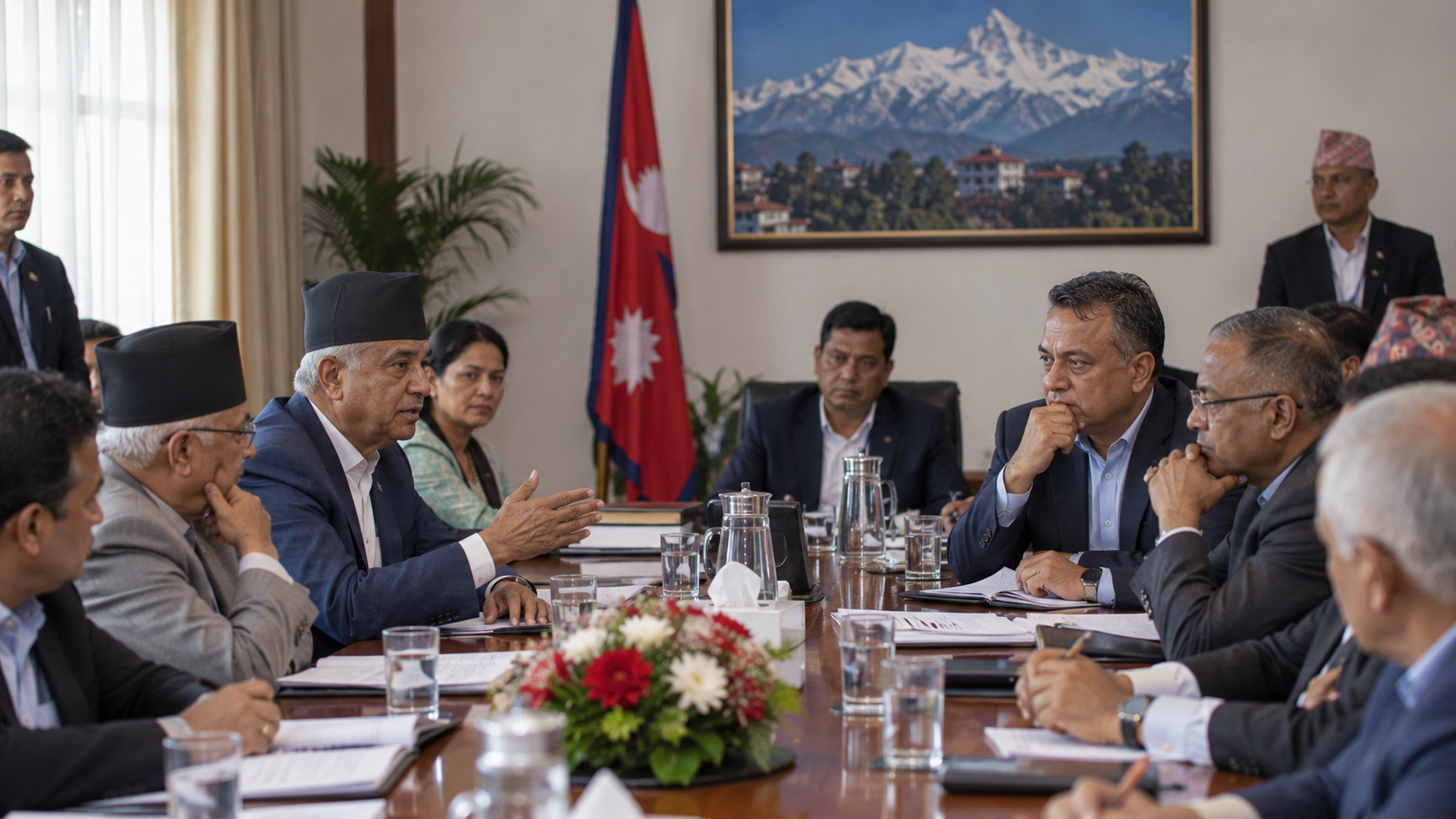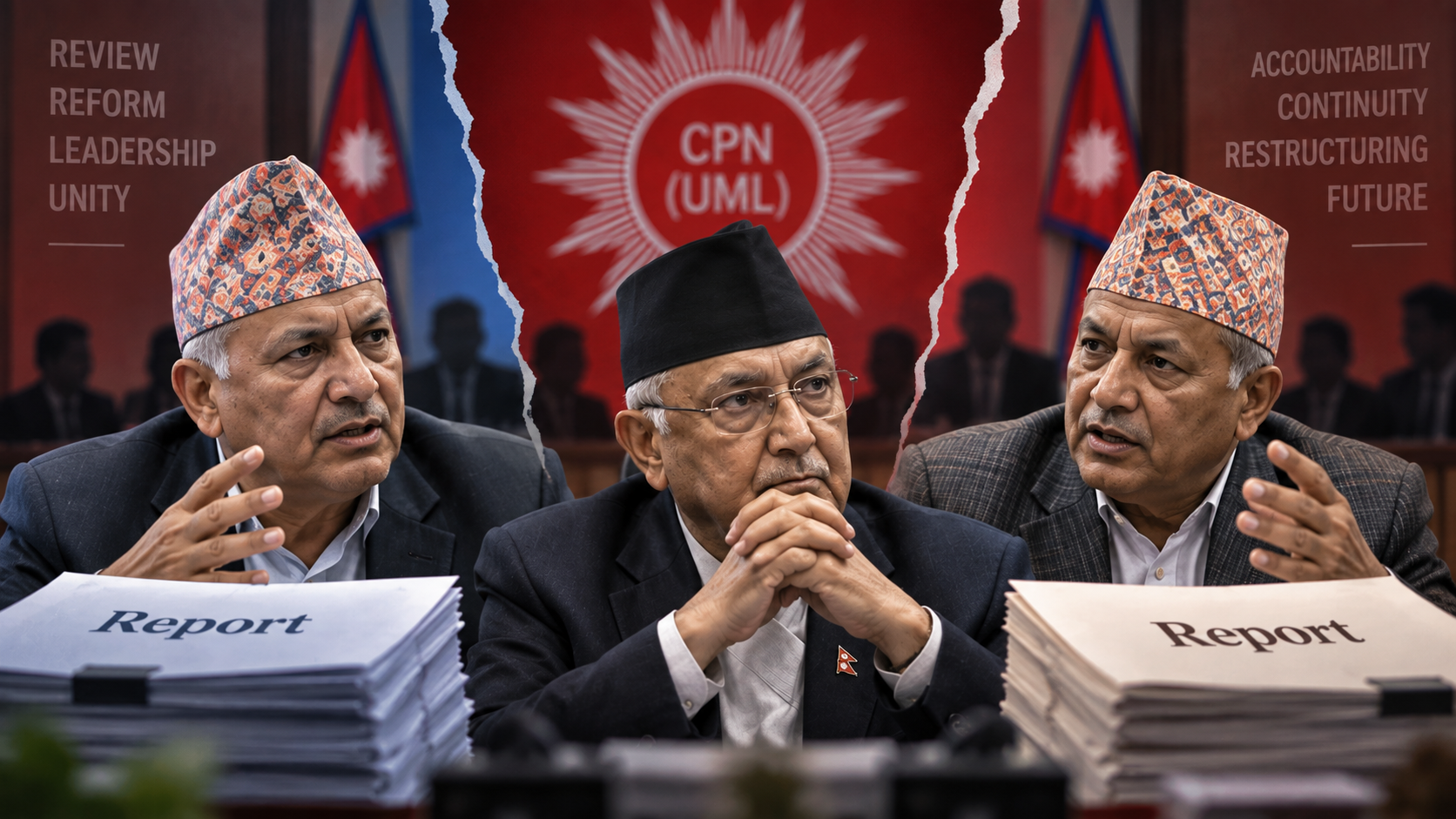
The internal dispute within the CPN-UML has deepened after the party’s election review and reorganization task force received two sharply different reports, setting the stage for a contentious discussion over the party’s future direction and leadership.
The task force is scheduled to discuss the reports, one prepared by General Secretary Shankar Pokharel and another by Vice-Chair and task force coordinator Ram Bahadur Thapa ‘Badal’. The two documents take fundamentally different positions on the reasons behind UML’s poor performance in the February 21 election and whether Chairman KP Sharma Oli should bear responsibility.
Pokharel prepared his report after collecting feedback from party leaders and cadres across the country. The 65-page document reportedly argues that the party’s electoral defeat requires serious organizational and leadership review.
The report places significant responsibility for the election setback on the existing leadership and has been interpreted as supporting a process of leadership transition and party restructuring.
The position has generated strong resistance from the Oli camp, which argues that the election result should not automatically be used as a justification for removing a chairman elected at the party’s 11th General Convention.
In response, Badal has prepared a separate 39-page report defending Oli and rejecting the argument that the chairman should step down.
The report argues that removing Oli based on the results of a single election would undermine the mandate he received at the 11th General Convention, where he won roughly 75 percent of the vote. It also rejects proposals for an immediate leadership change and questions whether the party should move toward a special convention or representative council meeting for restructuring.
Badal's report also disputes the interpretation of the February election defeat. Instead of treating it primarily as a failure of UML leadership, it attributes the result to the political turmoil surrounding the Gen Z movement, the dissolution of Parliament and what it describes as domestic and foreign interference. These are claims made in the report and remain politically contested.
Another major point of disagreement concerns the party's rules on leadership tenure.
The Pokharel camp has raised questions about the removal of the 70-year age limit and two-term limit for the party chairperson. Badal, however, has defended the decision to remove those restrictions, arguing that such provisions are not necessary and citing changes in other communist parties as examples.
The disagreement reflects a broader generational and organizational debate within UML over whether the party should maintain its existing leadership structure or open the way for greater leadership transition.
The task force is expected to finalize its position after discussing both documents. Following the task force process, the issue will move to the party secretariat and eventually to the central committee for further discussion.
The presentation of two competing reports has effectively exposed the depth of the disagreement inside Nepal's largest traditional communist party. While one side is pushing for accountability and organizational change, the other is defending Oli's leadership and arguing that the election defeat was largely the product of extraordinary political circumstances.
The coming discussions could therefore become an important test of whether UML chooses leadership continuity or internal restructuring following its disappointing election performance.
Tags: CPN-UML, KP Sharma Oli, Shankar Pokharel, Ram Bahadur Thapa Badal, Nepal Politics, UML Crisis, Party Reorganization, Nepal Election
Comments
0 comments
Loading comments...