A year after Nepal’s Gen Z movement, questions over justice, recognition and government engagement with the families of those killed and injured have resurfaced in Parliament.
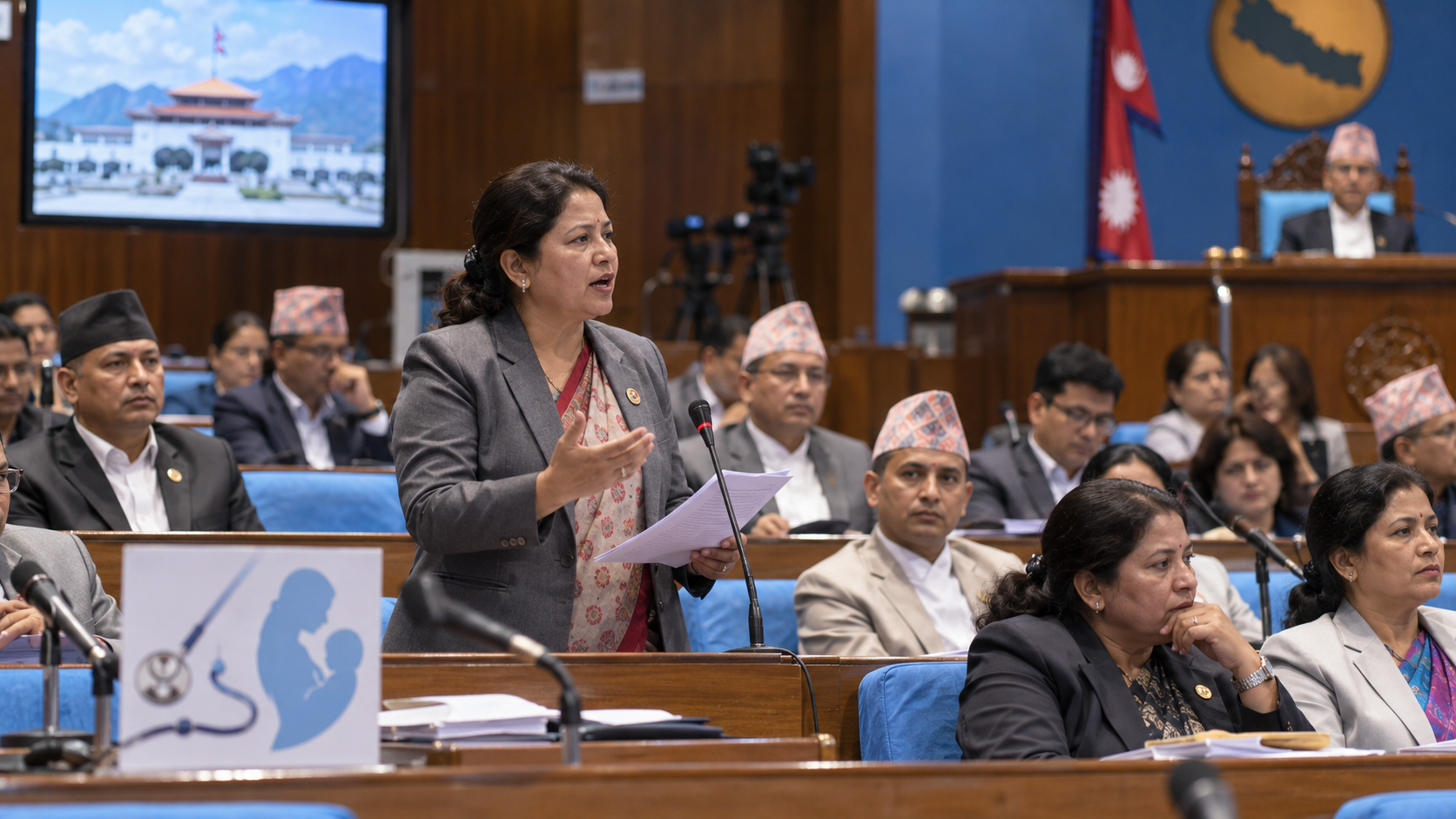
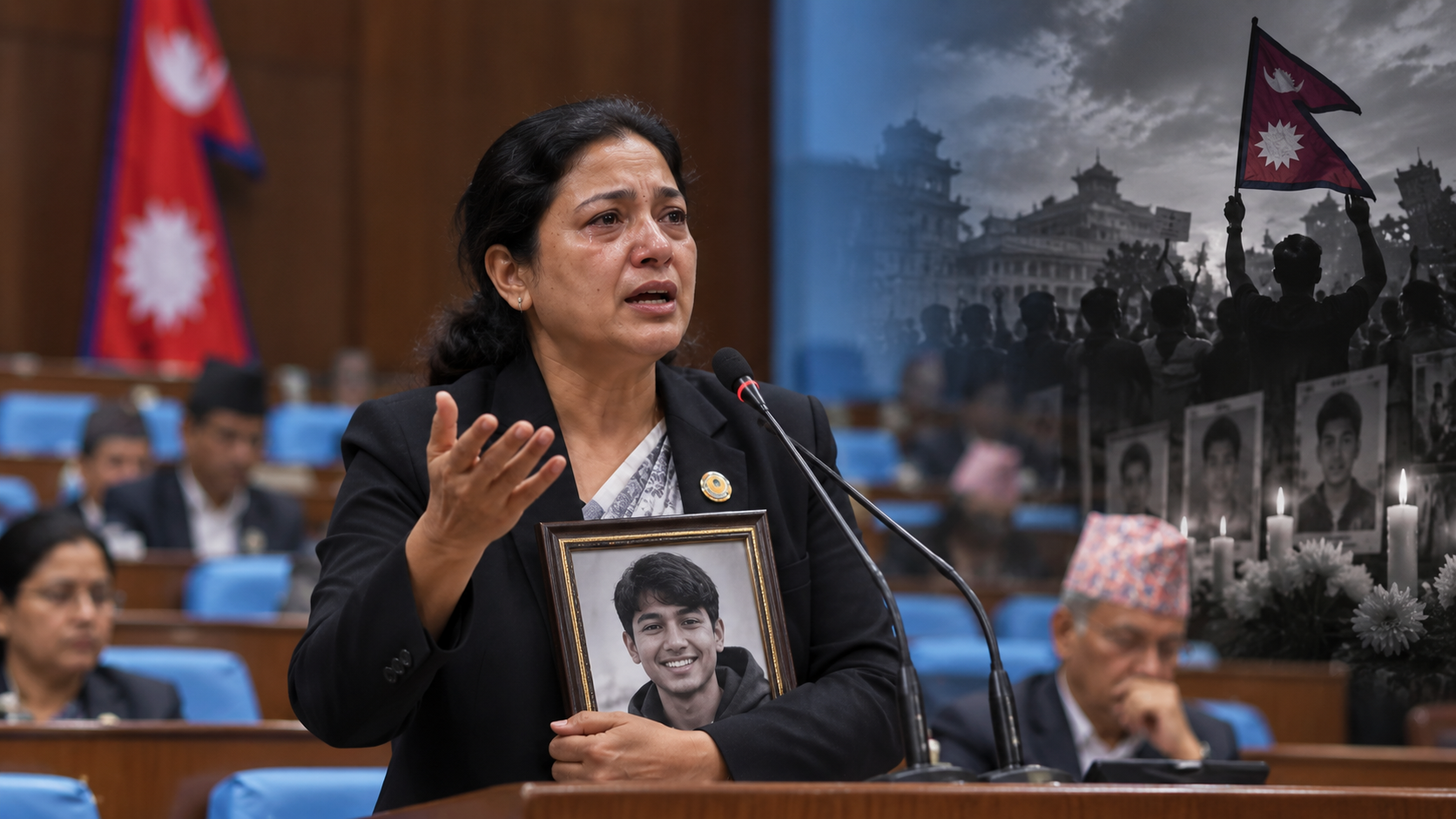
Rachana Khatwida, the mother of Gen Z movement martyr Rasik Khatwida and a lawmaker from the Rastriya Swatantra Party, criticised the government during Wednesday’s meeting of the House of Representatives, questioning how long families would have to wait to receive justice and even meet the prime minister.
“How many years will it take for the martyrs to get justice? How many years will it take to meet the families of martyrs and the injured?” Khatwida asked the government in Parliament.
Khatwida also criticised Prime Minister Balendra Shah for what she described as a delayed response to the families of those who died during the Gen Z movement.
She said that although a year had passed since the movement, the prime minister had not met the families of the martyrs and injured protesters and had not attended a memorial programme organised in their honour.
Khatwida also questioned why it took the prime minister a full year to publicly pay tribute to those who lost their lives.
According to Kantipur, Shah posted a tribute on social media on Tuesday evening, writing that good governance would be established and offering his respects to the Gen Z martyrs.
Khatwida's criticism carries a personal dimension because her son, Rasik Khatwida, was among those who died during the movement.
Speaking in Parliament, she recalled repeatedly requesting the prime minister to attend or say something in memory of the Gen Z martyrs.
She said that after waiting from morning until evening, a social media statement finally appeared, but only after the first anniversary of the movement.
Her remarks have highlighted a broader concern among families of victims: that commemoration alone is not enough and that the government must also address questions of justice, accountability and support.
The Gen Z movement of September 2025 became a major turning point in Nepal's political history, leaving dozens dead and many others injured.
One year later, the physical damage caused during the unrest is being repaired, but questions surrounding the deaths and injuries remain politically sensitive.
For families of those who died, justice is not limited to official recognition as martyrs. They are also seeking accountability for the circumstances that led to the deaths and meaningful engagement from the state.
Khatwida's intervention in Parliament therefore puts the issue directly before the government: when will the families of those who sacrificed their lives actually receive answers?
The criticism comes as Nepal marks the first anniversary of the Gen Z movement.
The anniversary has renewed debate over whether the political changes that followed the uprising have delivered the accountability and good governance that protesters demanded.
For families of victims, however, the anniversary is also deeply personal. Their focus remains on the people they lost, those still living with injuries and the search for justice.
Khatwida's questions now add pressure on the government to demonstrate that the sacrifices made during the movement will not be remembered only through speeches and social media posts.
The larger test, as raised in Parliament, is whether the government can turn promises of good governance and justice into concrete action for the families directly affected by the movement.
HamroBichar will continue to follow developments concerning Gen Z movement victims, their families and the government's response to demands for justice and accountability.
Tags: Gen Z Movement, Nepal Politics, Gen Z Martyrs, Rachana Khatwida, Balendra Shah, Justice, Nepal Parliament, Martyr Families, Gen Z Protest
Comments
0 comments
Loading comments...