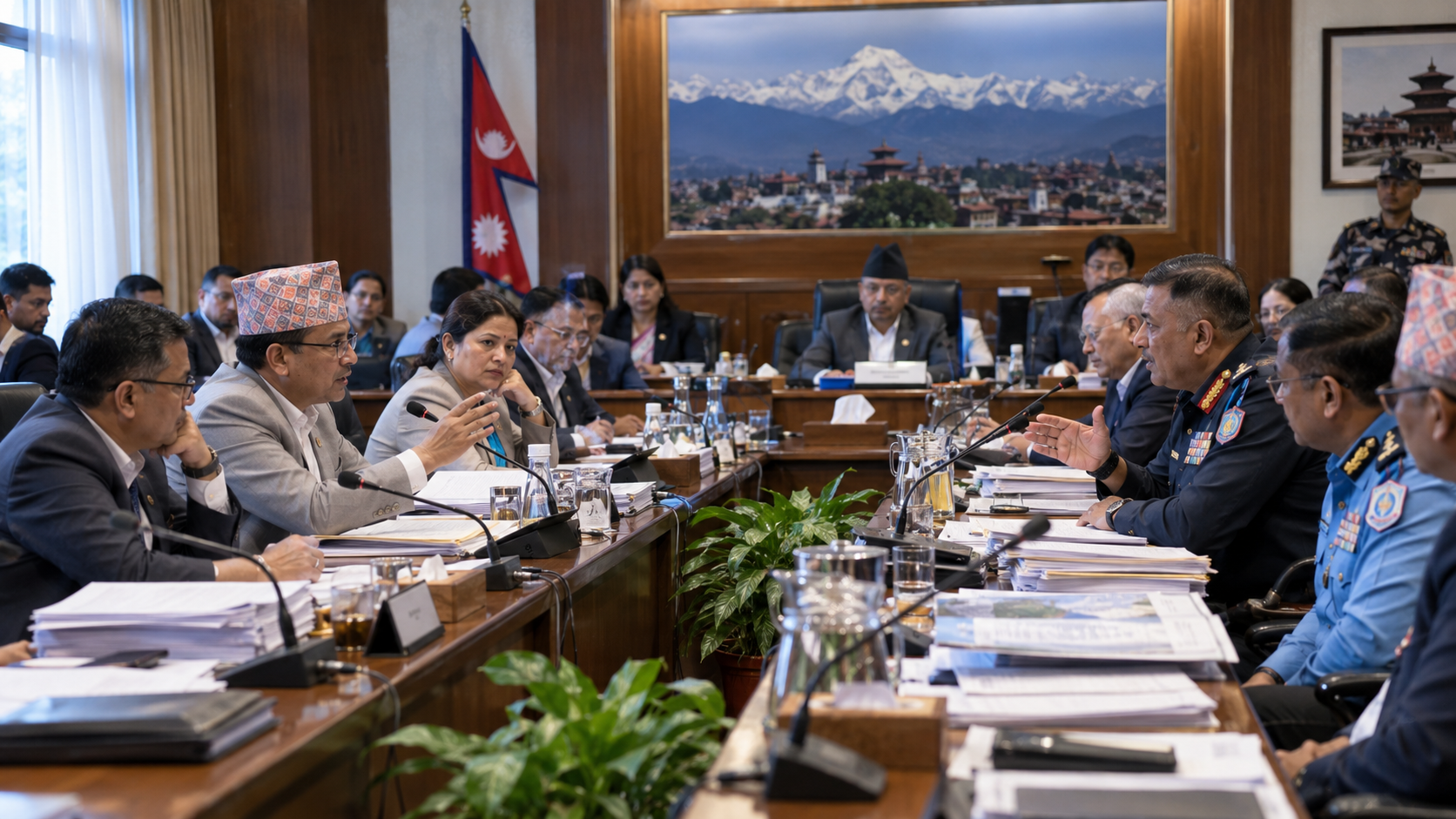
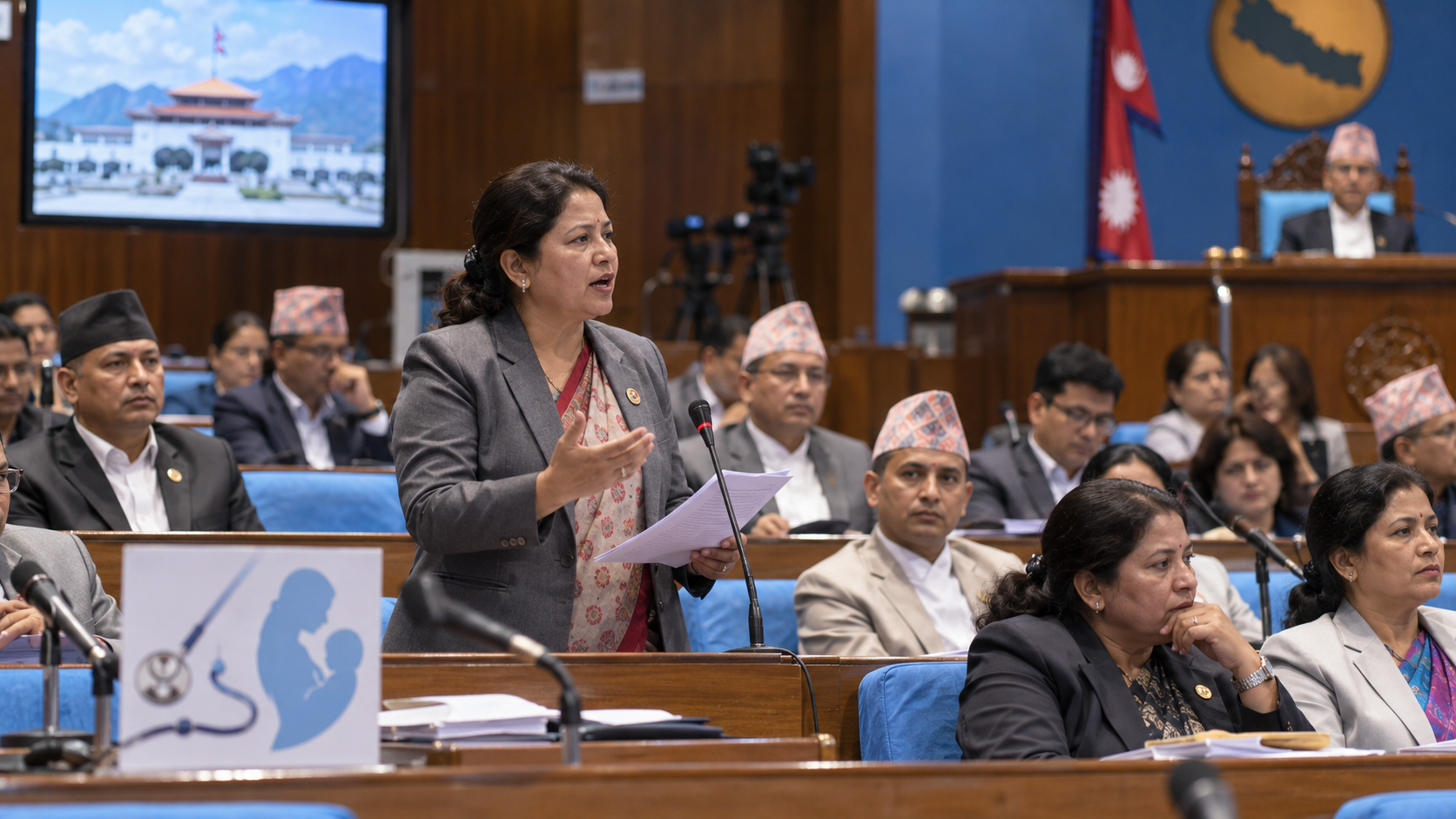
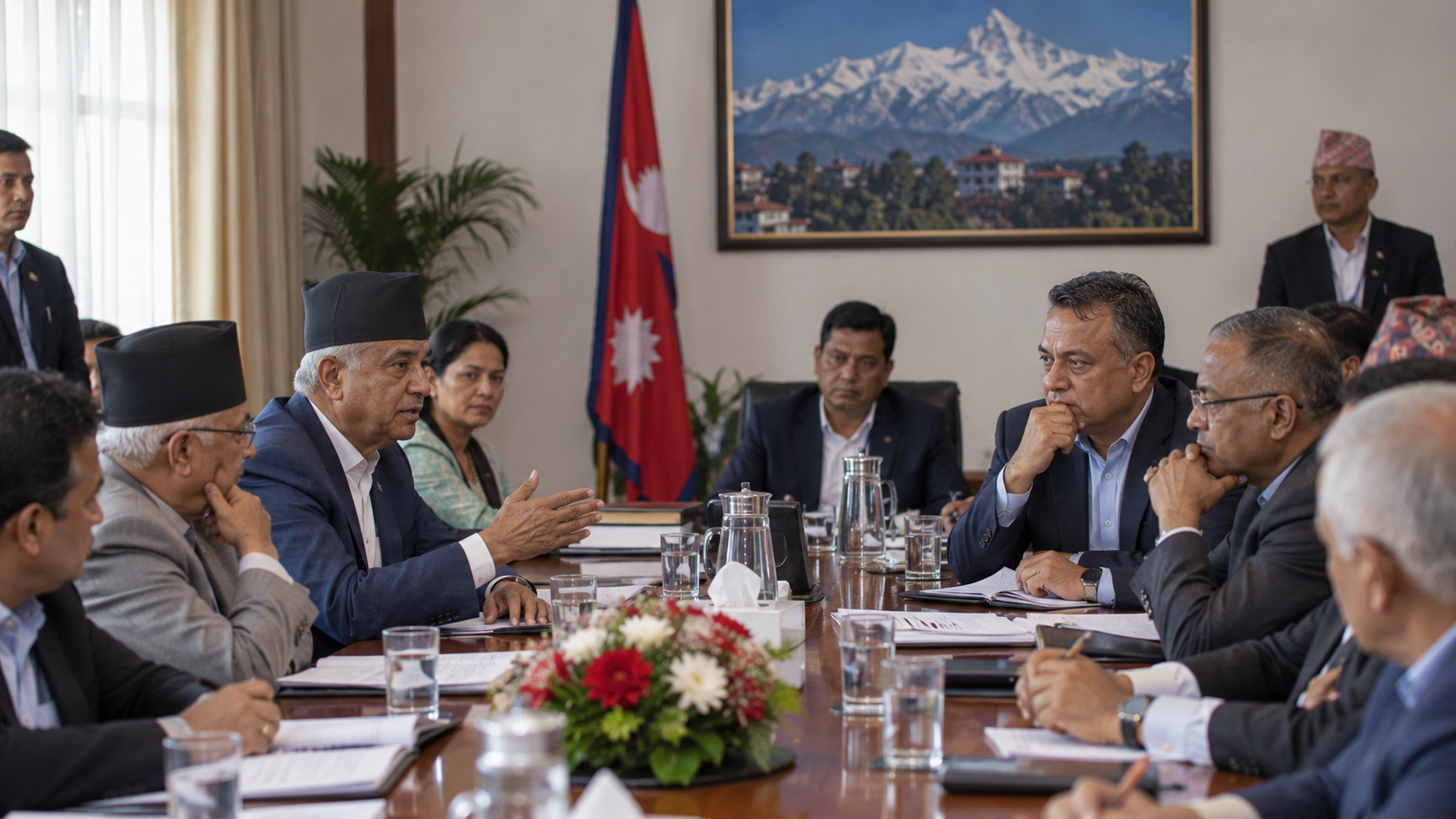
6 May Kathmandu The Government of Nepal is preparing a plan for a major overhaul of the administrative system that would reduce the number of federal ministries from 21 to 17 as part of its broader efforts to improve governance efficiency and cut state spending.
The proposal, officials at the Prime Minister’s Office said, was based on recommendations made by a task force set up by the government to study ways to streamline the federal structure.
🏛️ Why the Government Desires Fewer Ministries
Officials said the restructuring is meant to:
- Eliminate administrative duplication
- Reduced operating costs
- Improve inter-ministerial coordination
- Accelerate public sector service delivery
Economists say the reform could save the government between Rs 160 billion and Rs 200 billion annually, mainly through the elimination of overlapping structures and administrative costs.
The expansion of ministries has been a contentious issue in Nepal for a long time as coalition politics often led to larger cabinets formed to accommodate multiple political parties. Critics said it drove up costs and made things less efficient.
⚙️Ministries to be merged or removed
There are reports that several ministries could be merged or scrapped in the new structure. Reportedly, discussions include:
- Education merges with Youth and Sport
- Urban Development Combined with Physical Infrastructure
- Certain administrative functions to be placed directly under the Prime Minister’s Office
The Ministry of Federal Affairs and General Administration will also be re-organized.
The restructuring process is now in its final stages, officials say.
📋 Part of a Broader Reform Agenda
The proposal is tied to the government's overall reform agenda announced after Prime Minister Balendra Shah assumed office earlier this year. The roadmap includes:
- Civil service reform
- Simplification of administration
-Reducing political influence in state institutions
- Quicker service delivery systems
The government has also been doing:
- A new act on the civil service
- Open competition for ambassadorial postings
- Revisions to the governance structure
⚠️ Challenges Ahead
Many experts agree that unnecessary bureaucracy needs to be cut but some caution that the reorganization of ministries needs to be carefully done to avoid:
- Bureaucratic muddle
- Disruption of service
- Overconcentration of power
Policy analysts say that appropriate transition planning will be critical to ensure smooth coordination between the merged ministries.
📊 Public and Political Response
The proposal has met with mixed reactions.
Supporters believe a slimmer government could:
- more efficient
- Cut out wasteful spending
- Increased accountability
But critics argue that structural changes alone may not fix deeper governance problems unless they are coupled with institutional reform and robust implementation.
📌 Abstract
The latest move to reduce the federal ministries to 17 is one of the biggest administrative restructuring exercises in recent years in Nepal.
Done right, the move could transform the way the federal government works, creating a leaner and potentially more efficient state structure. But the success of the reform will depend to a large extent on execution, coordination and political commitment.
Tags: Nepal Government Reform, Federal Ministries Nepal, Administrative Restructuring Nepal, Nepal Politics
🌐 https://hamrobichar.com/
📧 info@hamrobichar.com