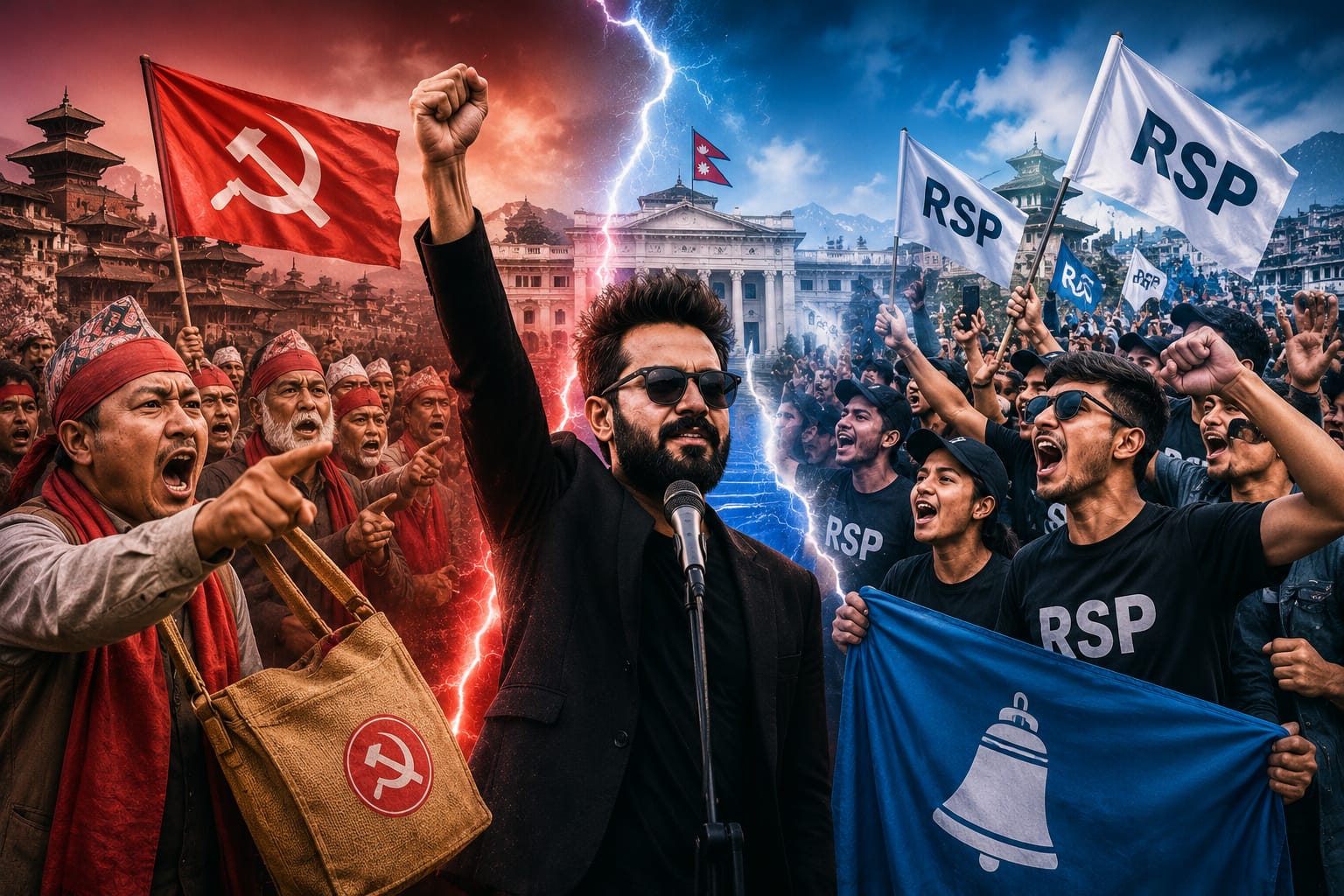
15 May Kathmandu Nepal’s political landscape is witnessing a new and increasingly intense form of polarization following the dramatic rise of the Rastriya Swatantra Party (RSP) and the massive popularity of Prime Minister Balendra Shah, widely known as Balen.
Political analysts say the country is no longer divided only by ideology, caste, class, or geography. Instead, a new social and political divide is rapidly emerging between supporters of the anti-establishment RSP movement and those associated with Nepal’s traditional political parties — often mocked online as “jholeys.”
The term “jholey,” originally referring to loyal party workers carrying traditional side bags during political activities, has increasingly become a derogatory label used by some RSP supporters against people seen as defenders of Nepal’s old political system.
⚡ Rise of a New Political Identity
The RSP’s historic electoral victory in 2026 transformed Nepal’s political environment almost overnight.
Led by former Kathmandu mayor and rapper-turned-politician Balendra Shah, the party secured a landslide majority after youth-led protests and anti-corruption movements reshaped national politics.
For many young voters, the RSP became more than just a political party — it evolved into a symbol of:
- Anti-corruption politics
- Generational change
- Rejection of old political elites
- Frustration with decades of instability
At the same time, critics argue that strong emotional loyalty toward the movement has also created an aggressive “us versus them” political culture.
📱 Social Media Driving Political Polarisation
Much of the new polarization is unfolding online.
Platforms such as:
- Facebook
- TikTok
- X (Twitter)
- YouTube
have become battlegrounds between RSP supporters and defenders of traditional political parties.
Political discussions increasingly turn hostile, with:
- Personal attacks
- Labeling
- Mockery
- Online harassment
becoming common features of Nepal’s digital political culture.
Analysts say social media algorithms are further intensifying political tribalism by rewarding emotionally charged content and outrage-driven engagement.
🧑🎓 Youth vs Old Political Establishment
The divide also reflects a deeper generational conflict inside Nepal.
Large numbers of young Nepalis believe traditional parties failed to:
- Create jobs
- Control corruption
- Improve governance
- Modernize institutions
Many RSP supporters see themselves as part of a reform movement trying to dismantle decades of political patronage and elite control.
Meanwhile, supporters of older parties argue that:
- Democratic institutions require stability
- Experience matters in governance
- Populist politics can become dangerous
The result is a rapidly widening trust gap between political generations.
⚠️ Critics Warn About Intolerance
Some intellectuals and political observers are becoming increasingly concerned that Nepal’s new political environment is leaving less space for:
- Debate
- Nuance
- Critical discussion
Experts warn that political identity is becoming emotionally rigid, where:
- Criticism of RSP is viewed as defending corruption
- Support for traditional parties is automatically labeled “jholey politics”
Analysts fear this binary mindset could weaken democratic culture and reduce healthy political discourse.
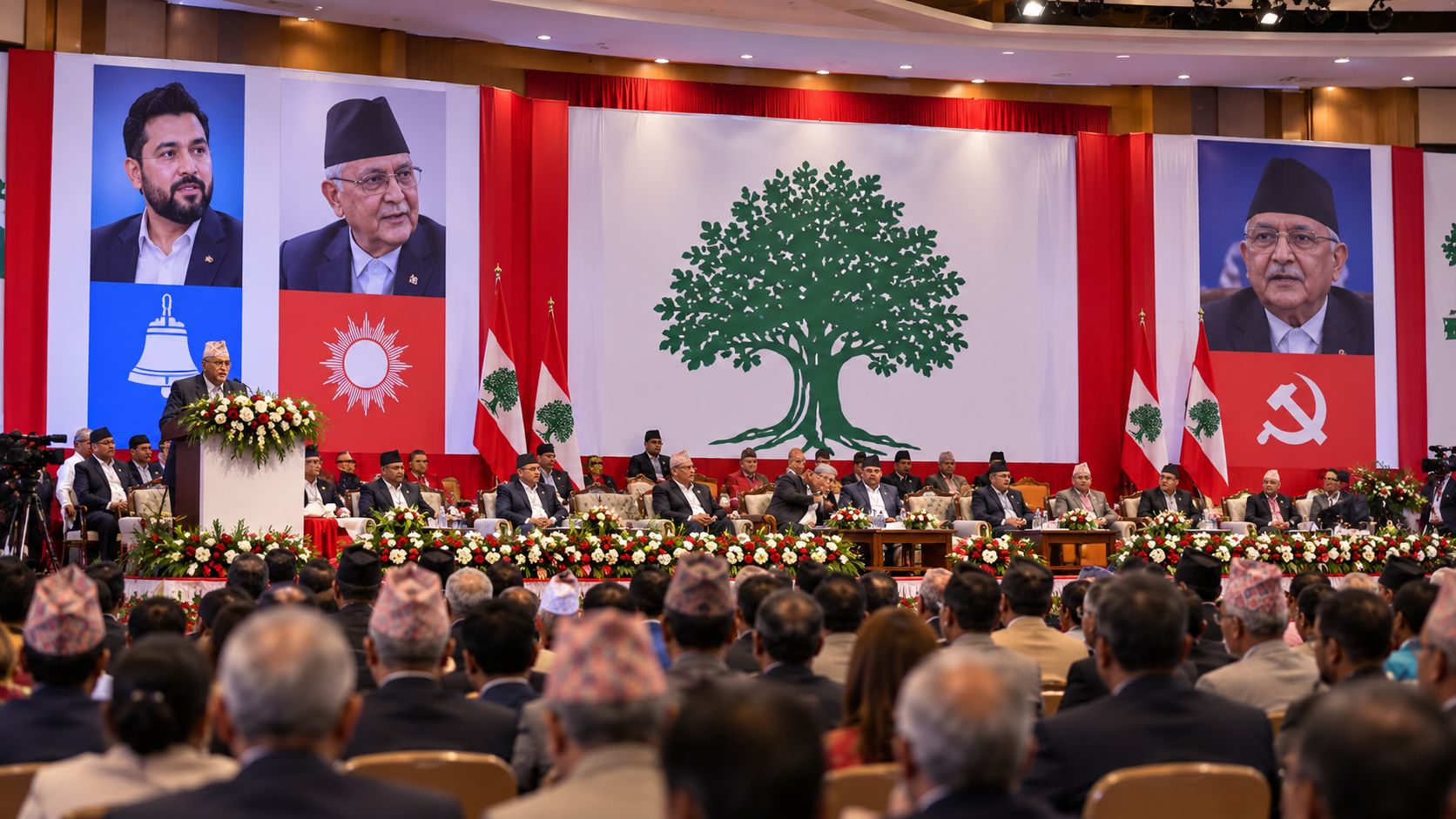
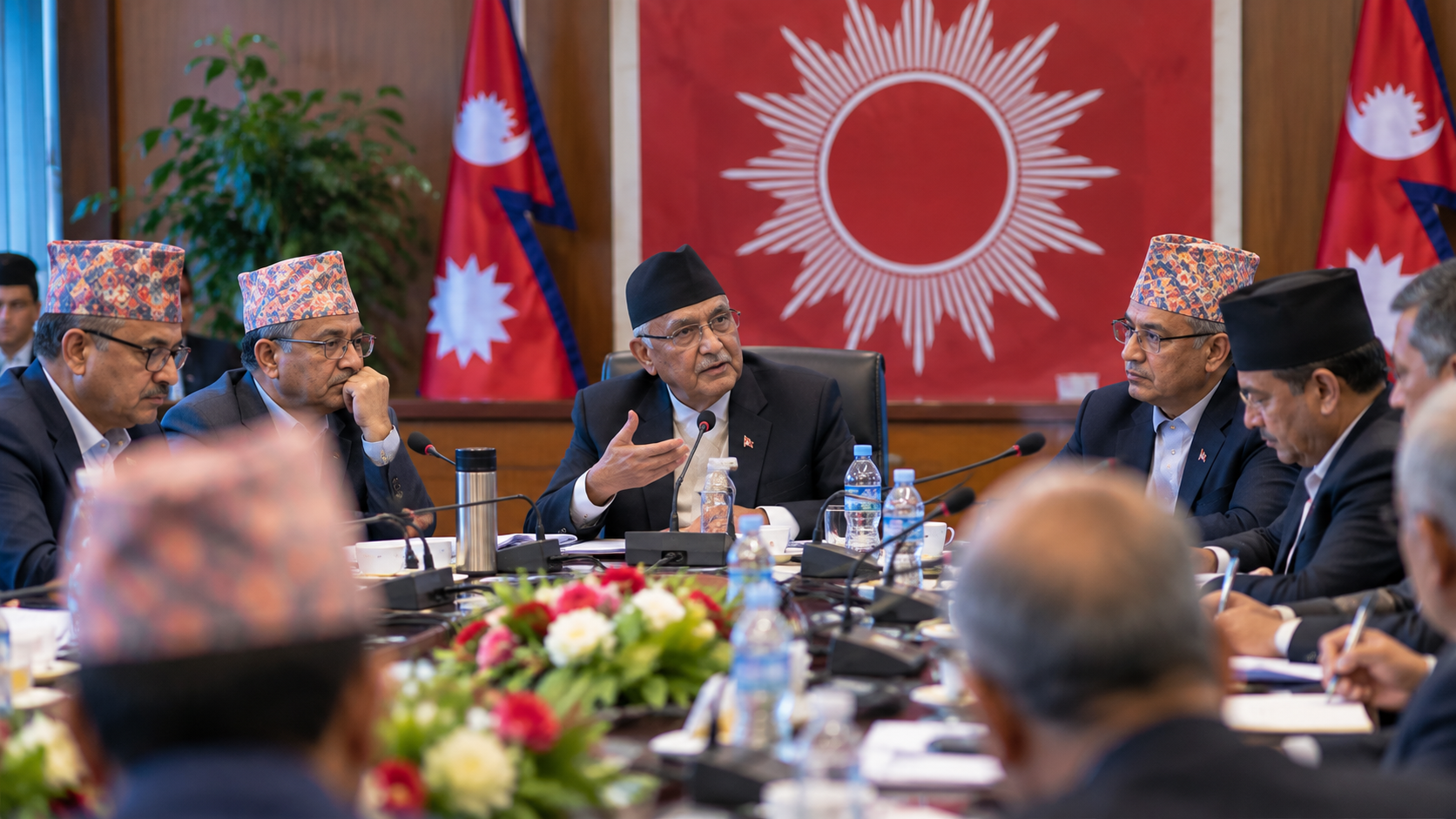
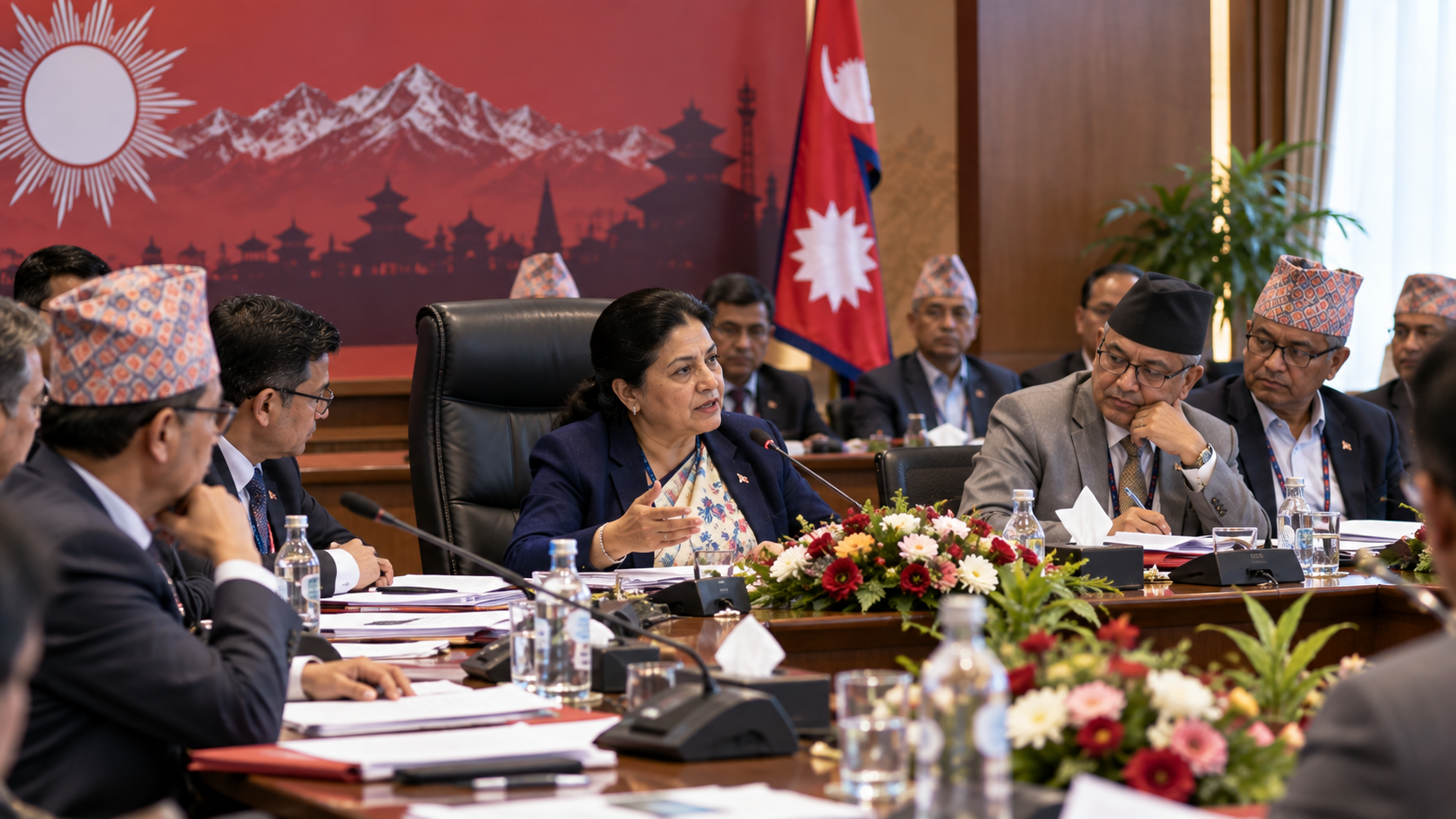
🏛️ Traditional Parties Facing Identity Crisis
Nepal’s older parties, including:
- Nepali Congress
- UML
- Maoist Centre
have struggled to respond effectively to the rise of RSP and anti-establishment politics.
The traditional political establishment suffered major electoral losses in 2026 as public frustration exploded following years of instability and corruption allegations.
Many senior leaders are now facing pressure to:
- Reform party structures
- Attract younger voters
- Modernize leadership
- Rebuild public trust
🌍 A Wider Global Trend
Political experts note that Nepal’s growing polarization reflects a broader global pattern seen in many democracies where:
- Populist movements
- Social media activism
- Anti-establishment politics
are reshaping traditional political systems.
Similar divides between “system supporters” and “outsider reform movements” have emerged in several countries over the past decade.
📌 Conclusion
The rise of the RSP has not only transformed Nepal’s electoral politics — it has also reshaped the country’s social and political identity.
While supporters see the movement as a necessary revolution against corruption and stagnation, critics warn that growing hostility between political camps could deepen division and weaken democratic dialogue.
As Nepal enters a new political era under Balen Shah and the RSP, the challenge may not only be governance — but also whether the country can maintain political disagreement without turning society into permanently opposing camps.
Tags: RSP Nepal, Balen Shah, Nepal Politics, Political Polarisation Nepal, Jholey Debate
🌐 https://hamrobichar.com/
📧 info@hamrobichar.com