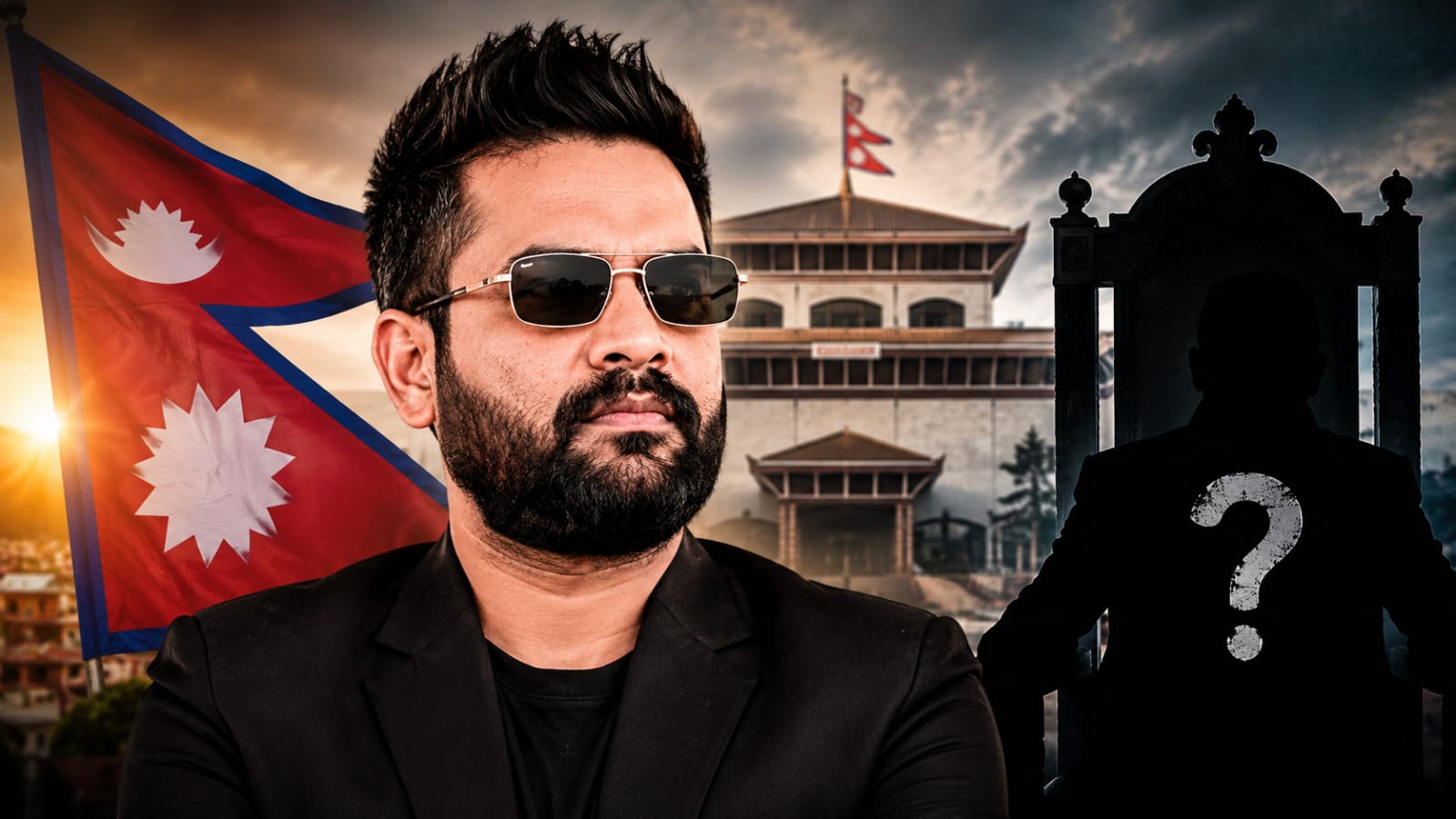
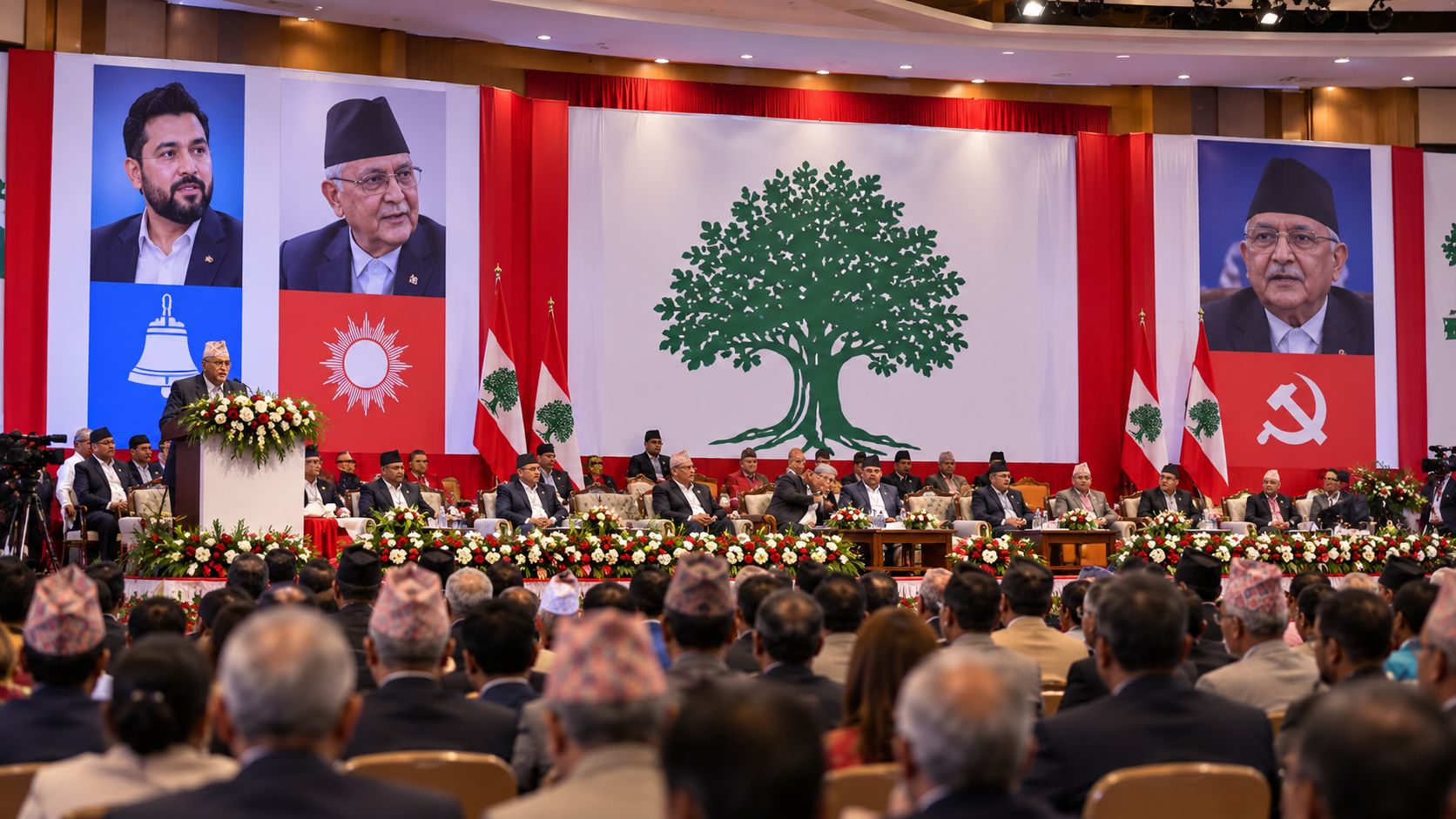
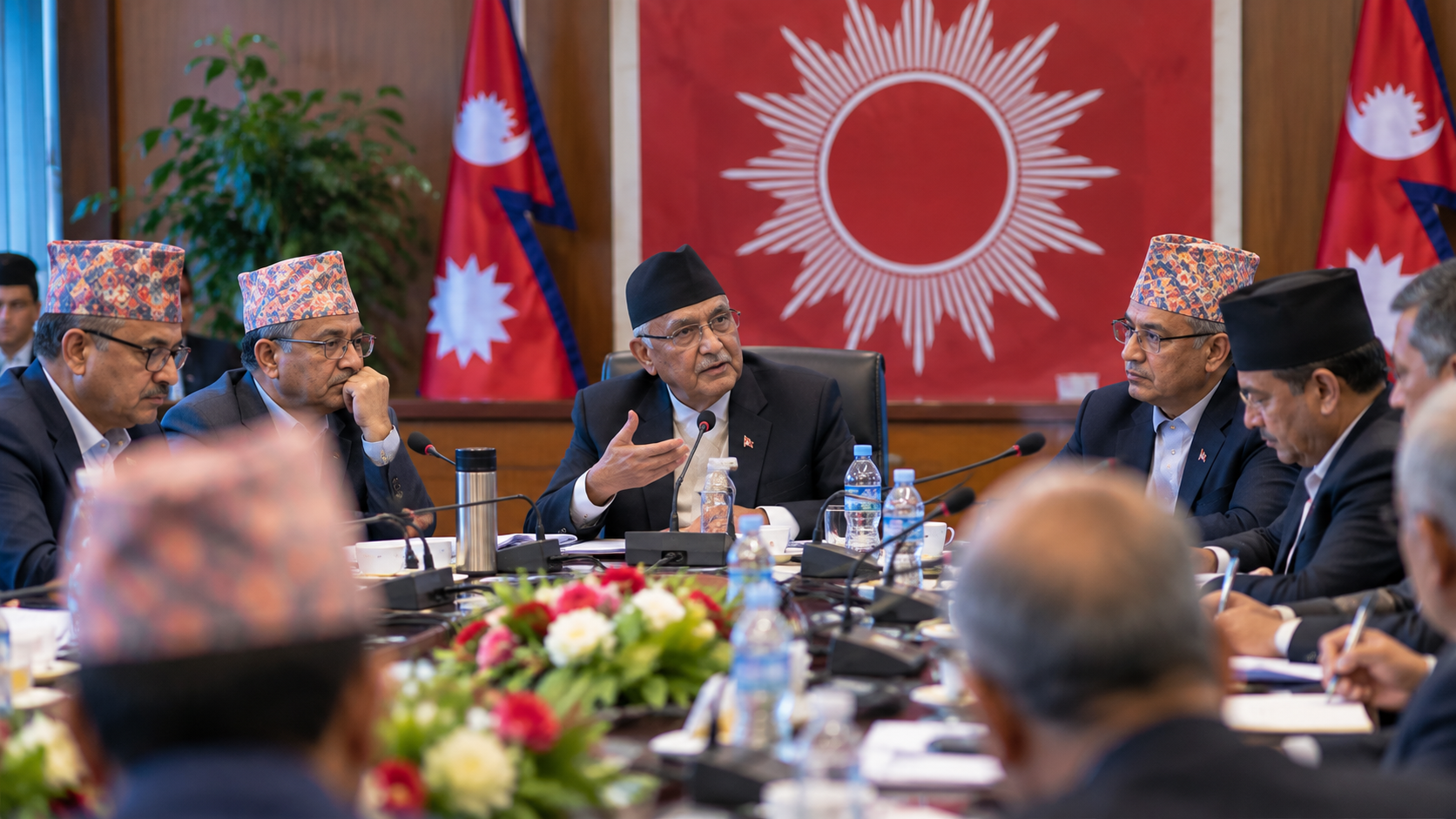
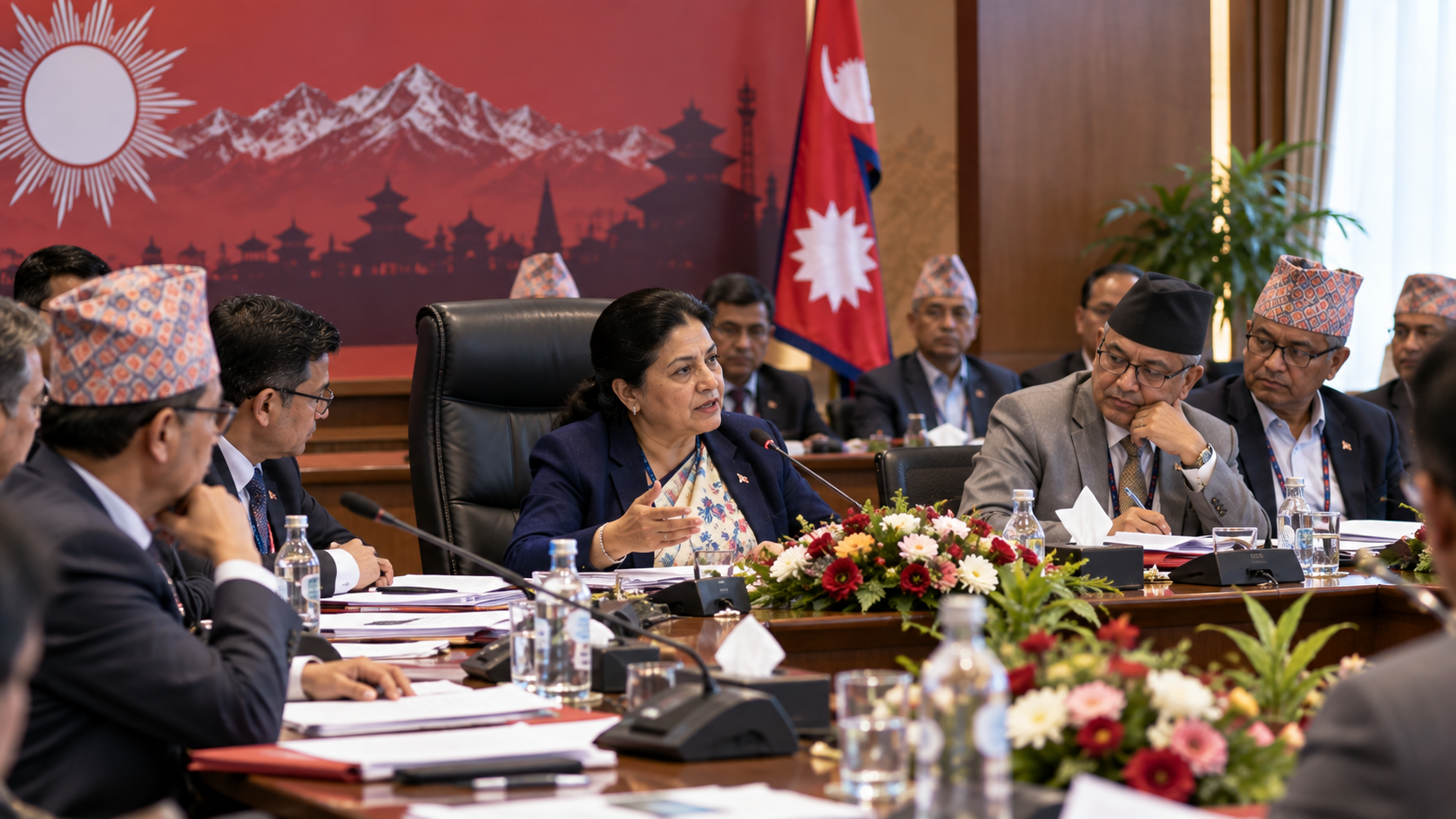
14 May Kathmandu There is a rising political debate in Nepal over the leadership style of Prime Minister Balendra Shah with critics warning that his increasingly centralised way of taking decisions echoes tendencies that have been displayed in the past by some of the country’s more authoritarian political figures.
The debate has gained further momentum after a recent political analysis by The Kathmandu Post questioned whether Shah’s style of governance could gradually weaken institutional democratic processes if left unchecked. The article pointed to problems of concentration of power, diminished parliamentary participation, and increasing reliance on personal political authority.
But the Prime Minister’s supporters strongly repudiate such criticism, saying that Nepal needs bold and decisive leadership to reform decades of political inefficiency, corruption and bureaucratic stagnation.
By 2026, the question has become one of the country’s most important political debates.
🇳🇵 Rise of an Unconventional Political Leader
Balendra Shah known simply as “Balen” was a political outsider to Nepal’s traditional party system who entered mainstream politics.
Before he entered politics, Shah was best known as:
A rapper.
Civil engineer
Society Commentator
Independent political voice
His breakthrough came in the Kathmandu mayoral election, when he beat candidates from Nepal’s biggest political parties and soon became a symbol of anti-establishment politics.
Young voters largely saw him as a fresh alternative to the traditional political leadership that had run Nepal for decades.
His political persona was built on promises like:
Combating corruption
Reinforce governance
Digital Transformation 6
Accountability in Administration
Public service that works
Ending political favouritism
Shah’s transition from local politics to the national stage was supported by strong backing from:
City youth
New voters
Freelancers
Frustrated middle class people
Supporters said he was a leader unafraid to challenge Nepal’s deeply rooted political culture.
⚠️ Concerns about Centralization of Power
Shah’s style of rule has become increasingly centralized since he became Prime Minister, critics say, despite his popularity.
Political analysts say:
Big decisions are being funneled into a small inner circle
Cabinet ministers have little power of their own
Parliamentary talk is being sidelined
Opposition parties are being consulted less politically
Some say this could gradually erode the institutional balance of Nepal's democratic system.
Constitutional experts say democracies work best when:
The executive power is accountable
The Parliament debates hotly on policies
Independence of institutions remains strong
“We have involved the opposition parties in the discussions on governance.
Critics say concentration of authority around a single political personality can pose long-term institutional risks.
But government supporters say reforms need strong coordination to push through Nepal's traditionally slow bureaucracy quickly.
🏛️ Parliamentary and Institutional Debate
One of the biggest criticisms of Shah is how he interacts with Parliament.
Prime Minister is increasingly fond of, say opposition lawmakers:
Public direct messaging
Social media communication.
Executive Level Decision Making
rather than in lengthy parliamentary debate.
Political commentators say this type of leadership has its benefits and dangers.
Supporters say direct communication allows the government to:
Hurry up
Don’t get in the way of politics
Be more transparent to citizens
Critics say not so.
Some constitutional experts warn that bypassing institutional discussion may weaken democratic culture in the long run.
Democratic systems need, analysts say:
Parliamentary debate begins
Organizational accountability
Respect for the opposition voices
Open policy review
than governance based largely on personal popularity.
📱 Social Media Impact and Political Popularity
A huge part of Shah’s political power comes from his enormous social media following.
Shah talks directly to millions of followers unlike traditional politicians:
Facebook
TikTok
YouTube
X (formerly known as Twitter)
He can maintain close relations with supporters, since his speeches, announcements and political reactions are often popular on the net.
This has helped to create one of the most loyal digital political communities in Nepal.
Supporters say his online style of communication makes him:
easier to reach
More open
Closer to the common man
But media analysts warn that big online political movements can sometimes increase polarization.
Critics say journalists, opposition leaders and commentators who question the government are sometimes hit with aggressive online attacks from highly emotional supporters.
But social media success should bolster democratic institutions, not supplant them, political experts say.
👥 Why Many Nepalis Continue Supporting Him
Despite growing criticism from political observers, Balendra Shah remains highly popular among many citizens.
Large sections of the public believe Nepal needs a strong leader capable of addressing:
Corruption
Administrative inefficiency
Political instability
Bureaucratic delays
Weak service delivery
For decades, Nepal has experienced repeated government changes, coalition instability, and slow infrastructure development.
Many citizens became frustrated with traditional political parties and began demanding faster governance.
Supporters argue Shah represents exactly that type of leadership.
Recent government efforts praised by supporters include:
Increased monitoring of public offices
Digitalization of government services
Administrative reform initiatives
Infrastructure inspections
Anti-corruption messaging
Pressure for faster bureaucratic performance
Young voters especially continue viewing Shah as someone willing to challenge entrenched political interests.
📉 Critics Warn About Democratic Risks
Political analysts say the main concern is not immediate authoritarianism, but rather the gradual normalization of centralized leadership.
Historians note that many political systems worldwide have experienced democratic weakening through slow institutional erosion rather than sudden political collapse.
Some experts warn Nepal must remain careful to protect:
Judicial independence
Parliamentary authority
Media freedom
Constitutional balance
Institutional transparency
Analysts emphasize that strong leaders can coexist with strong democratic institutions — but only when accountability mechanisms remain active.
Several commentators have stressed that criticism and dissent are essential parts of democracy, especially during periods of political reform.
🌏 International Attention Growing
Balendra Shah’s political rise has also attracted international media and diplomatic attention.
Foreign observers often describe him as:
A populist reform-oriented leader
A non-traditional politician
A youth-driven political figure
International analysts are closely watching whether Nepal’s democratic institutions remain balanced under his leadership style.
So far, there have been no major international allegations of democratic breakdown in Nepal.
However, diplomatic observers say continued political tension between the government and opposition could affect long-term political stability if not managed carefully.
🔍 Challenges Facing the Government
Political experts say governing Nepal remains extremely difficult regardless of leadership style.
The country continues facing major structural challenges, including:
Economic pressure
Youth unemployment
Migration of skilled workers abroad
Weak infrastructure
Corruption
Political polarization
Natural disaster vulnerability
Complex foreign policy balancing
Analysts say any government attempting rapid reform will likely face resistance from:
Bureaucratic institutions
Political rivals
Business interests
Administrative systems
This has complicated public evaluation of Shah’s leadership.
Supporters believe criticism often comes from political elites resistant to change.
Critics argue strong leadership should still remain institutionally accountable.
⚖️ A Divided Political Environment
Public opinion regarding Prime Minister Shah now appears deeply divided.
Supporters view him as:
Decisive
Courageous
Reform-oriented
Action-focused
Critics view him as:
Increasingly centralized
Intolerant of opposition
Institutionally risky
Both sides, however, agree that Nepal is experiencing a major political transition.
The country’s younger generation is demanding:
Faster governance
Less corruption
Better accountability
Modern public administration
Traditional political systems are under increasing pressure to adapt to those expectations.
Balendra Shah has become one of the central figures representing this political transformation.
📌 Conclusion
Prime Minister Balendra Shah’s leadership style is rapidly becoming one of the defining political discussions in Nepal.
While supporters see him as a necessary reformist leader capable of challenging decades of inefficiency and corruption, critics warn that excessive concentration of authority could weaken democratic institutions over time.
The coming months may determine whether Shah’s governance model strengthens Nepal through effective reform — or raises deeper concerns about institutional balance and democratic accountability.
For now, Nepal remains politically divided between demands for strong leadership and the need to preserve democratic safeguards.
Tags: Balendra Shah, Nepal Politics, Nepal Government, Democracy Nepal, Governance, Kathmandu Politics, Nepal Parliament, Political Analysis, Youth Politics, South Asia
🌐 https://hamrobichar.com/
📧 info@hamrobichar.com