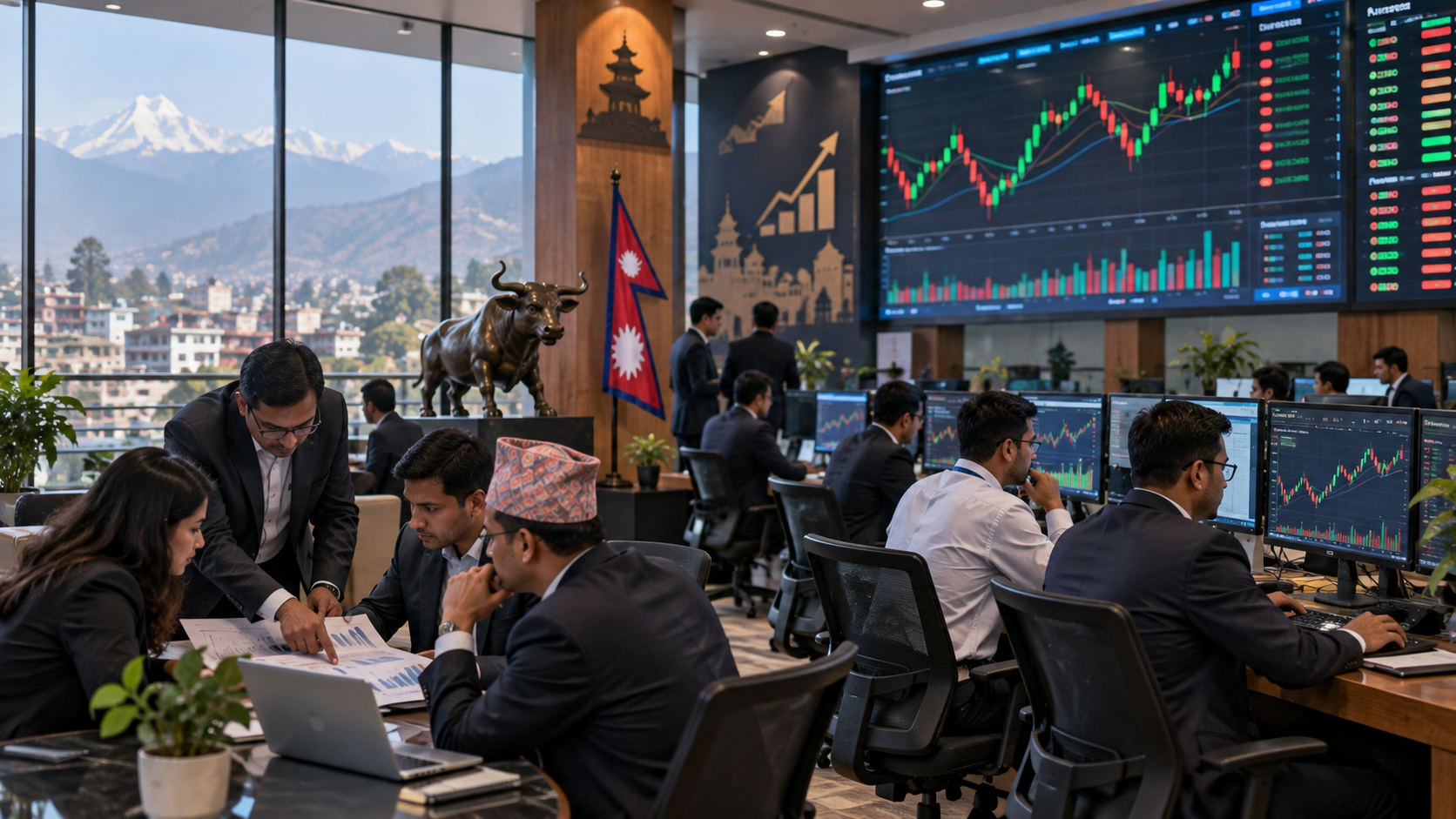
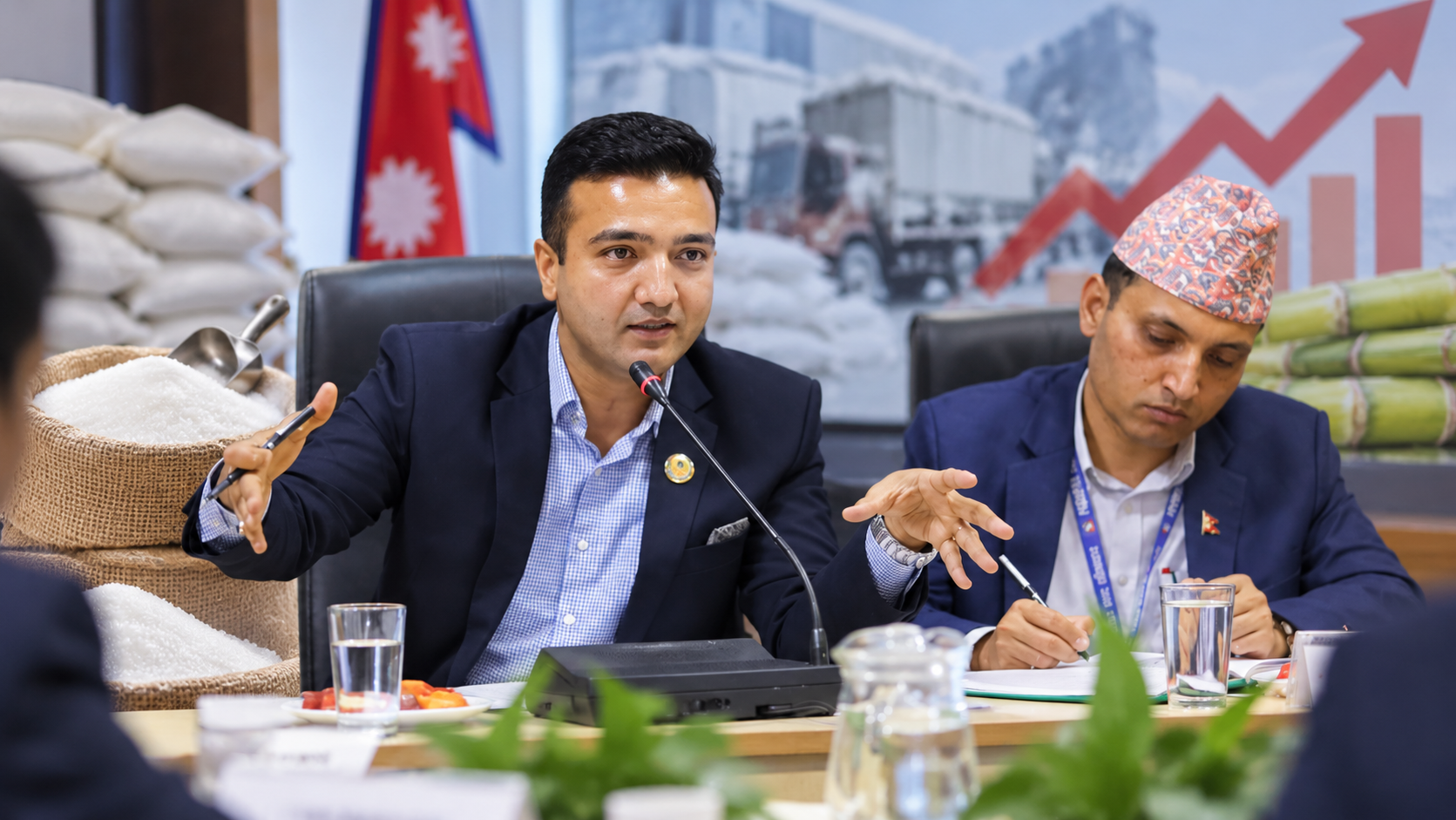
The slowdown is being driven by political corruption, rent-seeking and crony capitalism, experts say, increasingly dragging Nepal’s economy into an unproductive cycle.
Recent analysis indicates that the close relationship between political leaders and business groups has created an environment in which economic growth is not driven by productivity, innovation or competition, but by access, influence and connections.
What’s going on in the economy?
Resources are often being channeled into non-productive sectors such as land speculation, trading and short-term profit activities, instead of into industries that produce long-term value.
Experts say this has resulted in:
• Industry growth slows
• Low Job Growth
• Greater dependence on imports and remittances
• Constrained Innovation in the Economy
Nepal’s economy suffers from structural challenges with a low contribution of industry and high dependence on services and remittance inflows.
Political corruption
Corruption is a major problem that affects economic performance.
The constant change of governments, the instability of policies and the misuse of public resources have discouraged long-term investment. Analysts say political energy is often spent on power-sharing and short-term gains, rather than on national development.
This has led to:
• Postponed infrastructure projects
• Wastefulness of budget
• Weak systems of governance
Crony Capitalism, Explained
Crony capitalism is a system in which business success is based on close ties with government rather than on competition.
In Nepal this is often expressed as:
• Preferential contracts and licenses
• Special tax benefits for some groups
• The influence of business elites in policymaking
Research has shown that systems like this enable a small number of connected businesses to dominate the economy and restrict opportunities for other businesses.
Effect on Growth and Jobs
This is the system that has the greatest effect on job creation and economic productivity.
Real growth in economic activities is still limited because:
• Investments don’t create sustainable industrials
• There are few chances left for young people to get jobs
• Skilled workers still emigrate
The wider economic stagnation is reflected in the increasing frustration of Nepal’s young people at the lack of jobs and opportunities.
A self-feeding circle
This is called a self-reinforcing cycle, experts say:
• Business success follows political connections
• Businesses put money into non-productive sectors
• Economy suffers
• More dependence on political access increases
This cycle makes it hard to move towards a more productive and competitive economy.
What is required?
Economists say to break this cycle will require:
• Tough anti-corruption measures
• Transparent policy making
• Development of the industrial and productive sectors
• Equal opportunity for companies
Without these reforms, Nepal risks being trapped in a low-growth, high-dependency economic model.
Conclusion
The economic problems in Nepal are now not about resources or policies. They are closely related to governance and system.
Without addressing corruption and crony capitalism, the country risks being stuck in slow growth, limited job creation and rising economic frustration among its people.
Tags: Nepal Economy, Crony Capitalism, Political Corruption Nepal, Economic Growth Nepal, Business News
Comments
0 comments
Loading comments...