Rastriya Swatantra Party (RSP) chair Rabi Lamichhane has urged the government and political supporters to respond with empathy to anger expressed by victims of the devastating Bhotekoshi floods, saying that grieving citizens should not be criticised or subjected to online abuse.
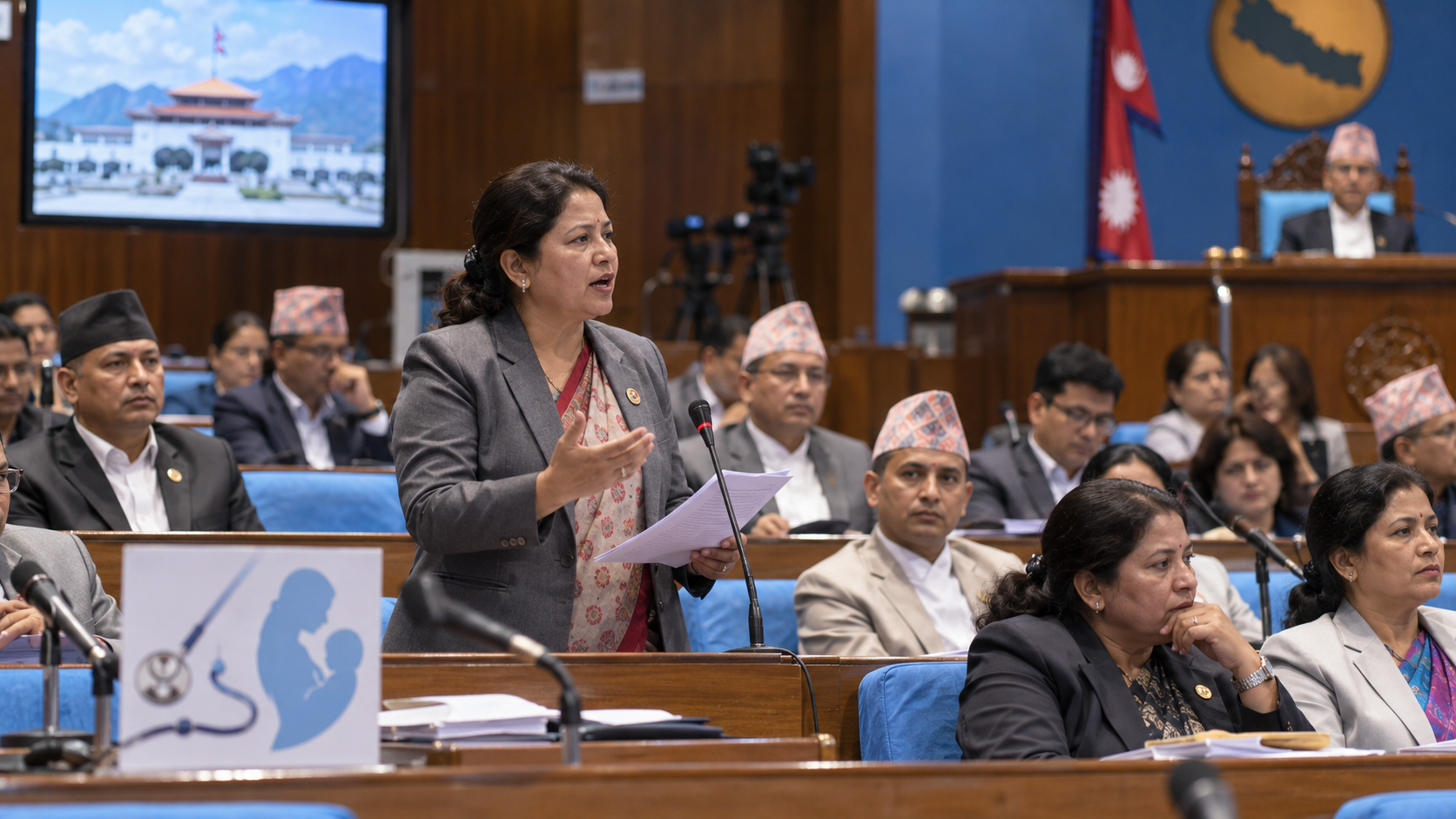
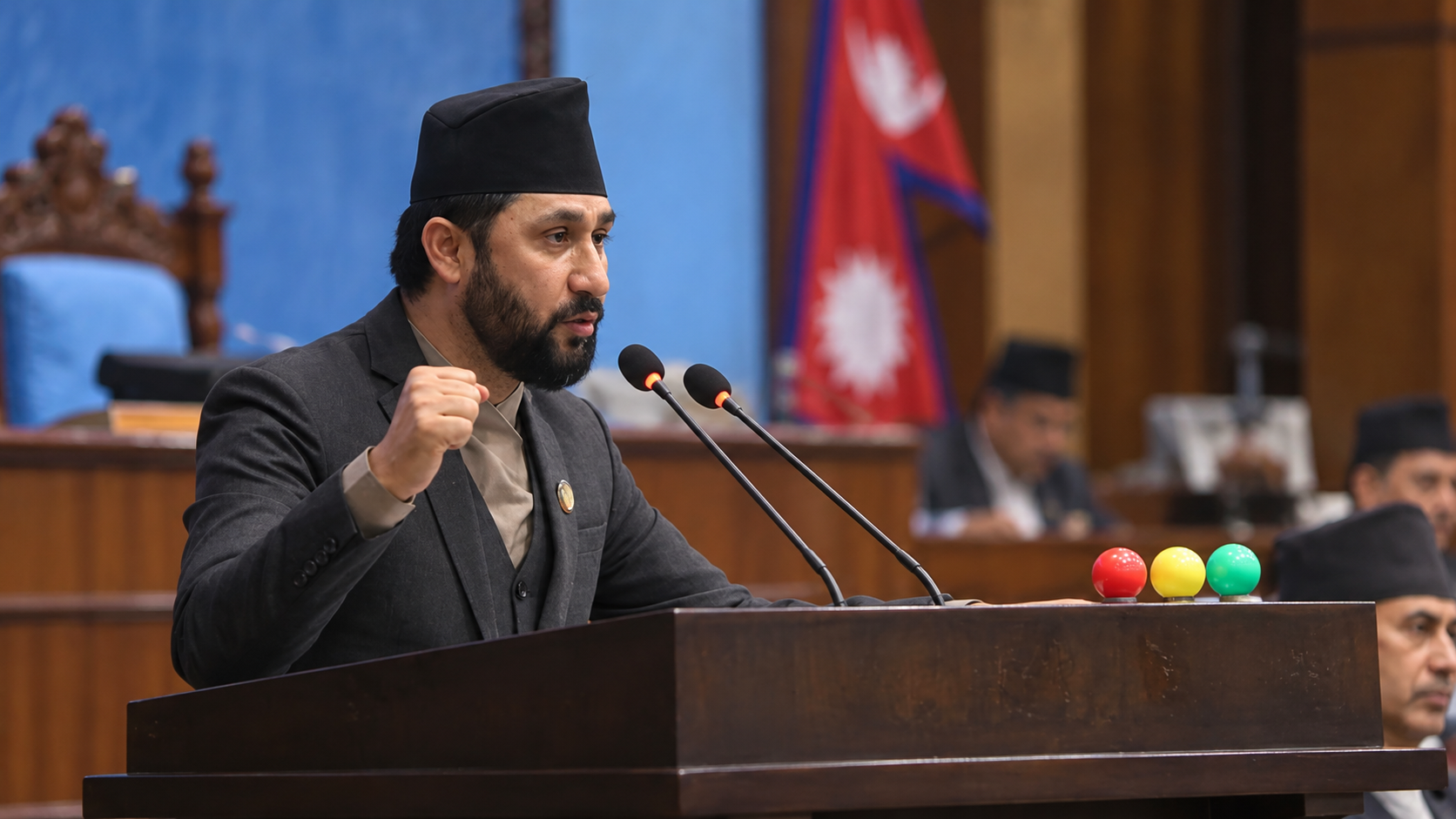
Addressing the House of Representatives on Wednesday, Lamichhane said people who have lost their homes, livelihoods and family members have every right to question and criticise the state. He argued that their anger should be understood not as an attack on the government, but as a desperate appeal for help.
Lamichhane said the scale of the disaster was difficult for people sitting safely inside Parliament to fully understand.
Thousands of families have lost homes, farmland, property and their life's savings, while many are still searching for missing relatives in flood debris and along riverbanks.
He described the emotional condition of families waiting for missing loved ones as almost impossible to imagine.
Lamichhane said that when someone experiences unexpected and devastating grief, even questioning or cursing God can happen.
“When a person is deeply hurt, when they suffer unexpected grief, they even curse God—so what are the government and the RSP?”
He said the government and his party must therefore understand victims' anger rather than respond defensively.
According to Lamichhane, flood victims are not interested in hearing explanations about how many state resources have been mobilised or how deeply security personnel have entered dangerous rescue zones.
For families searching for loved ones, he said, the immediate expectation is simple: the state should reach their relatives while they are still alive and rescue them.
When that hope turns into despair, he argued, anger is a natural response.
He urged the government, its leadership and RSP members to recognise such anger as an expression of people's expectations from the state.
“Citizens' anger should not be understood as an attack against us,” he said, arguing that it should instead be treated as an expectation from the state and a “final cry for help.”
Lamichhane also strongly criticised people who mock or insult disaster victims on social media.
He urged government supporters and RSP members to immediately stop making derogatory comments and sarcastic remarks about people who have lost everything.
He said issuing statements condemning such behaviour would not be enough and that the government should demonstrate through action that it stands firmly with victims.
The issue has become particularly sensitive as families affected by the floods have expressed frustration over rescue operations and the continuing search for missing relatives.
Other reports have similarly said Lamichhane called on people to treat the anger of disaster victims as an expression of grief and a plea for assistance rather than as political opposition.
Lamichhane went further by warning that RSP members involved in humiliating or cyberbullying disaster victims would face disciplinary action.
He said any RSP member or office-bearer found making derogatory social-media comments against disaster victims could be expelled from the party, including losing ordinary membership.
He said the party does not need “blind supporters” who insult grieving citizens. Instead, he said, it needs members willing to stand beside ordinary people experiencing grief and suffering.
Lamichhane also said there was no place in the RSP for people who could not hear the cries of disaster victims or who added to their suffering.
The RSP chair also warned political parties against turning the disaster into an opportunity for mutual accusations.
He said the country was facing an unprecedented catastrophe in which thousands of families had lost almost everything.
Rather than focusing on who could gain politically from the disaster, he called for the state and political parties to concentrate on rescue, relief and the needs of affected families.
Lamichhane has separately praised the ongoing rescue effort while calling for national unity and stronger action on climate-related risks.
The remarks come as rescue teams continue searching for people missing after the Bhotekoshi flood and related destruction.
For families still waiting for news, every delay can deepen uncertainty and anger. Lamichhane's message was that political leaders should recognise that emotional reality rather than expect victims to respond calmly while facing the loss of their homes, livelihoods and loved ones.
His comments also place responsibility on political parties and their supporters to ensure that social media does not become another source of suffering for disaster victims.
The broader message from the RSP chair was clear: during a disaster of this scale, the government's first responsibility is to listen to victims, protect them and help them—not fight with them.
HamroBichar will continue to follow the Bhotekoshi flood rescue operation, the government's response and the concerns raised by affected families.
Tags: Rabi Lamichhane, RSP, Bhotekoshi Flood, Nepal Politics, Flood Victims, Disaster Response, Cyberbullying, Nepal Government, Climate Disaster
Comments
0 comments
Loading comments...