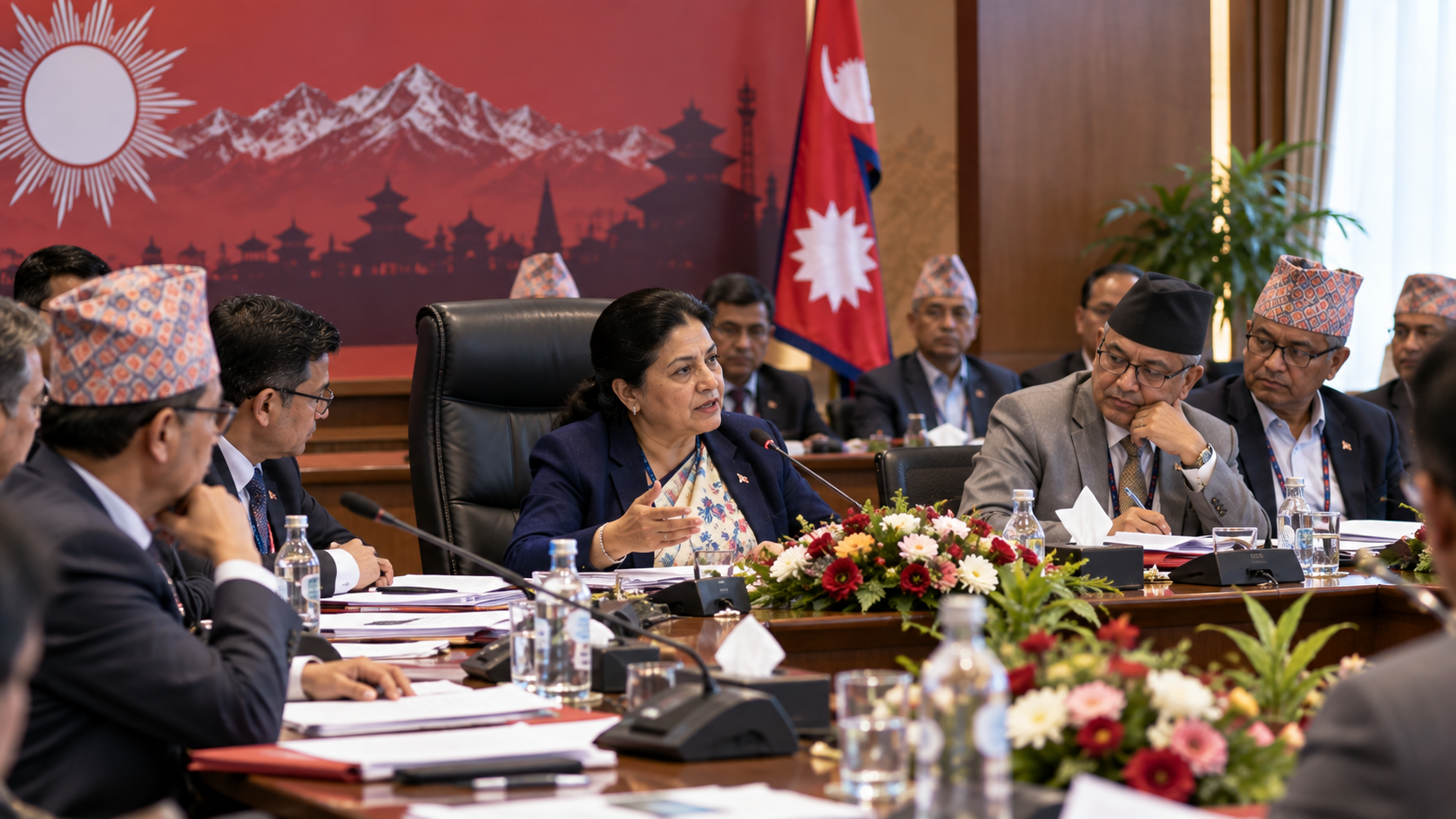
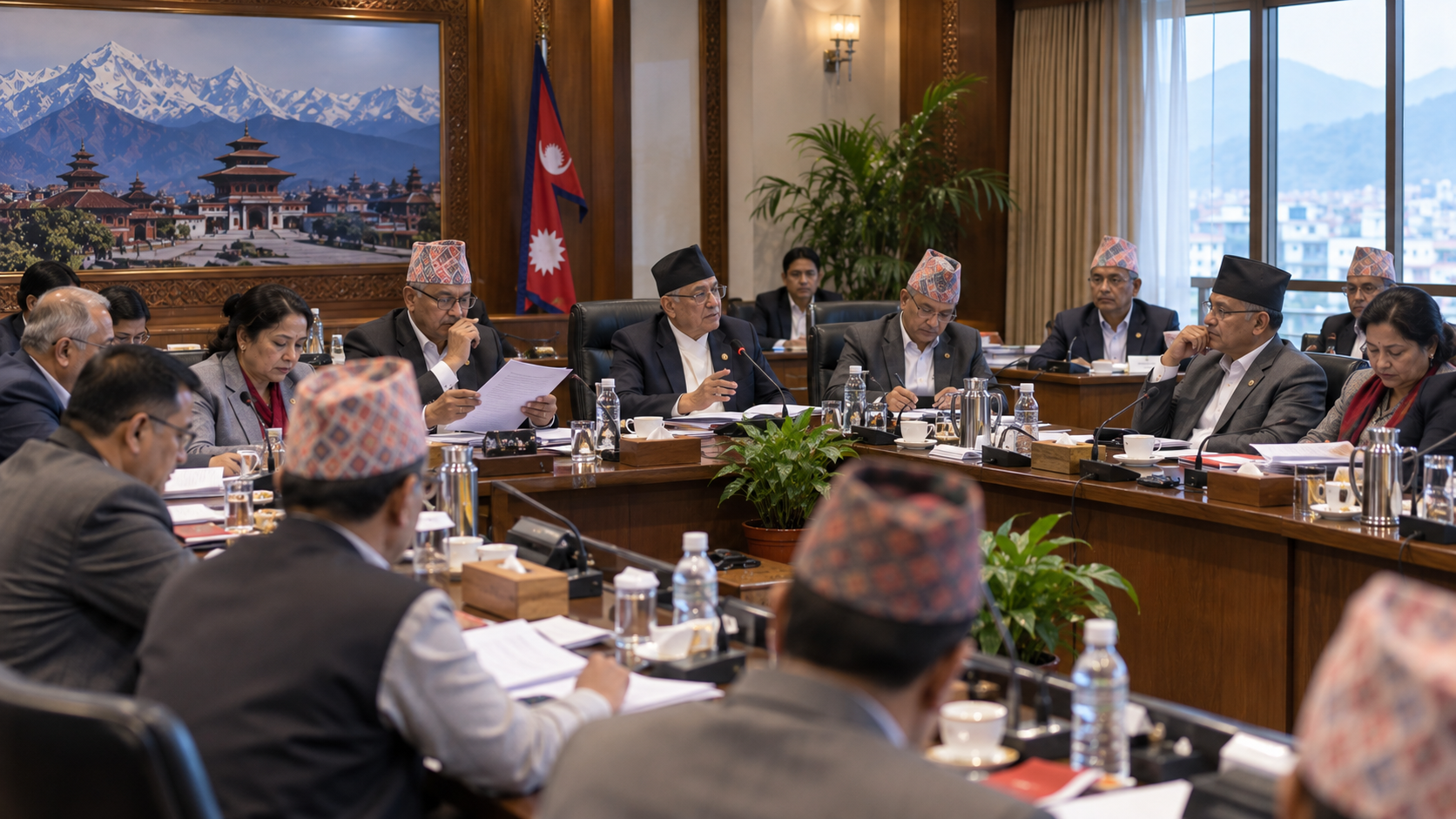
Debate over policy and leadership reorganization within the CPN-UML has weakened after the party’s Central Committee endorsed a direction that leaves KP Sharma Oli in a strong position.
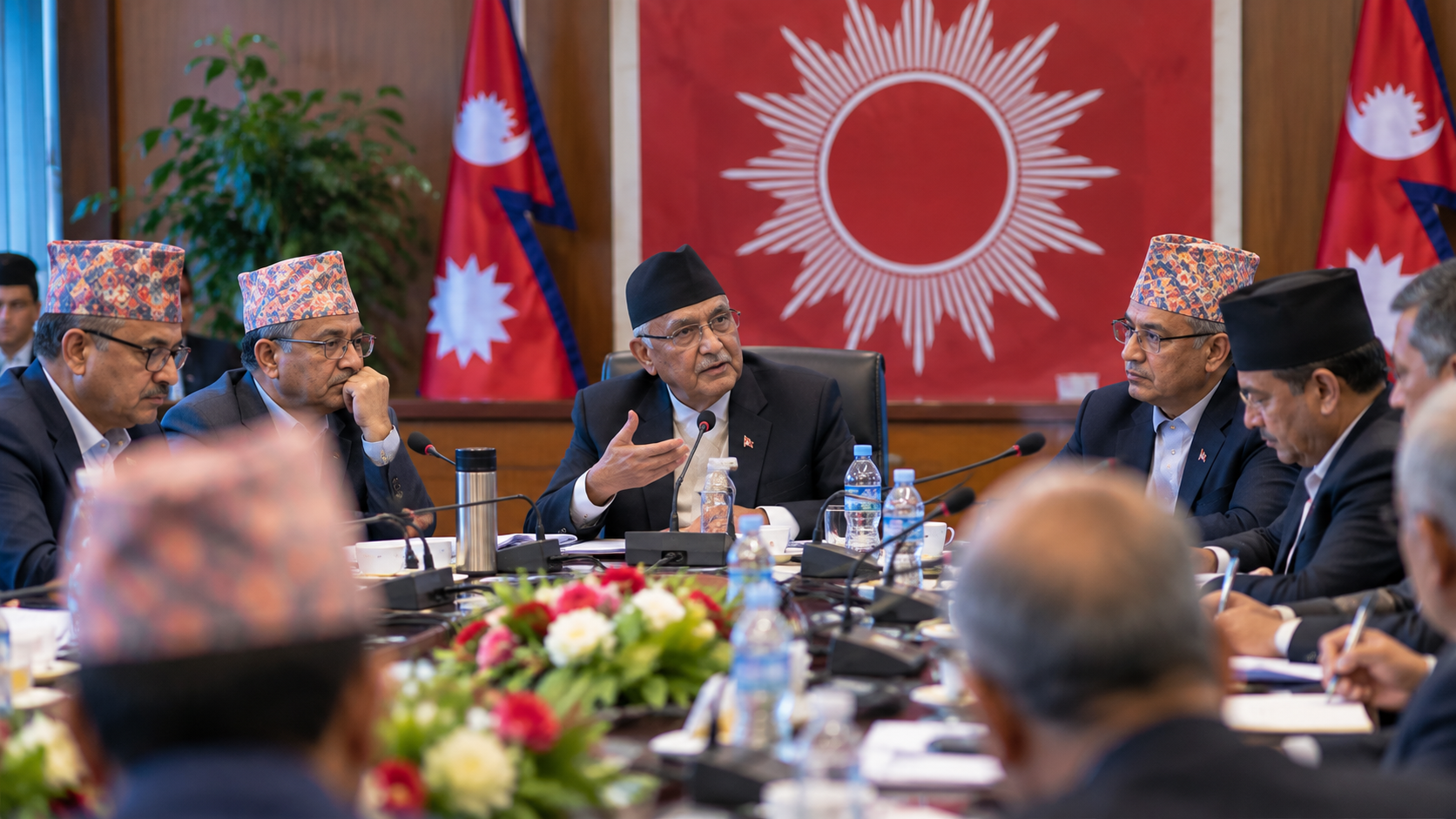
The debate over policy and leadership reorganization within the Communist Party of Nepal (Unified Marxist-Leninist), or CPN-UML, has lost momentum following the party’s latest Central Committee meeting.
According to a report by Kantipur, around 20 percent of Central Committee members had argued for changes to the party’s policy and leadership. However, the Central Committee did not establish a mechanism for such a reorganization and instead endorsed a plan to move forward with the party’s existing leadership and policy direction.
The issue had gained attention after the UML formed a task force led by Ram Bahadur Thapa to review the party’s performance in the recent election and make recommendations for organizational and policy changes.
The task force incorporated suggestions from 13 consultation groups. Kantipur reported that most of the groups outside Bagmati had supported some form of reorganization. However, the task force report was not brought into substantive discussion during the Central Committee meeting.
Earlier during the meeting, several UML leaders had called for the recommendations to be incorporated into Chairman KP Sharma Oli’s political report. A separate report by Ratopati said proposals included convening a National Representative Council meeting, incorporating suggestions collected by the task force and considering limits on leadership terms and age.
The internal debate also involved senior leaders who initially expressed support for organizational changes.
According to Kantipur, Vice Chairman Bishnu Poudel and General Secretary Shankar Pokharel later took positions that reduced the momentum behind the reorganization demand. The newspaper reported that more than four dozen Central Committee members continued to support changes even after the positions of some senior leaders shifted.
Other leaders continued to publicly argue for change.
Vice Chairman Gokarna Bista criticized the decision not to present the task force report to the Central Committee, arguing that the committee should have been allowed to discuss a report prepared by a task force appointed by the party leadership itself.
Vice Chairman Raghuj Pant argued that organizational restructuring should not be set aside and called for changes extending from the central leadership to the grassroots level.
Deputy General Secretary Yogesh Bhattarai also called for leadership transition, framing the issue as one involving generational change, internal democratic practice and renewal of the party’s political direction.
The Central Committee ultimately approved Oli’s political report without incorporating the task force’s recommendations for policy and leadership reorganization, according to Kantipur. The party is now proceeding with what it describes as a campaign of organizational strengthening and political renewal under its existing leadership structure.
The party's internal balance is also affected by the composition of the Central Committee. Kantipur reported that the committee has 301 members and that 10 percent of the positions are subject to nomination. It said 33 members, including 13 who came from other parties, were nominated, with most of those nominations made by Oli.
A separate Ratopati report during the Central Committee meeting also confirmed that the UML has 301 Central Committee members and that the remaining 10 percent were to be nominated.
The conclusion of the Central Committee meeting does not mean that all debate over the UML’s future leadership and policy direction has disappeared.
Leaders including Gokarna Bista, Raghuj Pant, Yogesh Bhattarai and Padam Giri have continued to raise questions about organizational renewal. At the same time, other members have argued against reopening the leadership question, saying that further internal disputes could weaken the party.
The latest decisions therefore leave the UML moving forward under Oli’s leadership while disagreements over organizational reform and leadership transition remain part of the party’s internal discussion.
Comments
0 comments
Loading comments...