The United States has approved an additional $1 million in forensic assistance to help Nepal Police identify victims of the August floods. The support includes DNA analysis kits and specialist assistance as authorities continue efforts to identify unidentified remains.
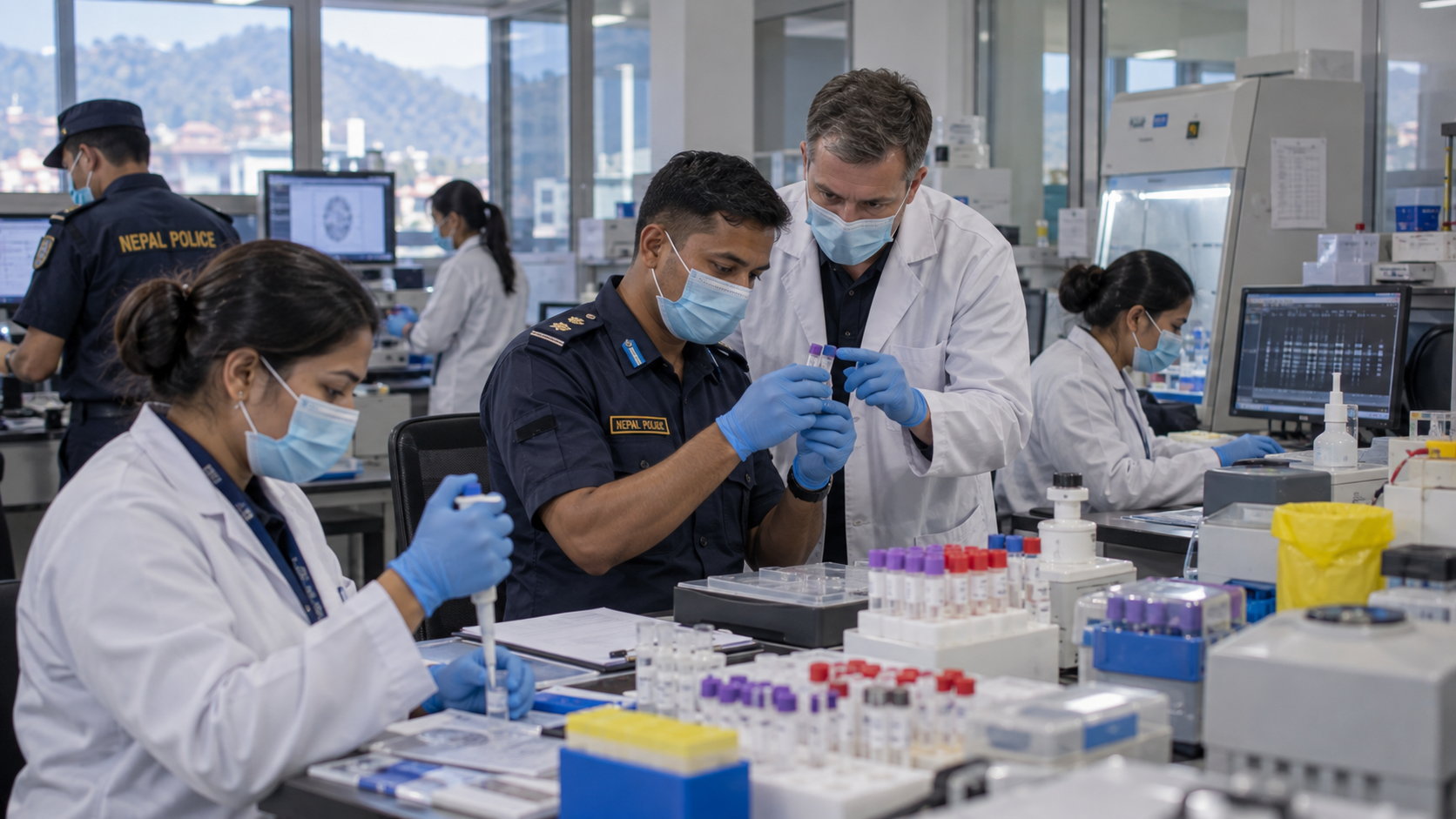
The United States has approved an additional $1 million in forensic assistance for Nepal to support efforts to identify victims of the devastating floods that struck the country in August.
The funding, approved by the US State Department’s Bureau of International Narcotics and Law Enforcement Affairs, will support Nepal Police with forensic resources including DNA analysis kits, according to the US government.
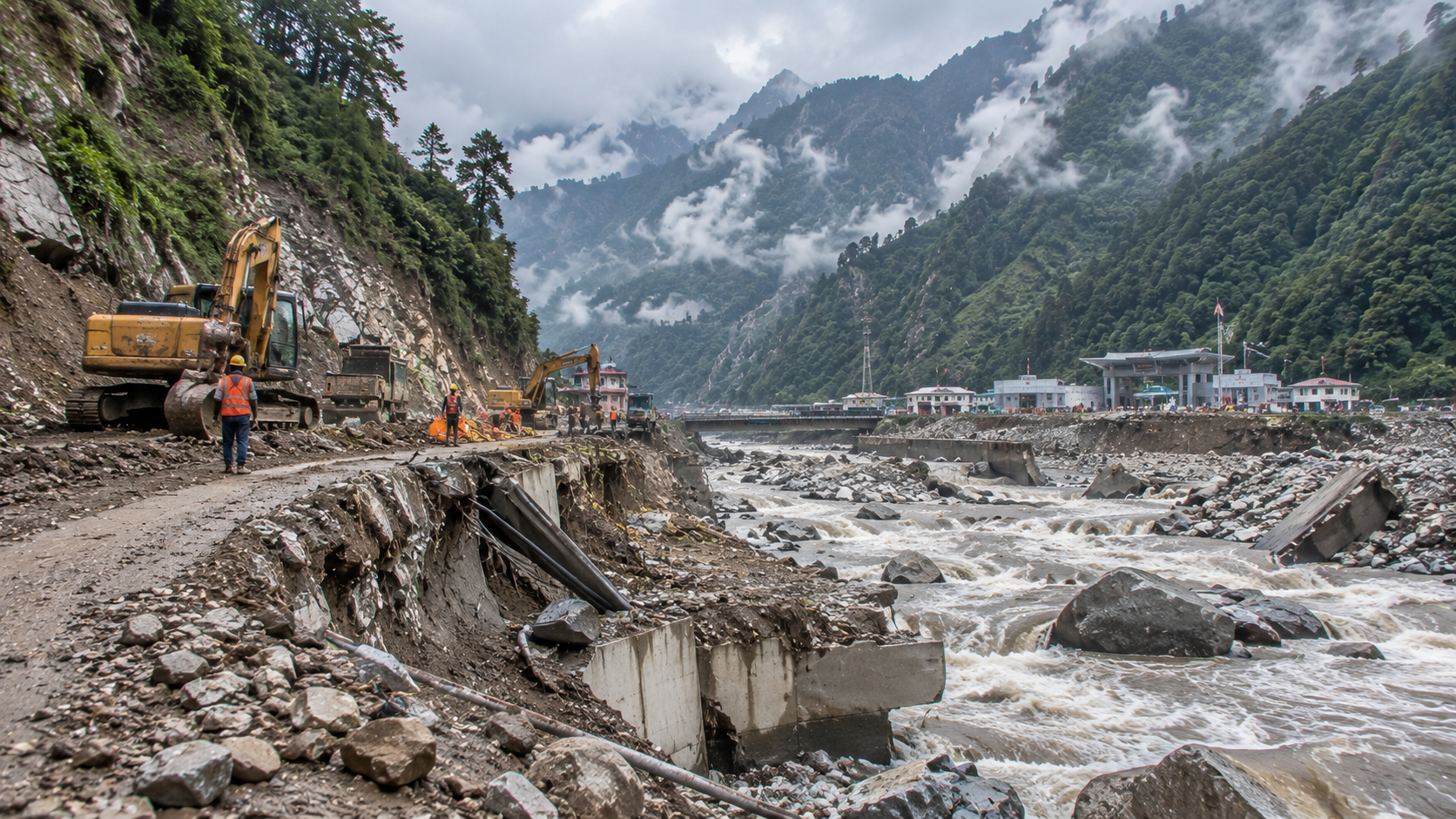
The assistance comes as Nepali authorities continue to deal with a large number of unidentified bodies and human remains recovered following the disaster.
With the new allocation, total US humanitarian, health and forensic assistance linked to the floods has surpassed $5 million.
The broader assistance includes $3 million through the World Food Programme for food and logistics. According to the US State Department, the programme is expected to provide up to three months of emergency food assistance to 10,000 flood-affected households while helping transport humanitarian supplies to communities cut off by the disaster.
The United States has also provided $685,000 through Catholic Relief Services for food, shelter, water, sanitation, hygiene, protection and financial assistance. A further $365,000 has been allocated for health, nutrition and water, sanitation and hygiene support through Jhpiego, FHI 360 and UNICEF.
Identifying victims has become one of the most difficult aspects of the disaster response.
Bodies recovered after prolonged exposure to floodwater can be severely damaged or decomposed, making visual identification difficult. Forensic teams therefore rely increasingly on DNA extracted from remains and compared with samples provided by relatives.
A Kathmandu Post report published earlier this month found that Nepal's two DNA-testing laboratories had received more than 2,000 samples in a sudden surge, far exceeding their normal annual workload. Foreign forensic specialists from India and China were already assisting Nepali authorities, while a South Korean disaster-response team was also providing support.
The new US funding is intended to strengthen that identification effort.
The US government said FBI forensic specialists are working alongside Nepal Police to support disaster victim identification.
Their work includes specialised humanitarian and forensic expertise intended to help authorities establish the identities of victims and provide information to families searching for missing relatives. The assistance is also relevant to US citizens affected by the disaster, according to the US statement.
The involvement of international forensic specialists reflects the scale of the identification challenge facing Nepal.
Authorities have been collecting DNA samples from recovered remains as well as relatives of missing people. Where conventional identification is not possible, forensic comparison can provide a more reliable basis for establishing identity.
The disaster has placed considerable pressure on Nepal's existing forensic infrastructure.
According to data reported by Kathmandu Post on September 9, 1,367 bodies had been recovered by Wednesday afternoon, but only 102 had been identified at that point. More than 1,200 families were therefore still waiting for answers.
Nepal's laboratories normally handle far fewer DNA cases. The sudden increase in samples has created a backlog, while shortages of trained personnel, chemicals and other laboratory resources have added to the challenge.
For some badly decomposed remains, technicians may need to extract DNA from teeth or bones. This can take substantially longer than testing fresh samples. A forensic expert cited by Kathmandu Post said previous bone-DNA extraction cases had taken between two and four months.
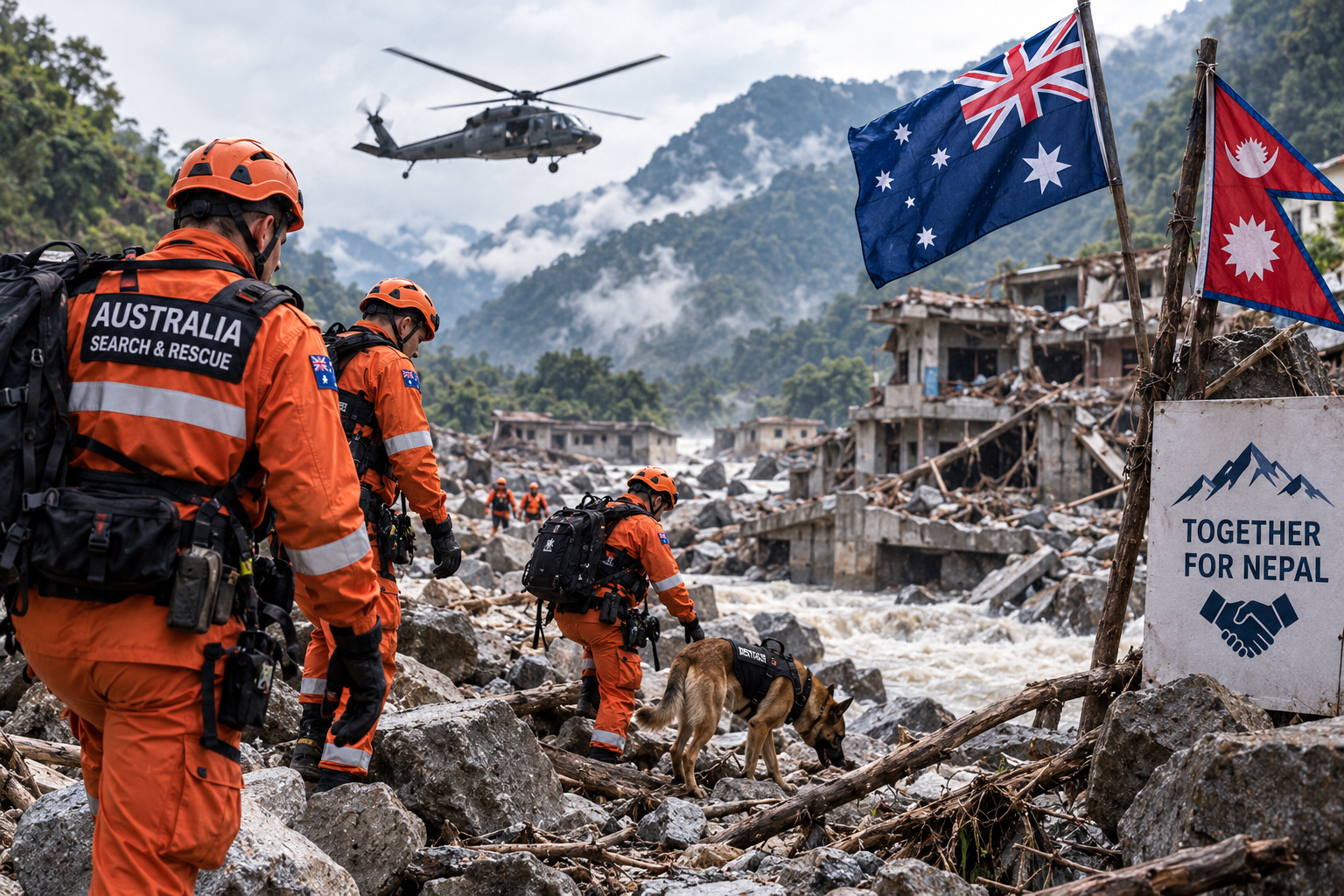
The United States has also provided equipment to support Nepal's wider search and recovery operations.
According to the US government, the US military delivered 5,000 specialised disaster-victim recovery supplies, along with 500 first-aid kits, stretchers and front-end loaders. A four-person US Military Civil Affairs Team is also in Nepal supporting humanitarian and disaster-related activities.
The US State Department said the response remains adaptable as conditions change and that Washington is prepared to work with the Nepali government on additional assistance based on the country's needs.
For families who have spent weeks searching for missing relatives, however, the forensic effort has a more immediate purpose: establishing identities and allowing remains to be returned for final rites.
The additional US funding is therefore not simply another component of the broader flood-relief operation. It addresses one of the disaster's most sensitive and technically demanding challenges—giving families reliable answers about loved ones who remain missing.
Comments
0 comments
Loading comments...