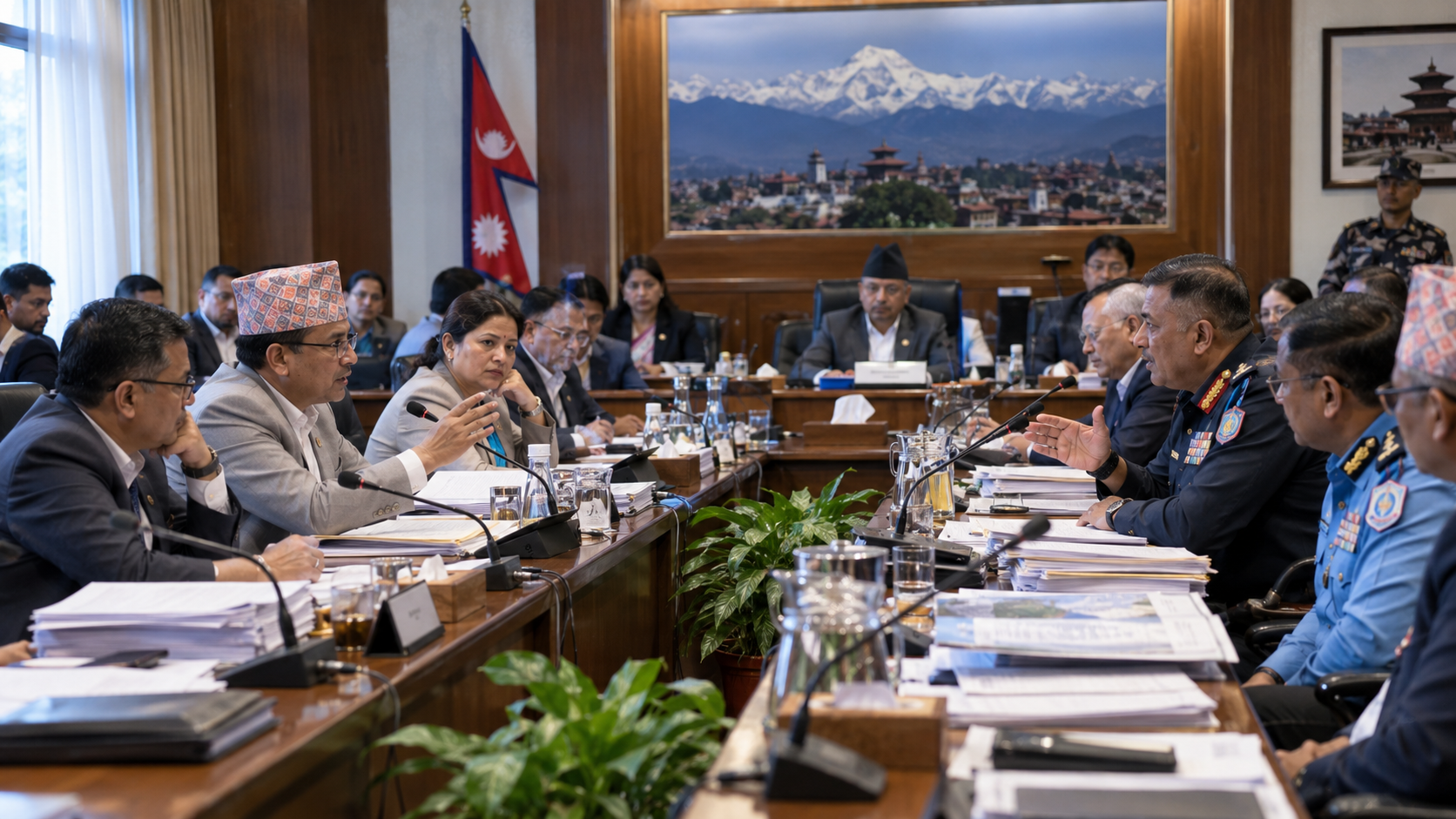
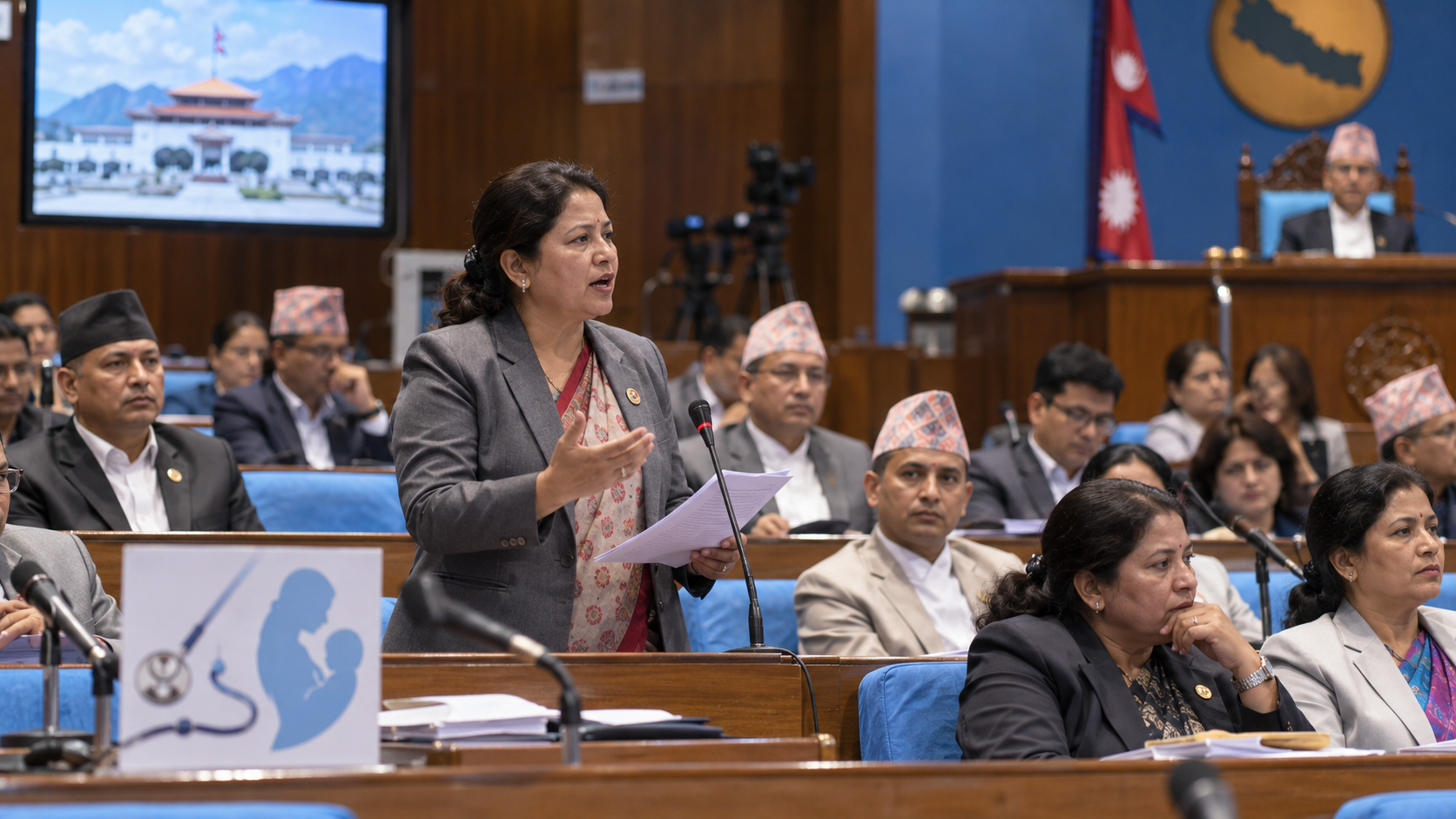
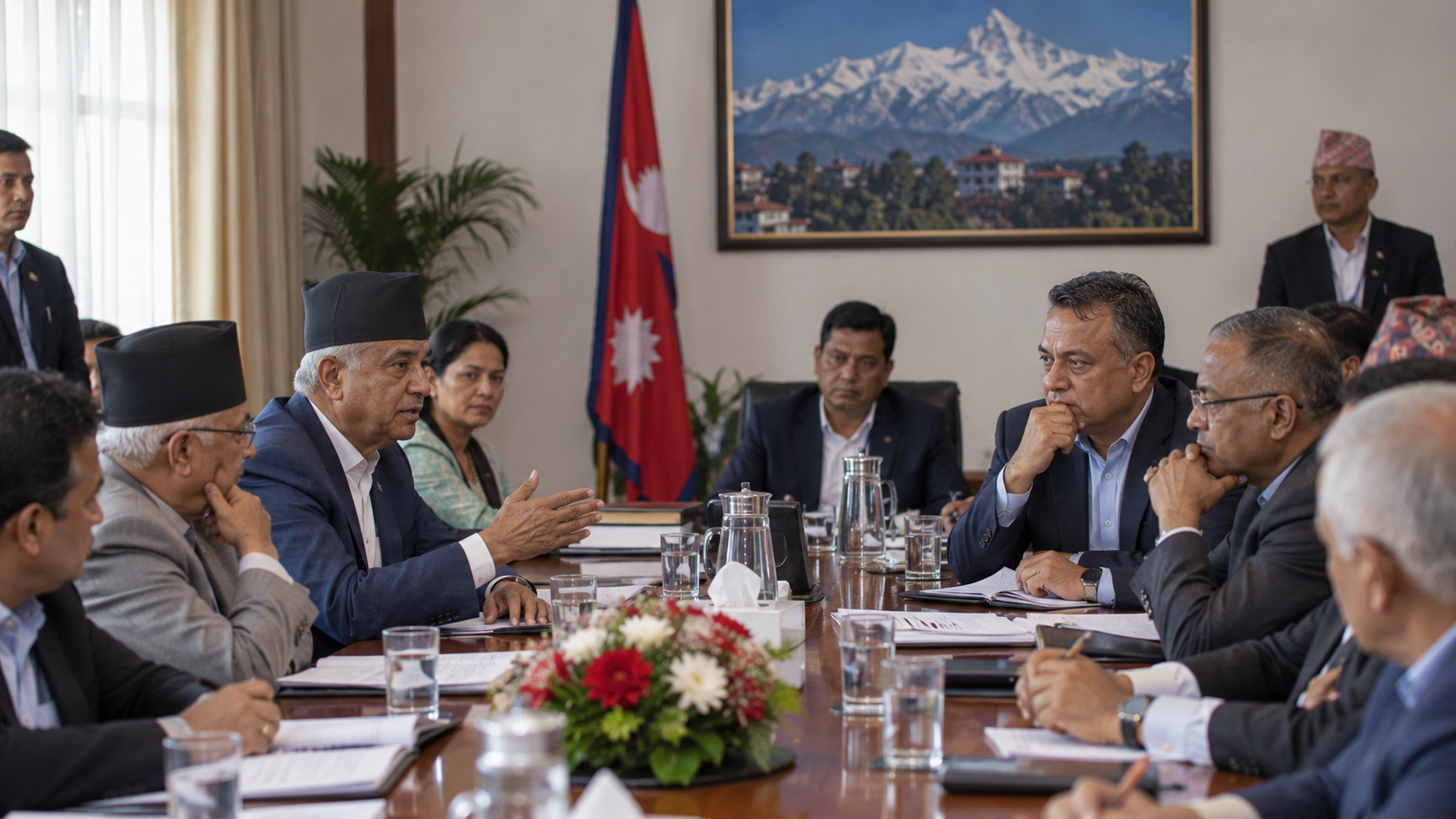
After months of delay, Nepal’s Constitutional Council has now been filled to full strength. However, this long-awaited development continues to raise serious concerns about how it will operate and the legal uncertainties surrounding it.
The last of the six-member constitutional body was filled when the main opposition party chose its parliamentary leader. The council was complete. The council had been incomplete for nearly eight months, holding up key appointments in major state institutions.
Why Council Matters
The constitutional council is very crucial in the governance system of Nepal. It is tasked with recommending appointments to key constitutional positions such as
• Chief Justice,
• Officials of the Election Commission
• Commission to Investigate Abuse of Power
• The National Human Rights Commission
These appointments are made by the president on the recommendation of the council.
The council was not yet formed, and many key positions were still vacant, hampering the work of important institutions.
Vacancy Filled
The opposition party nominated Bhishmaraj Angdembe as its parliamentary leader, filling the vacancy and completing the six-member composition of the council.
The council now consists of:
• PM
• Acting Chief Justice
• House Speaker
• Speaker of the National Assembly
• Opposition Leader
• Deputy Speaker.
Now the council can hold formal meetings and recommend appointments that have been pending for months.
Senior Positions Vacant
The council is now full, but a number of key posts are still up for grabs, including:
• Chief Justice,
• Chief Election Commissioner
• Members of constitutional bodies
• Ambassadors to other nations
These appointments are expected to accelerate with the reopening of the council in the coming days.
Legal Vacuum Remains a Problem
The council is now fully constituted, but there is still one big unresolved problem—a legal vacuum.
Experts say that the failure to pass replacement laws after earlier ordinances expired has left confusion about how decisions should be made within the council.
• Lack of clear legal framework for decision-making
• Uncertainty on majority and consensus decisions
• Prior ordinances that were not made permanent
"This has led to a situation where there is the council, but it is not entirely clear what decision-making power it has.
The government has announced a new ordinance.
It is reported that the government is planning to issue a new ordinance to get rid of the legal complications and solve the problem.
Officials say the change is needed to make sure the council can operate smoothly and make decisions on time without legal wrangling.
Political history
Earlier, the council had not been fully constituted because of the disruption of the parliament and political instability as well as the absence of key constitutional positions.
With a new government in place and parliamentary structures restored, the process of completing the council has been completed.
Conclusion
The Constitutional Council’s decision is an important step forward, but legal uncertainty persists and challenges remain.
For the moment, Nepal has a fully fledged council—but the council’s effectiveness will be determined by how quickly the government plugs the legal loopholes.
Tags: Constitutional Council Nepal, Nepal Politics, Legal Vacuum Nepal, Government Nepal, Kathmandu News
Comments
0 comments
Loading comments...