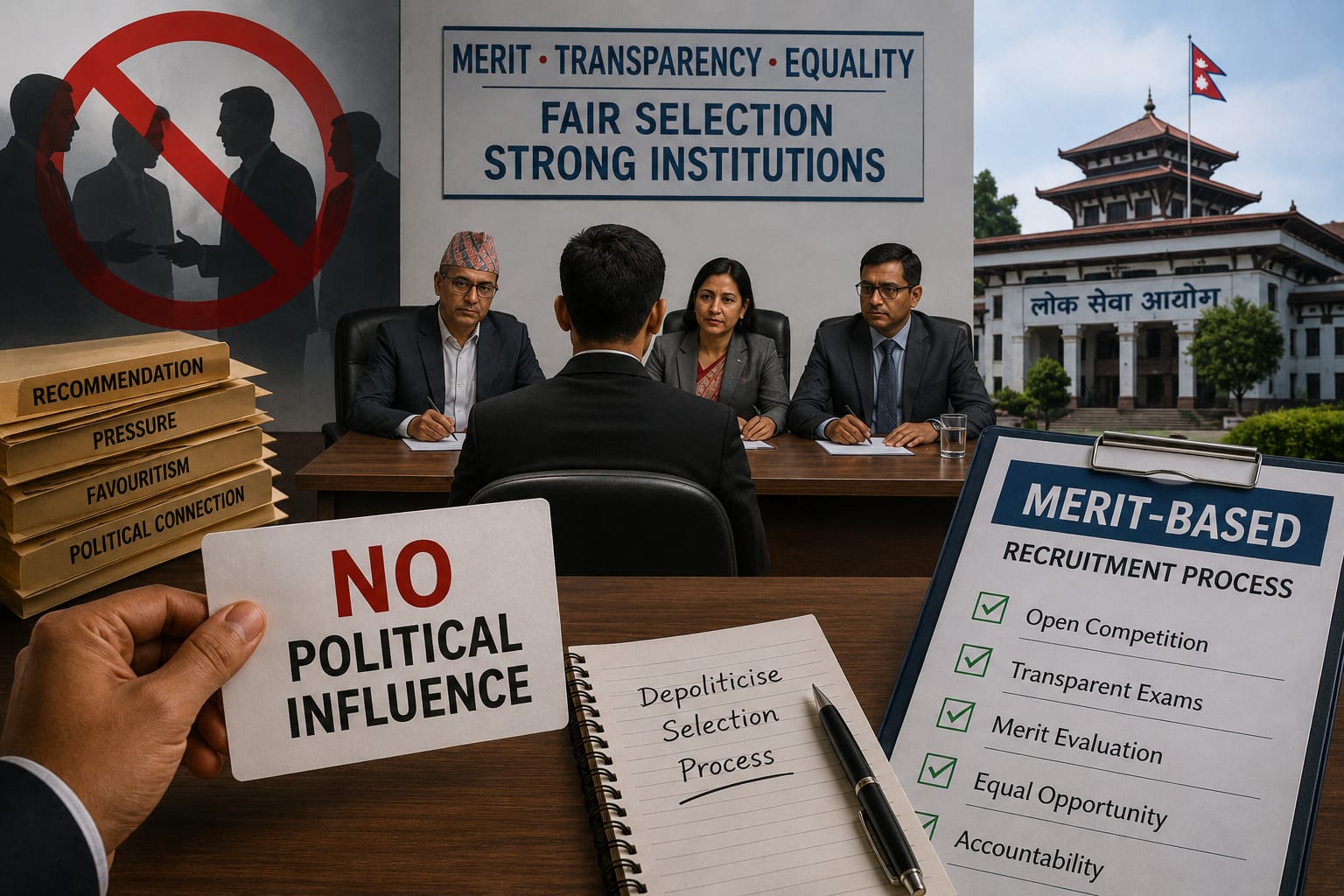
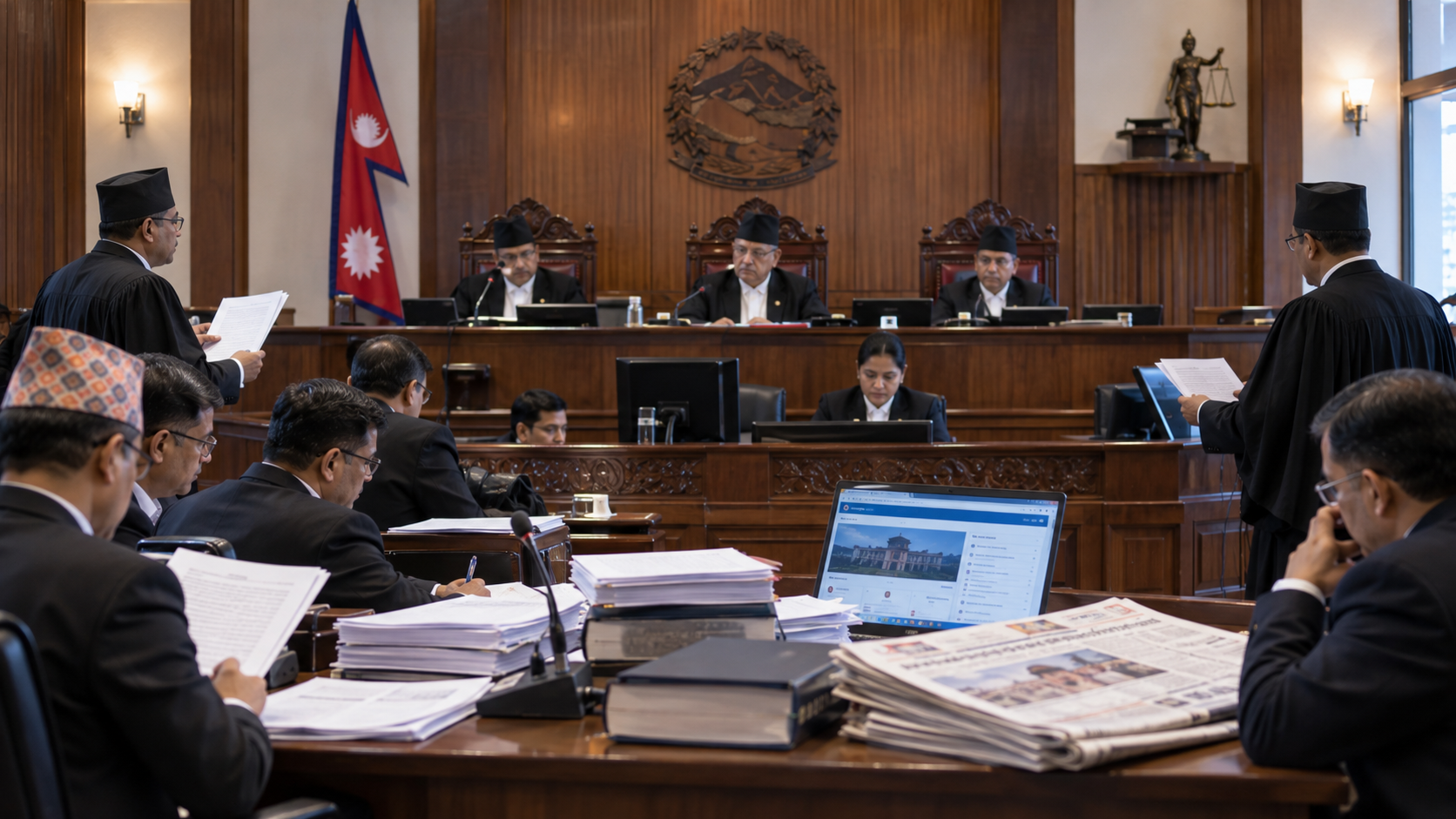
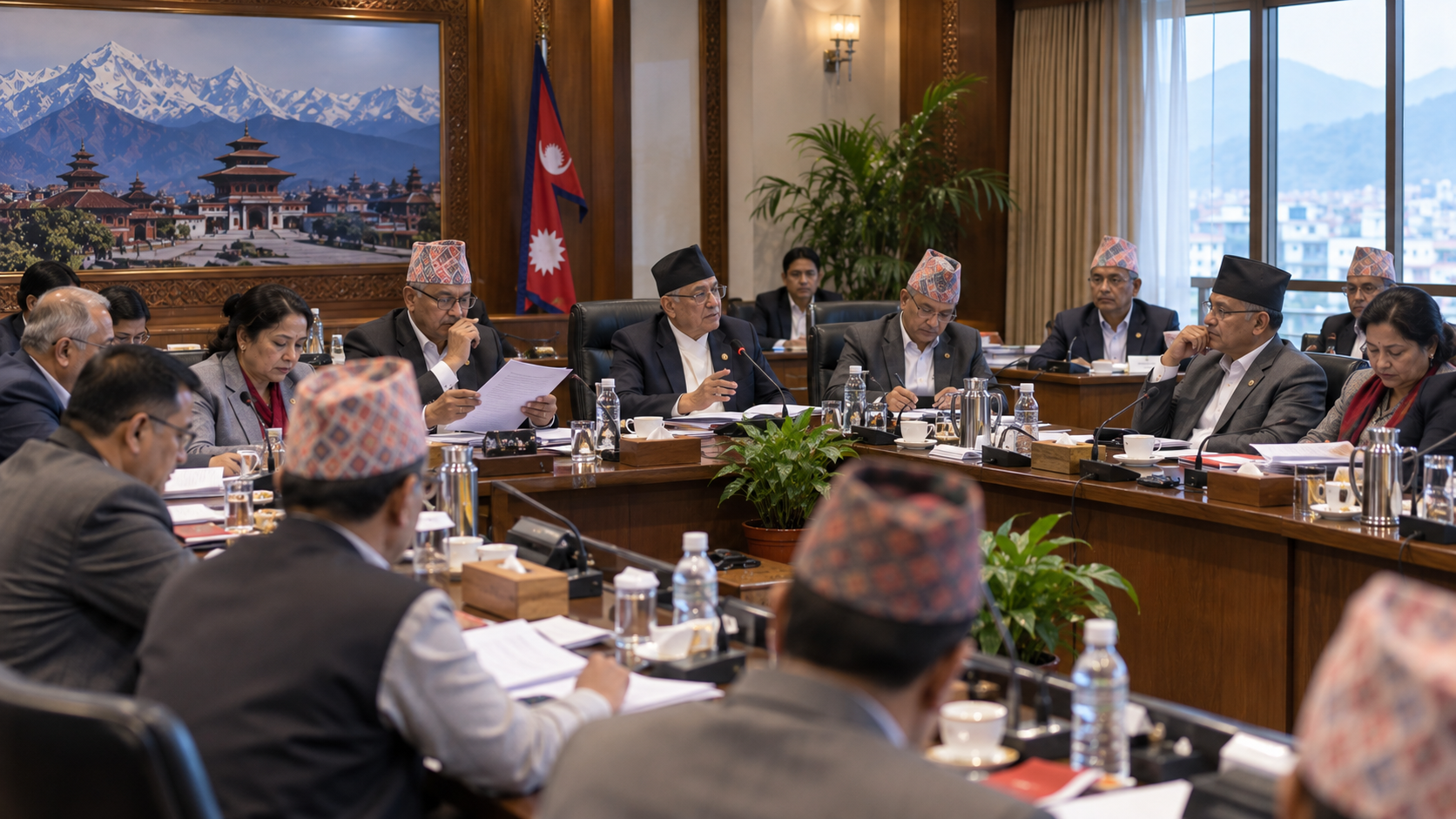
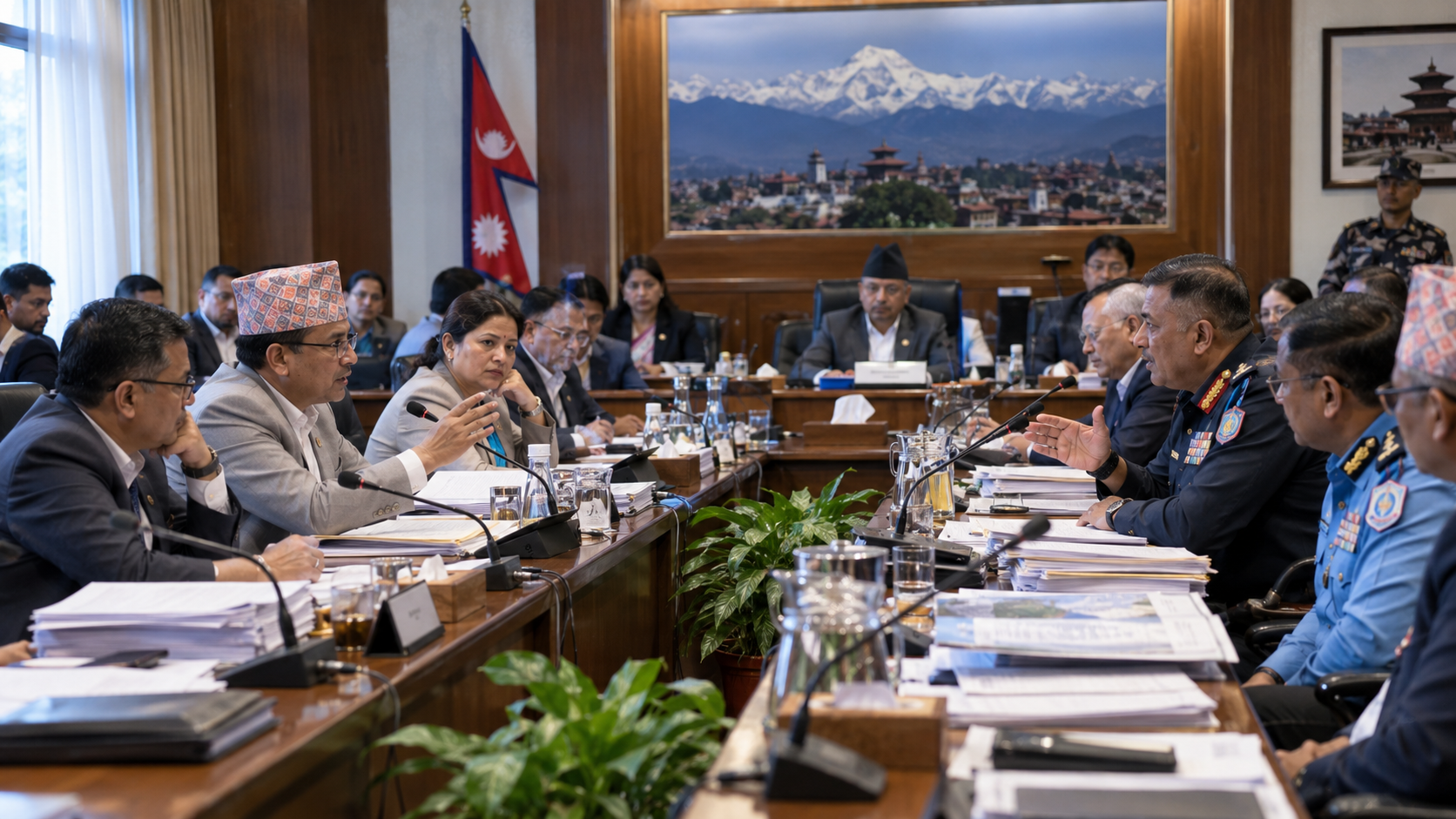
11 May Kathmandu As Nepal moves ahead with controversial governance and administrative reforms, experts and former bureaucrats are increasingly arguing that the country’s employee recruitment and civil service selection system must be free from political influence to ensure professionalism and good governance.
The debate has taken a sharper turn following the latest government reforms and the debate on appointments in universities, constitutional bodies and public institutions.
🏛️ Increasing Political Influence Concerns
For years critics have accused Nepal’s public institutions of being plagued by:
- Political intervention
- Appointments by the party
- Patronage networks
- Weak merit recruitment systems
According to experts, these practices have:
Reduced efficacy
- Reduced trustworthiness of institutions
- Qualified professionals discouraged
- Higher risk of corruption
Political influence in recruitment has gradually spread from high-level appointments to broader administrative systems, governance analysts say.
📋 Merit Selection Viewed as Critical
Advocates of administrative reform propose that employee selection should focus on:
- Merits
- Capacity
- Professional qualifications
- Clear evaluation procedures
rather than on political affiliation or personal connections.
Experts say it could help de-politicise recruitment:
- To enhance service delivery
– Enhance accountability
- Build public confidence in institutions
- Enhance long-term governance stability
Many analysts feel that without making recruitment systems more independent and professional, Nepal’s civil service and public institutions cannot be modernized effectively.
⚖️ Discussion on Government Reform Strategy
The issue has become topical with the recent moves by the government to restructure institutions through ordinances and administrative reforms.
The government says its reforms are meant to improve governance and reduce political disorder. Critics say some of the recent decisions may further centralize power rather than create independent institutions.
This has sparked a wider public discussion on:
- Autonomy of institutions
- Non-partisanship
- Democratic process accountability
- Professional Administration
🎓 Universities and Public Bodies in the Lead
The debate has been most heated in the higher education sector in Nepal.
Recent reforms concerning:
- Appointment of Vice Chancellors
- Governance of universities
- Senate reorganization.
have drawn flak from academicians who say that universities should be run through academic and professional leadership and not political control.
Similar concerns have been expressed with respect to:
- Organs of constitution
- Public enterprises
- Government agency
where political appointments tend to dominate decision-making processes.
🌍 Worldwide Comparison
Governance experts often cite countries where:
- Independent commissions of public service
- Pass tests
- Competitive application procedures
have helped to strengthen institutions and reduce corruption.
Analysts say Nepal needs to move gradually to:
- Civil service professional
- Stand-alone recruitment processes
- Checks and balances within institutions
if it is seeking better governance quality and economic development.
⚠️ Reform Challenges
But although there is broad agreement on the need for reform, experts warn that it will not be easy to depoliticise recruitment.
Key challenges include:
- Opposition from political parties
- Networks of institutional patronage
- Poor implementation systems
- Long-term policy inconsistent
The fact that political influence has been ingrained in Nepal’s administrative culture for decades is also cited by some observers.
📌 Summary
As Nepal debates governance reforms, experts say the central challenge is not just changing laws, but the culture of political influence inside public institutions.
Many believe that a genuinely merit-based and depoliticized system of recruitment will be the key to strengthening institutions, improving governance and restoring public confidence in the state.---
Tags: Nepal Bureaucracy, Civil Service Nepal, Governance Reform Nepal, Merit-Based Recruitment, Nepal Politics
🌐 https://hamrobichar.com/