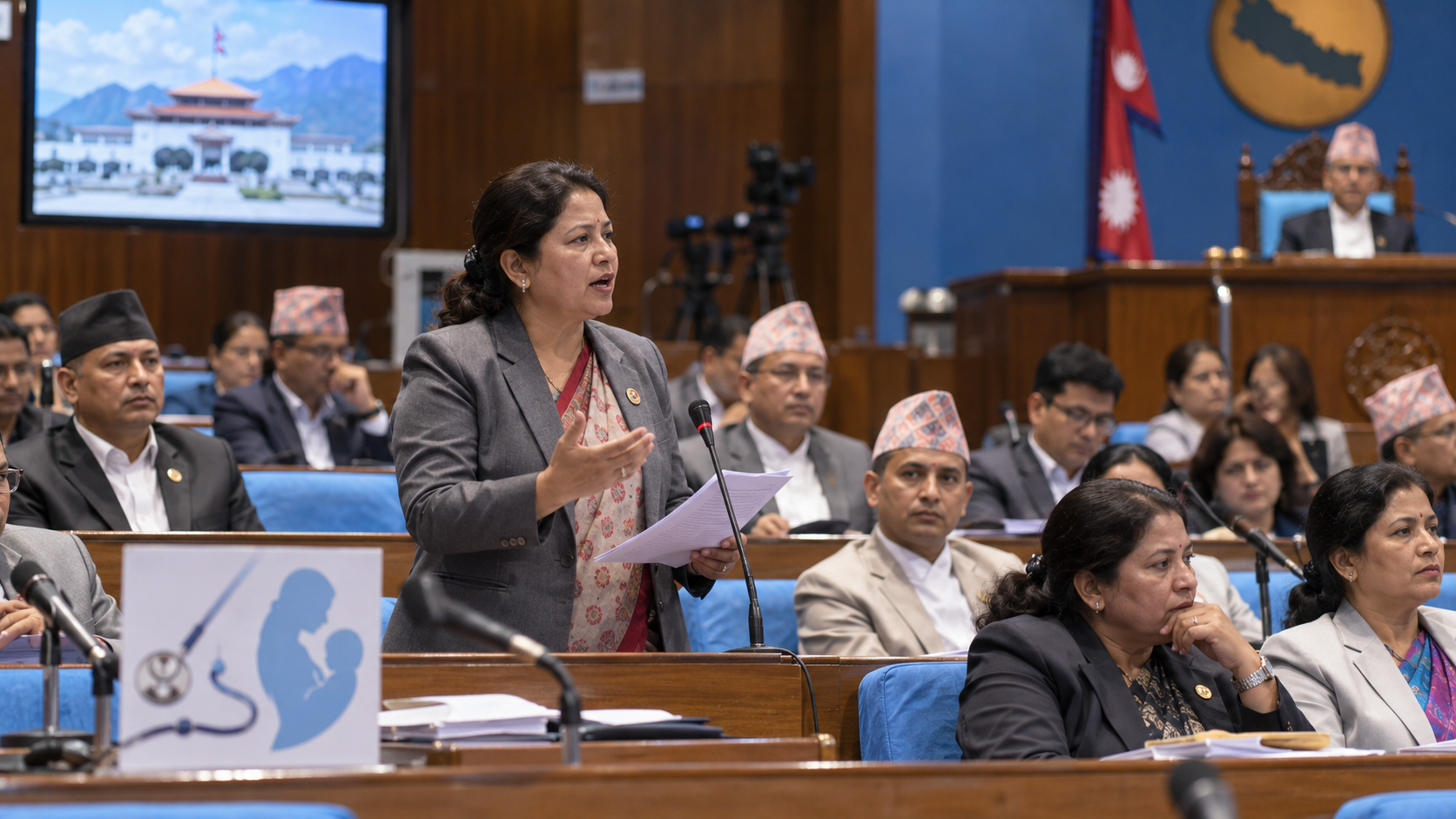
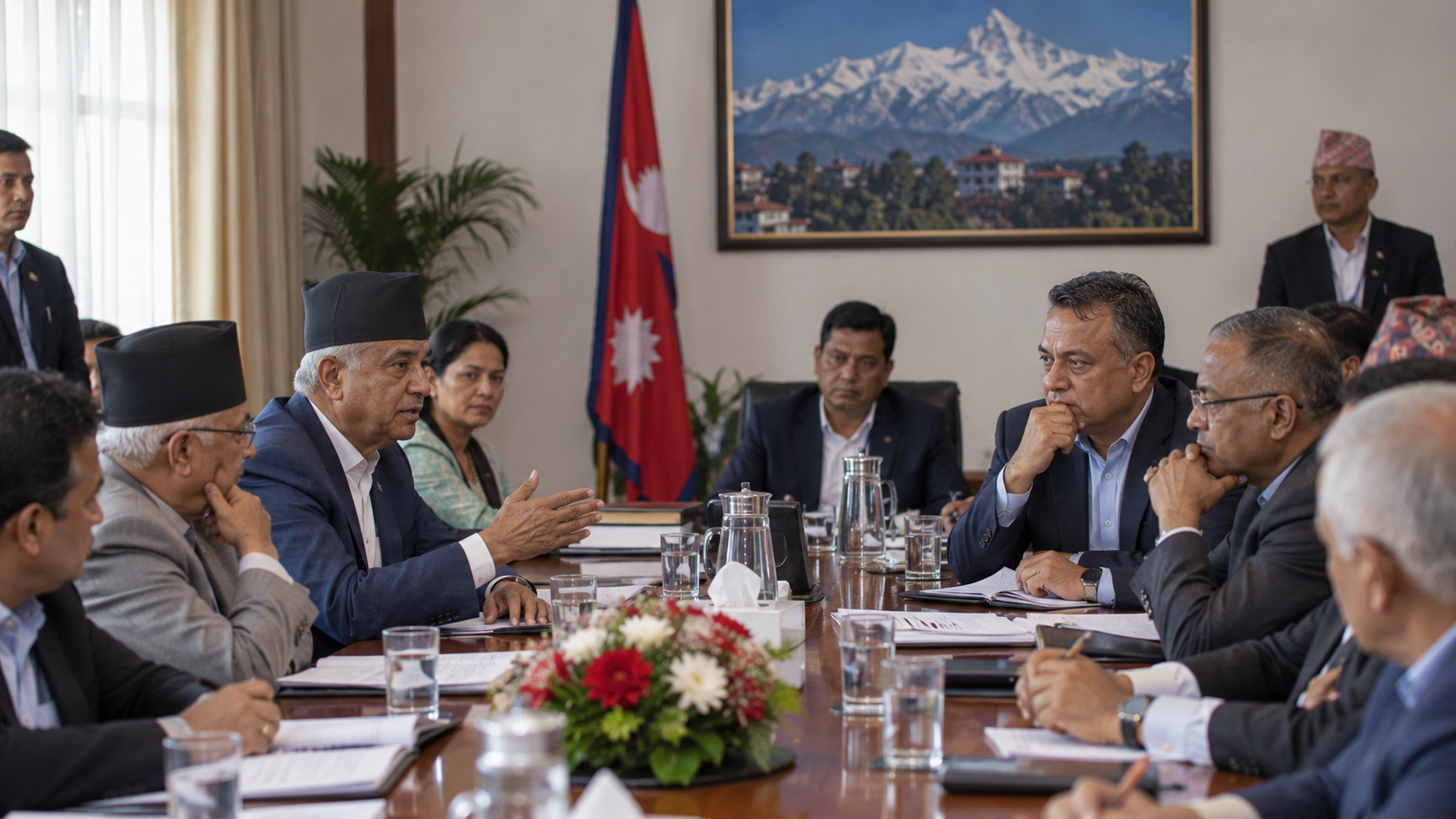
A heated exchange between RSP lawmaker Khagendra Sunar and Nepal Police chief Dan Bahadur Karki erupted during a Public Accounts Committee discussion on alleged irregularities in election police uniform procurement.
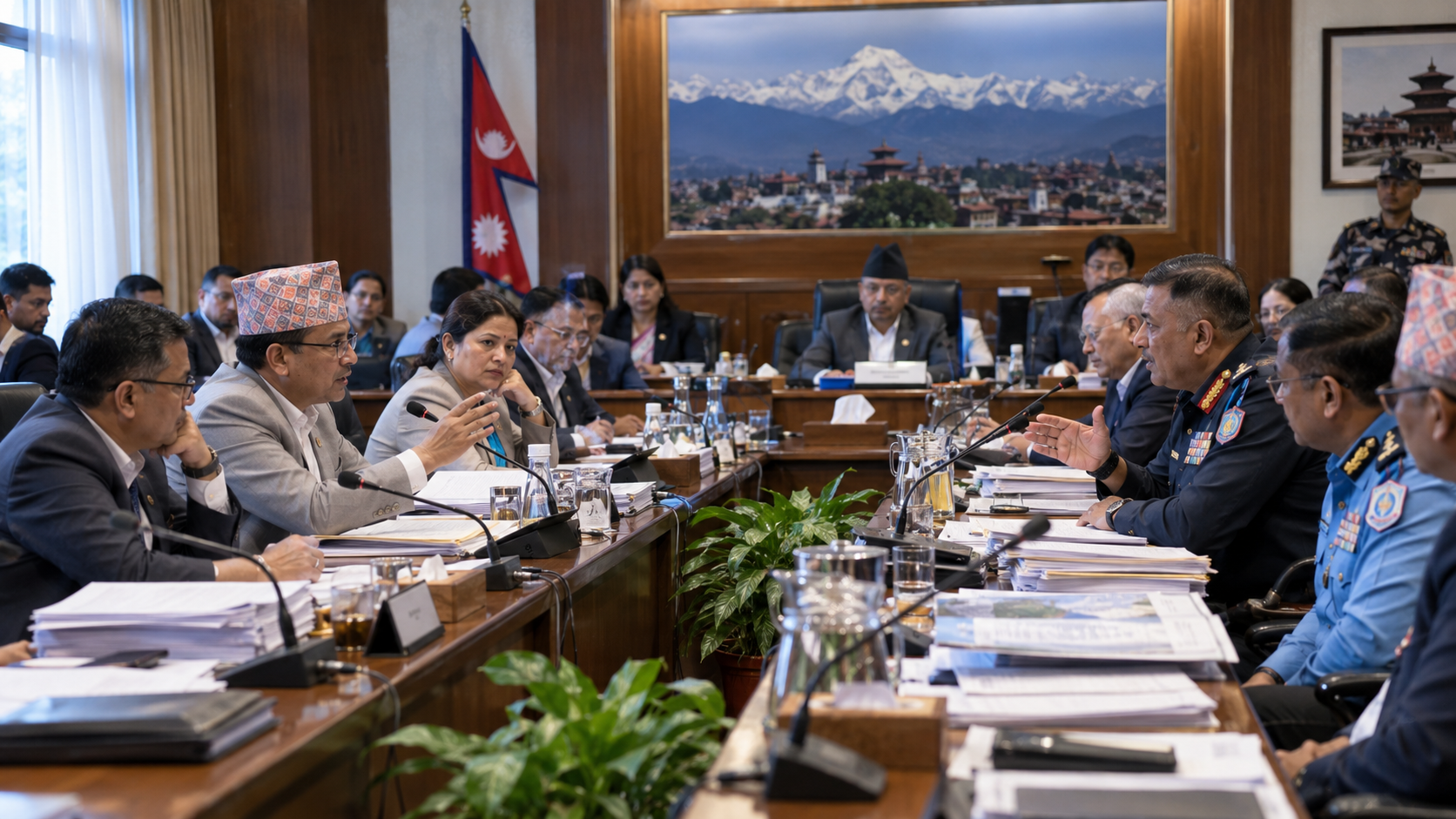
The disagreement arose while the committee was discussing a complaint alleging irregularities in the procurement of uniforms and other supplies for election police personnel.
Although the original Nepali report describes the encounter as a nokjhok, or verbal altercation, subsequent reporting characterised it as a heated exchange rather than a physical confrontation. The dispute later prompted concerns about parliamentary decorum.
Sunar argued that the alleged procurement irregularities required a formal investigation and called for the formation of a probe committee.
He also argued that senior officials facing questions over the procurement should be removed from their responsibilities while an investigation was conducted. His demands included the then home minister, the home secretary and the police chief.
Sunar said the issue concerned supplies provided to police personnel, including lower-ranking and temporary personnel, and argued that an investigation should examine the procurement process and possible financial dealings.
The allegations discussed at the meeting have not been established as wrongdoing through a completed investigation.
IGP Dan Bahadur Karki objected to remarks that he said could damage the reputation of police personnel and the institution.
Karki defended the integrity of officers and argued that parliamentary discussions should maintain basic standards of conduct. Home Secretary Raj Kumar Shrestha, who was also present, said he was willing to cooperate with an investigation and offered to have his and his family's assets examined.
Armed Police Force chief Narayan Dutta Paudel likewise said his organisation would cooperate with an investigation and stated that the procurement process had followed the Public Procurement Rules, 2007.
The Public Accounts Committee did not simply rely on the competing claims made during the meeting.
It instructed the government to provide procurement and contract documents within 15 days. The requested material included procurement guidelines, tender documents, cost estimates, technical and financial evaluations, contracts, supply records, quality-testing reports, bills and payment details.
The documents were intended to allow the committee to examine the procurement process in greater detail before drawing conclusions.
The dispute continued inside the committee as Sunar objected to what he viewed as other lawmakers being too accommodating toward the officials appearing before the committee.
He left the meeting before it concluded, according to subsequent reporting.
Sunar subsequently continued to criticise Karki through social media posts, maintaining that the procurement allegations required investigation.
The dispute did not end with the committee meeting.
House Speaker Dol Prasad Aryal sought information from the Public Accounts Committee's chair and secretary about what had happened during the exchange. He later met Karki to discuss the incident and parliamentary conduct.
Aryal stressed that lawmakers should use respectful language when questioning officials and remain conscious of the dignity of their office. He also said invited officials and lawmakers should consider the sensitivity of matters under discussion.
RSP chair Rabi Lamichhane also sought details of the dispute through the party's parliamentary leadership and indicated that parliamentary discussions should be conducted in a dignified manner.
The episode highlights two separate issues within parliamentary oversight.
The first is the substance of the procurement complaint. The Public Accounts Committee has a responsibility to examine whether public funds have been used properly and whether government procurement follows applicable laws and procedures.
The second concerns how lawmakers and officials conduct those inquiries.
The official Parliament description of the Public Accounts Committee says its central role is to examine government expenditure and whether public funds have been used effectively, efficiently and economically.
That oversight role requires questioning government institutions, but the August dispute also prompted discussion about maintaining parliamentary standards while conducting those inquiries.
The controversy surrounding the election police procurement should be distinguished from a finding of corruption.
At the time of the meeting, the committee was examining a complaint and seeking documents. Other officials involved in the process disputed the allegations or said they were ready to cooperate with an investigation.
The subsequent document review and any formal investigation would therefore be necessary to establish whether procurement rules were violated, whether public funds were misused or whether the allegations were unsupported.
The episode ultimately demonstrates the tension that can arise when Parliament exercises scrutiny over security institutions and government procurement.
For the Public Accounts Committee, the central task remains establishing the facts through documents and evidence while ensuring that parliamentary oversight is conducted within established procedures.
Comments
0 comments
Loading comments...