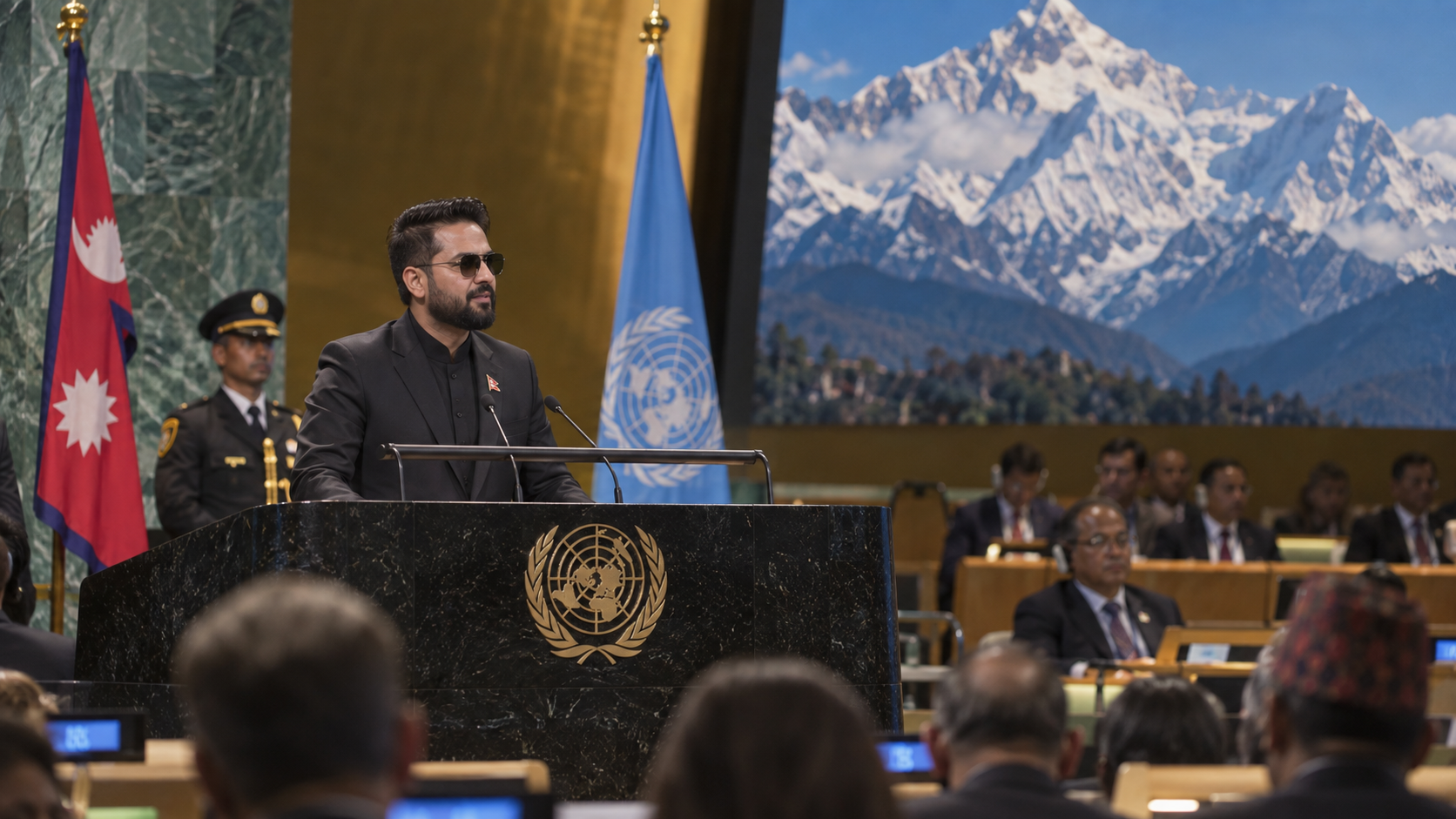
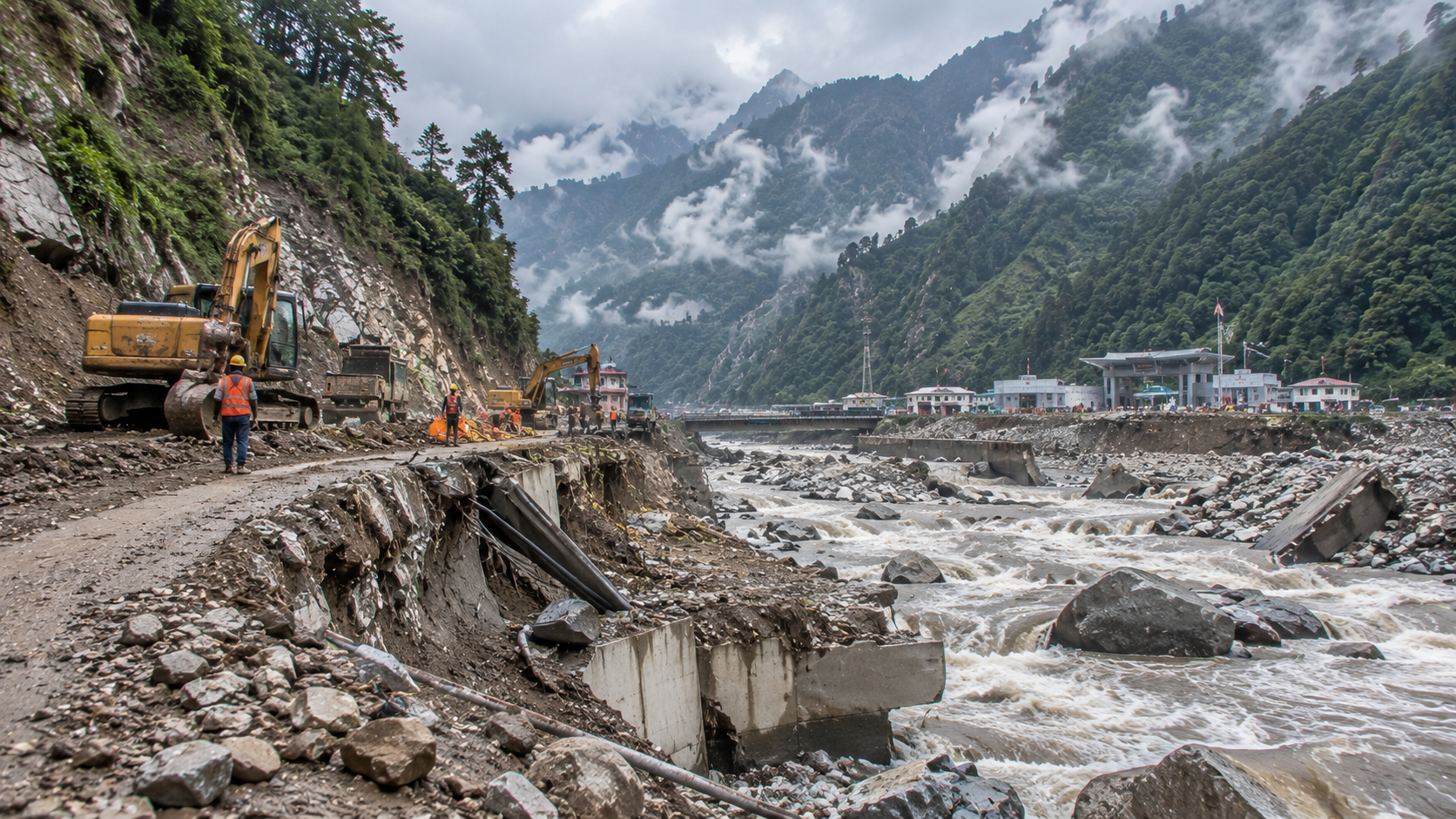
1 May Kathmandu The announcement by India and China to resume the sacred Kailash Mansarovar Yatra through the Lipulekh Pass has once again brought the focus back onto a sensitive geopolitical issue – Nepal’s sovereignty over the disputed territory.
With the resumption of the pilgrimage, a positive sign of improved diplomatic ties between India and China, it has also reignited debate and concern in Nepal. The Lipulekh Pass is a strategic tri-junction between Nepal, India and Tibet (China) and is a disputed territory which Nepal claims as its own.
This is not merely a question of religion and tourism. This is a question of history, and diplomacy, and national identity.
🏔️ A Sacred Journey with Strategic Consequences
The Kailash Mansarovar Yatra is one of Asia’s holiest religious pilgrimages. Thousands of devotees undertake the grueling pilgrimage each year to Mount Kailash and Lake Mansarovar in Tibet, revered by Hindus, Buddhists, Jains and followers of the Bon religion.
The Indian Ministry of External Affairs has confirmed that the pilgrimage will be undertaken between June and August 2026 with organised batches of pilgrims travelling through two routes – Lipulekh Pass in Uttarakhand and Nathu La Pass in Sikkim.
Under the agreement:
• About 20 batches of pilgrims will participate
• Each group will have around 50 people
• Half the groups will go through Lipulekh
While this arrangement reflects the coordination between India and China, Nepal has not been a part of this decision-making process – a matter of serious concern.
⚠ Sovereignty: Nepal’s prime concern
The controversy is over the Lipulekh Pass, which Nepal claims as its territory on the basis of historical treaties and maps.
Nepal has always maintained that:
• Nepal’s territories are Lipulekh, Kalapani and Limpiyadhura
• The area was officially added to Nepal’s political map in 2020.
• Nepal has repeatedly asserted its claim, sending diplomatic notes to India and China.
But today it is India that administers the region and India and China continue to make bilateral arrangements without Nepal’s direct involvement.
The recent decision to resume the yatra through Lipulekh has thus added to the pressure on the Nepal government to act tough.
🏛️ Nepal Government Under Political Pressure
The issue has quickly become a test of Nepal’s leadership.
Experts, analysts and opposition voices are urging the government to:
• raise the issue with India and China delicately
• Re-assert the territory of Nepal.
• Nepal must be involved in any future agreements on Lipulekh
There is growing apprehension that silence or inaction may tarnish Nepal’s image in the international arena.
The situation is particularly sensitive, as similar disputes in the past have already strained Nepal-India relations.
🌏 A Strategic Sign of India-China Cooperation
The resumption of the yatra is also a broader sign of improving ties between India and China.
The revival of the pilgrimage, which comes after years of tension, especially over border clashes and pandemic disruptions, suggests:
• Slowly restoring normal diplomatic relations
• Willing to cooperate in cultural and religious exchanges
• A move towards confidence-building measures
But such cooperation seems to be happening without Nepal’s active involvement, raising questions about the regional balance.
📜 The Conflict History
The dispute over Lipulekh is rooted in different interpretations of historical agreements.
• The boundary between Nepal and British India was defined by the 1816 Sugauli Treaty as the Kali River
• Nepal says the river comes from Limpiyadhura, which puts Lipulekh inside Nepal.
• But India sees the place as its territory, with a different interpretation of its origin
This conflict has been going on for decades and continues to influence modern diplomacy.
🧭 What it means for Nepal
This is not just a border issue, it affects Nepal in many ways:
1. National Identity
National pride and sovereignty are very much linked to territorial integrity.
2. Diplomatic Posturing
Nepal has to juggle its ties with the two big neighbors India and China.
3. Geo politics
Lipulekh is not only symbolic but also an important trade and transit route connecting South Asia with Tibet.
4. Public opinion
The question often evokes strong reactions from citizens, particularly when national territory is seen as being disregarded.
🔍 Public and Experts’ Reaction
Political analysts say Nepal needs a clear, consistent diplomatic strategy.
Some of the key views are:
• Nepal needs to pursue a trilateral dialogue not a bilateral exclusion
• Silence may be construed as consent
• We need a strong but balanced diplomacy to protect our national interests.
At the same time there is a recognition that Nepal cannot afford to raise tensions unnecessarily.
🛤️ Political Reality vs Religious Reality
At its heart the Kailash Mansarovar Yatra is a spiritual journey, but it has increasingly been turned into a symbol of geopolitical negotiation.
It is a symbol of faith and dedication for the pilgrims.
For governments it is:
• Border Security
• Diplomatic coordination.
• Strategic impact
This double nature makes the issue very sensitive.
🔮 What Happens From Here?
The next few weeks will be critical for Nepal.
Possible steps are:
• Issuance of an official diplomatic statement
• Engaging in talks with India and China
• If necessary, raising the issue in international fora
The government’s response will not only have an effect on this specific issue but will also be determinant in where Nepal heads in terms of its foreign policy in general.
🧾 Last Words
The resumption of the Kailash Mansarovar Yatra through Lipulekh is not just a religious announcement. It is also a reminder of unresolved territorial disputes and shifting regional dynamics.
This moment is a challenge and an opportunity for Nepal.”
• A challenge to its sovereignty.
• A chance to have its diplomatic voice heard
But with India and China forging ahead with their plans, Nepal has to decide how firmly – and how strategically – it will respond.
Keywords:
Kailash Mansarovar Yatra 2026, Lipulekh dispute Nepal, India China Nepal relations, Nepal border issue, Kalapani Lipulekh news, Nepal sovereignty issue
Comments
0 comments
Loading comments...