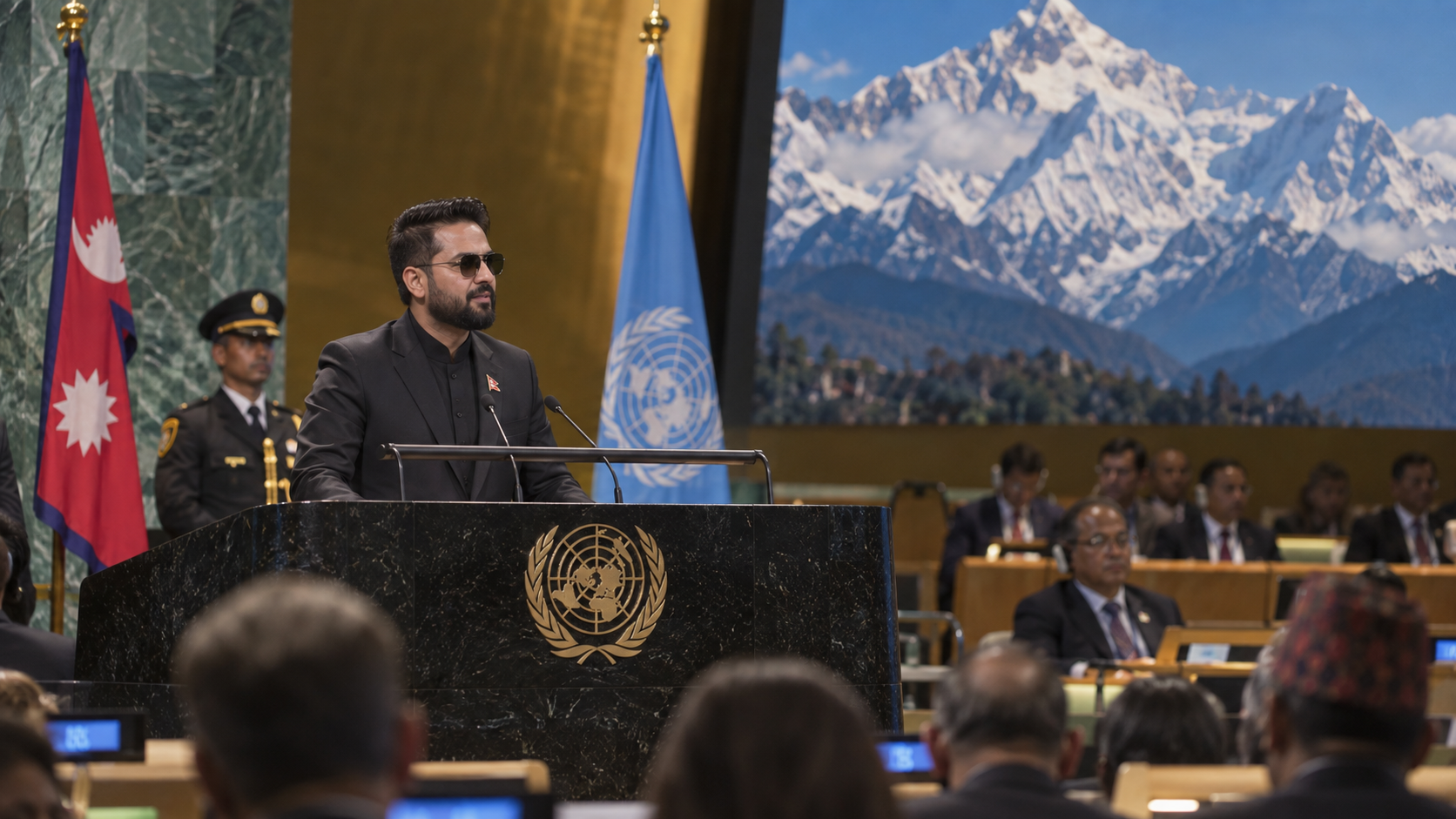
Nepal has stepped up its international campaign for climate justice and compensation, arguing that countries responsible for a large share of global greenhouse-gas emissions should help vulnerable nations bear the cost of increasingly destructive climate-related disasters.
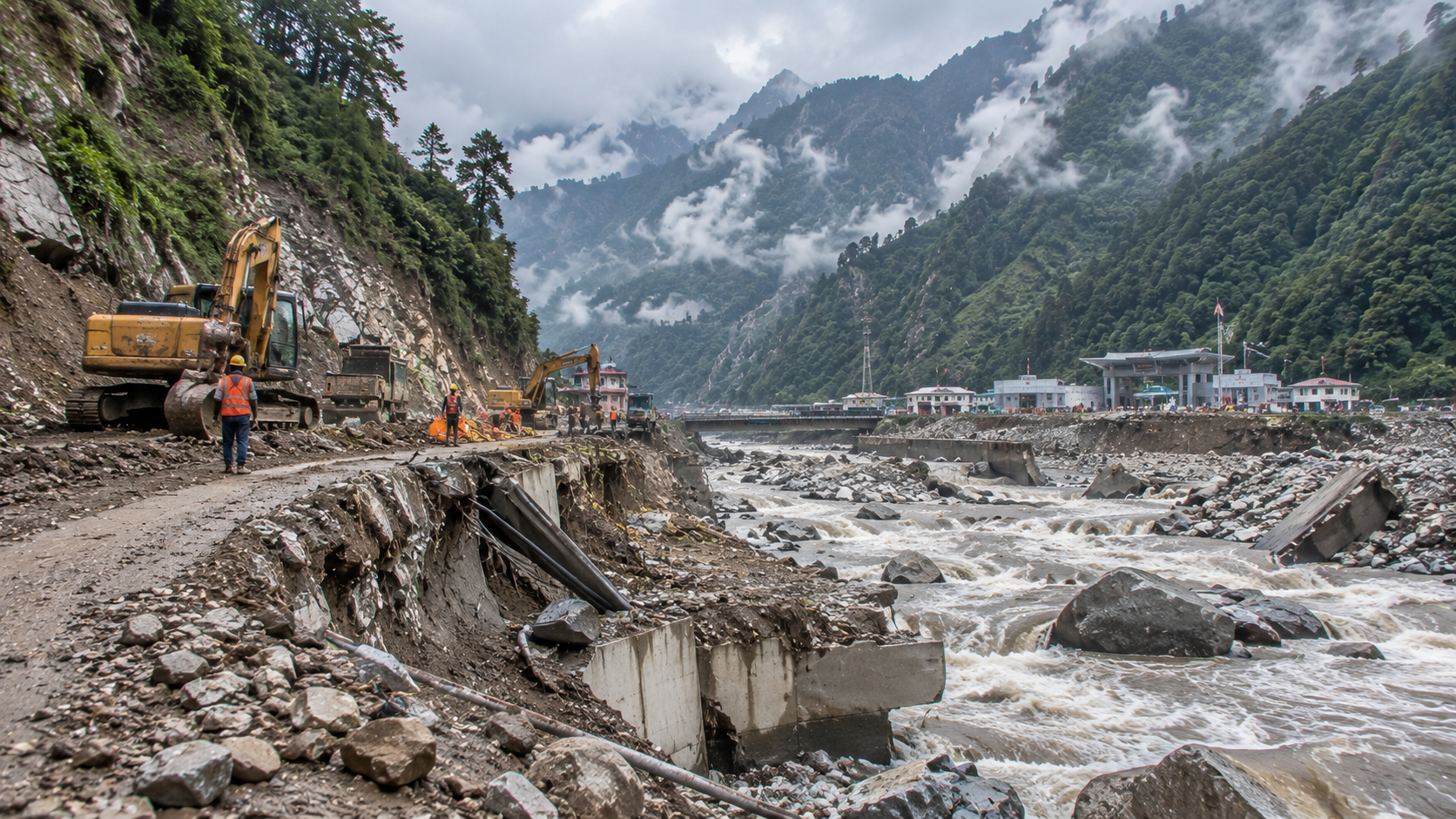
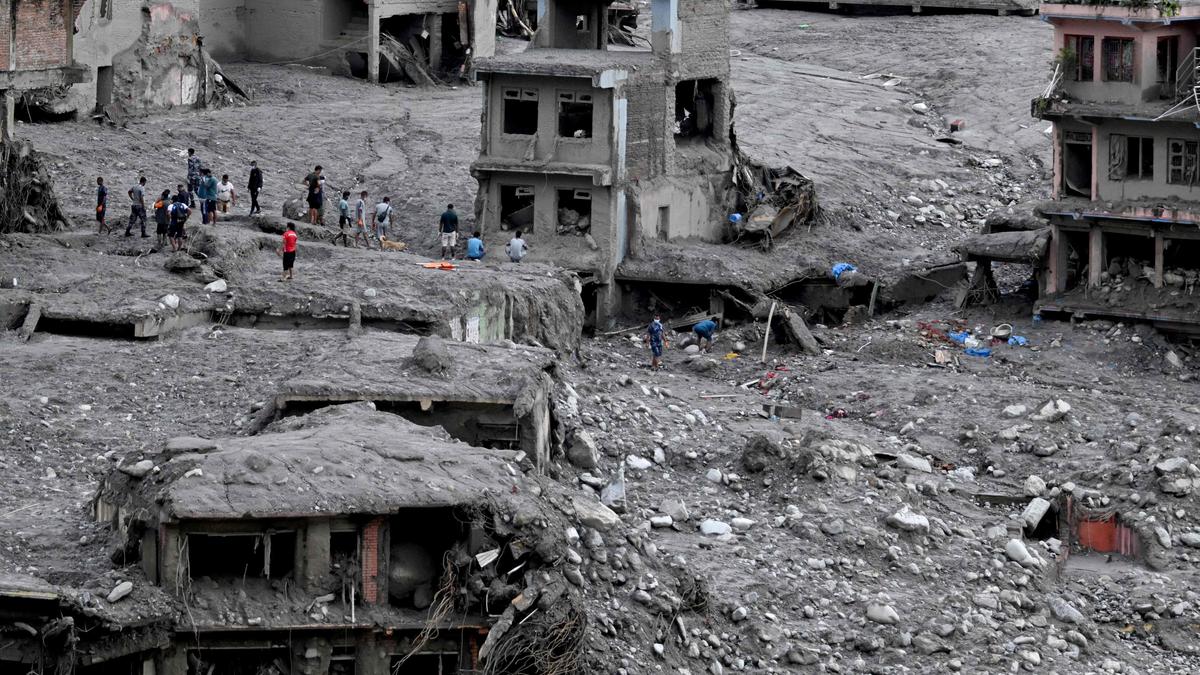
The demand has gained urgency following the catastrophic Bhotekoshi flood of August 26, which devastated communities and infrastructure across northern and central Nepal. The disaster has killed more than a thousand people, left thousands missing and caused billions of dollars in economic losses.
Nepal's Foreign Minister Shisir Khanal has specifically pointed to China, the United States and India as major emitters whose historical and current emissions, in Nepal's view, give them a responsibility toward countries facing disproportionate climate impacts.
Khanal has argued that Nepal's contribution to global greenhouse-gas emissions is negligible, yet the country is facing severe consequences from a warming climate, including glacier changes, extreme mountain events and increasingly dangerous floods.
Kathmandu is seeking to change the way the international community approaches disasters affecting vulnerable developing countries.
Rather than treating Nepal simply as a recipient of humanitarian assistance, the government wants climate-related losses to be addressed through the broader framework of justice, responsibility and compensation.
The Foreign Minister has described the issue as a matter of legal and moral responsibility rather than charity, saying Nepal should not have to bear the consequences of a crisis it contributed little to creating.
The government plans to raise the issue at international forums and push for stronger recognition of the particular risks facing Himalayan countries.
Alongside its diplomatic campaign, Nepal has formally approached the Fund for Responding to Loss and Damage, a UN-backed climate finance mechanism established after the 2022 UN climate conference and operationalised at COP28.
A letter jointly signed by Finance Minister Swarnim Wagle and Forests and Agriculture Minister Geeta Chaudhary asked the fund's board for urgent assistance following the Bhotekoshi disaster.
The government said the full extent of the economic and non-economic damage is still being assessed, but the consequences already exceed Nepal's immediate capacity to respond.
Officials have urged the fund to make a special decision rather than wait for its next scheduled board meeting, saying immediate financial support is essential for relief, restoration of essential services and reconstruction.
This is Nepal's first request for support from the Loss and Damage Fund, according to government officials cited by The Kathmandu Post.
The August 26 disaster has become a powerful example of the climate vulnerability of the Himalayan region.
The flood followed an ice-and-rock collapse in the Himalayan region that generated a massive surge of water and debris through the Bhotekoshi-Trishuli river system. Homes, roads, bridges and hydropower infrastructure were destroyed across several districts.
Nepal's government has linked the growing risks in the Himalayas to climate change, while experts continue to examine the precise chain of geological and climatic factors behind the disaster.
Prime Minister Balendra Shah has said the disaster demonstrates that risks in the Himalayan region are increasing and that the international community needs to recognise the shared responsibility for addressing climate-related impacts.
Nepal's argument rests on a stark imbalance: it has contributed very little to global greenhouse-gas emissions but faces significant exposure to climate-related hazards because of its geography.
The country depends heavily on the Himalayan ecosystem for water, agriculture and hydropower. Changes in glaciers and mountain environments can have consequences not only for Nepal but also for downstream populations across South Asia.
Nepal's government has warned that continued glacier loss could eventually threaten water security for a much larger population in the region.
The Bhotekoshi disaster has therefore become more than a domestic emergency for Kathmandu. It is increasingly being presented as evidence of the wider risks faced by Himalayan countries as global temperatures rise.
Although Nepal is demanding climate compensation, securing actual payments from individual major emitters is likely to be diplomatically and legally challenging.
The Loss and Damage Fund provides a multilateral route for financial support, but its mechanisms are still developing. Nepal's request is significant because the fund has yet to establish a straightforward system through which countries can automatically receive compensation for individual disasters.
There is also a broader debate over how responsibility for climate-related disasters should be established, how historical emissions should be calculated and whether a specific disaster can be directly attributed to the emissions of particular countries.
That means Nepal's diplomatic push will likely require not only political pressure but also stronger scientific evidence, detailed assessments of losses and sustained international engagement.
India has said climate change is a shared global challenge while reiterating its support for Nepal during the disaster.
New Delhi has also highlighted the importance of climate equity and has historically argued that climate responsibilities should consider countries' historical emissions, development needs and capacities.
Meanwhile, both India and China have provided assistance for Nepal's rescue and relief operations following the Bhotekoshi disaster.
For Nepal, the debate is no longer limited to recovering from one devastating flood.
The government wants the Bhotekoshi disaster to become a warning about the future of the Himalayas—and a catalyst for stronger international support for climate adaptation, disaster preparedness and loss and damage.
The challenge now is to turn that political argument into concrete financial support.
With reconstruction costs continuing to rise and the full human and economic consequences of the disaster still being assessed, Kathmandu is making clear that it expects the international community to share a greater part of the burden.
The Bhotekoshi disaster has exposed Nepal's vulnerability—but it has also given the country a stronger platform to demand that climate justice move from international statements to tangible action.
HamroBichar will continue to follow Nepal's climate diplomacy, international compensation efforts and the long-term recovery from the Bhotekoshi disaster.
Tags: Nepal, Climate Compensation, Climate Justice, Bhotekoshi Flood, Loss and Damage Fund, Climate Change, India, China, United States, Himalayan Disaster, HamroBichar
Comments
0 comments
Loading comments...