Solidarity with Nepal has grown across Australia following the devastating Bhotekoshi flood, with the parliaments of Tasmania and South Australia passing condolence motions in memory of those who lost their lives and expressing support for communities affected by the disaster.
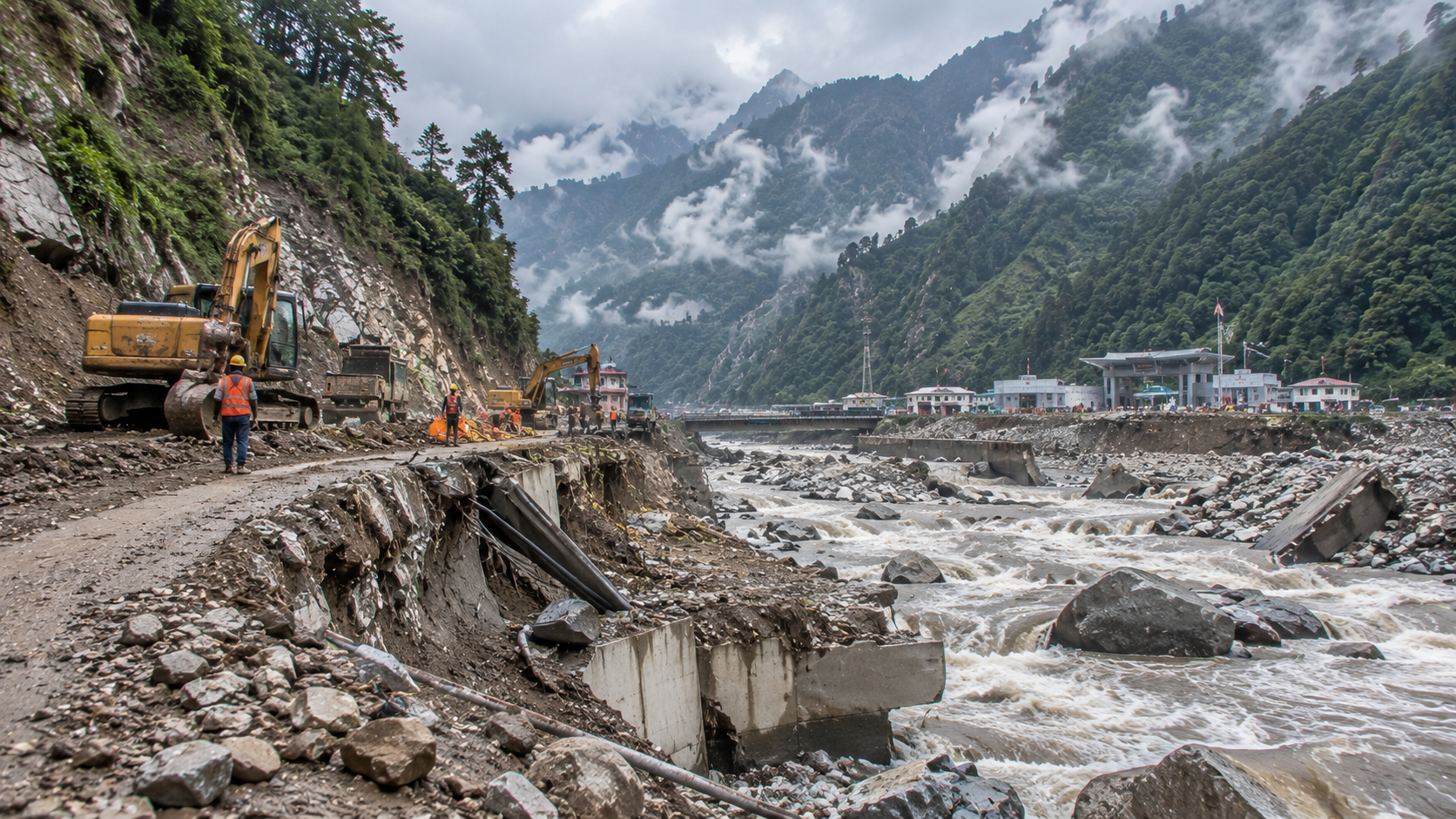
The gestures come as Nepal continues a large-scale search, rescue and relief operation following the catastrophic flood of August 26, which caused widespread destruction across Rasuwa, Nuwakot, Dhading and other areas.
The two Australian states have also pledged humanitarian support as Nepal moves from emergency rescue operations toward relief and recovery.
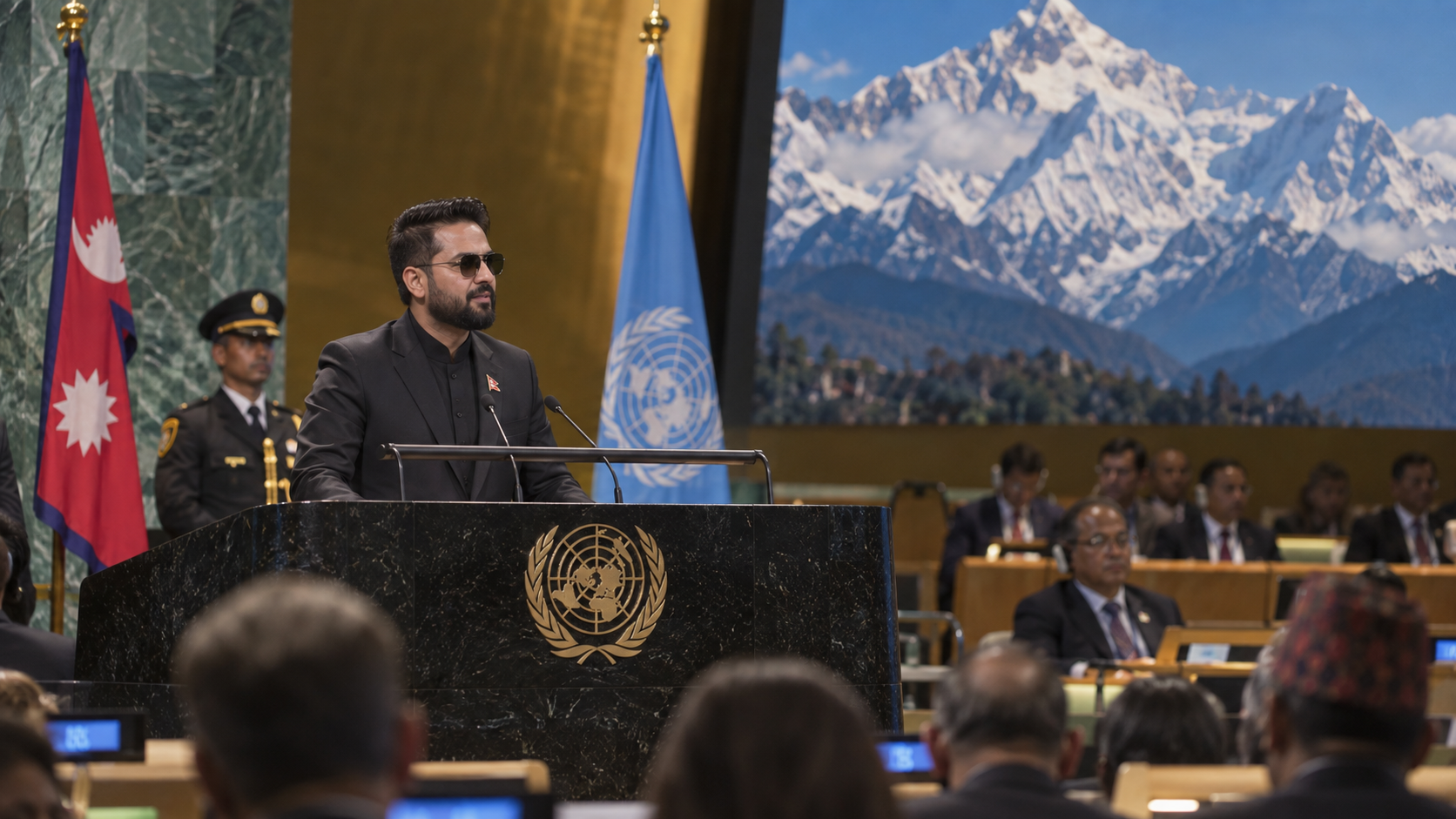
The South Australian Parliament passed a special motion expressing sorrow over the loss of life and solidarity with Nepali communities affected by the disaster.
South Australian Premier Peter Malinauskas told the parliament that his government had allocated A$200,000 in humanitarian assistance through UNICEF Australia for relief and rehabilitation efforts.
The funding is intended to support children and families affected by the disaster and provide assistance during the recovery period.
Members from both the governing Labor Party and opposition expressed condolences to victims and their families and pledged to stand with the Nepali community during the difficult period.
Representatives of Australia's Nepali community were also present during the parliamentary proceedings.
The Tasmanian Parliament also expressed solidarity with Nepal.
The state parliament suspended its sitting on Tuesday in recognition of the loss of life caused by the Bhotekoshi disaster, reflecting the seriousness with which the tragedy has been received within the Australian political community.
The gesture was particularly significant for Nepal's diaspora community in Tasmania, where many Nepalis have built their lives and contributed to the state's multicultural society.
The parliamentary gestures come alongside broader assistance from the Australian government.
Australia has already committed A$8 million toward Nepal's search, rescue and relief efforts following the disaster. The Royal Australian Air Force has also transported humanitarian supplies to Nepal, while more than three dozen Australian specialists have been deployed to assist with search and rescue operations.
Australia's Governor-General Sam Mostyn also visited the Embassy of Nepal in Canberra on September 3 to convey condolences and solidarity.
She signed the embassy's condolence book and expressed sympathy for people who lost family members, homes and livelihoods, as well as families still waiting for information about missing relatives.
Support for Nepal has extended beyond the two state parliaments.
Australian Prime Minister Anthony Albanese spoke by telephone with Nepal's Prime Minister Balendra Shah and expressed condolences over the loss of life.
Foreign Minister Penny Wong has also said Australia is prepared to support Nepal's ongoing search, rescue, relief and reconstruction efforts.
Leaders in several Australian states and territories have similarly expressed support.
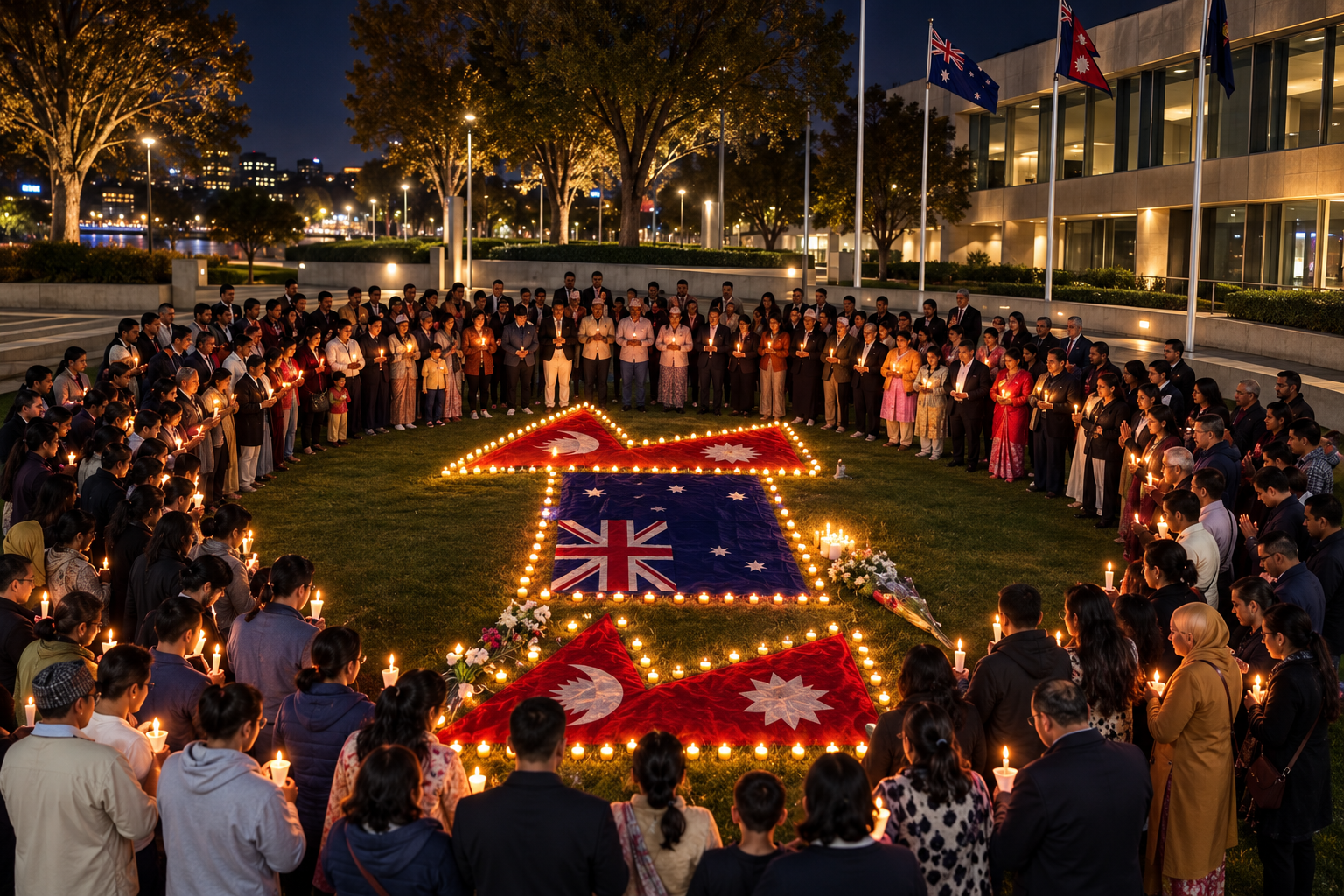
In Victoria, Premier Jacinta Allan participated in a candlelight event in Melbourne organised in solidarity with Nepal's affected communities. In Queensland, Treasurer Jim Chalmers attended a similar event in Brisbane.
Other political leaders, including Queensland Premier David Crisafulli, Northern Territory Chief Minister Lia Finocchiaro and Western Australia's Multicultural Minister Jessica Stojkovski, have also expressed sympathy and support for Nepal.
Australia's support has also been visible through public displays of solidarity.
The Tasman Bridge in Tasmania and Kangaroo Point Bridge in Brisbane were illuminated in white in memory of those affected by the disaster and to show solidarity with Nepal's community in Australia.
Nepali community organisations across Australia have also organised candlelight vigils and remembrance programmes.
Local politicians, community leaders and representatives from different cultural groups have participated in these events, demonstrating the wider community's support for Nepal.
Nepal has welcomed assistance from Australia alongside support from numerous other countries and international organisations.
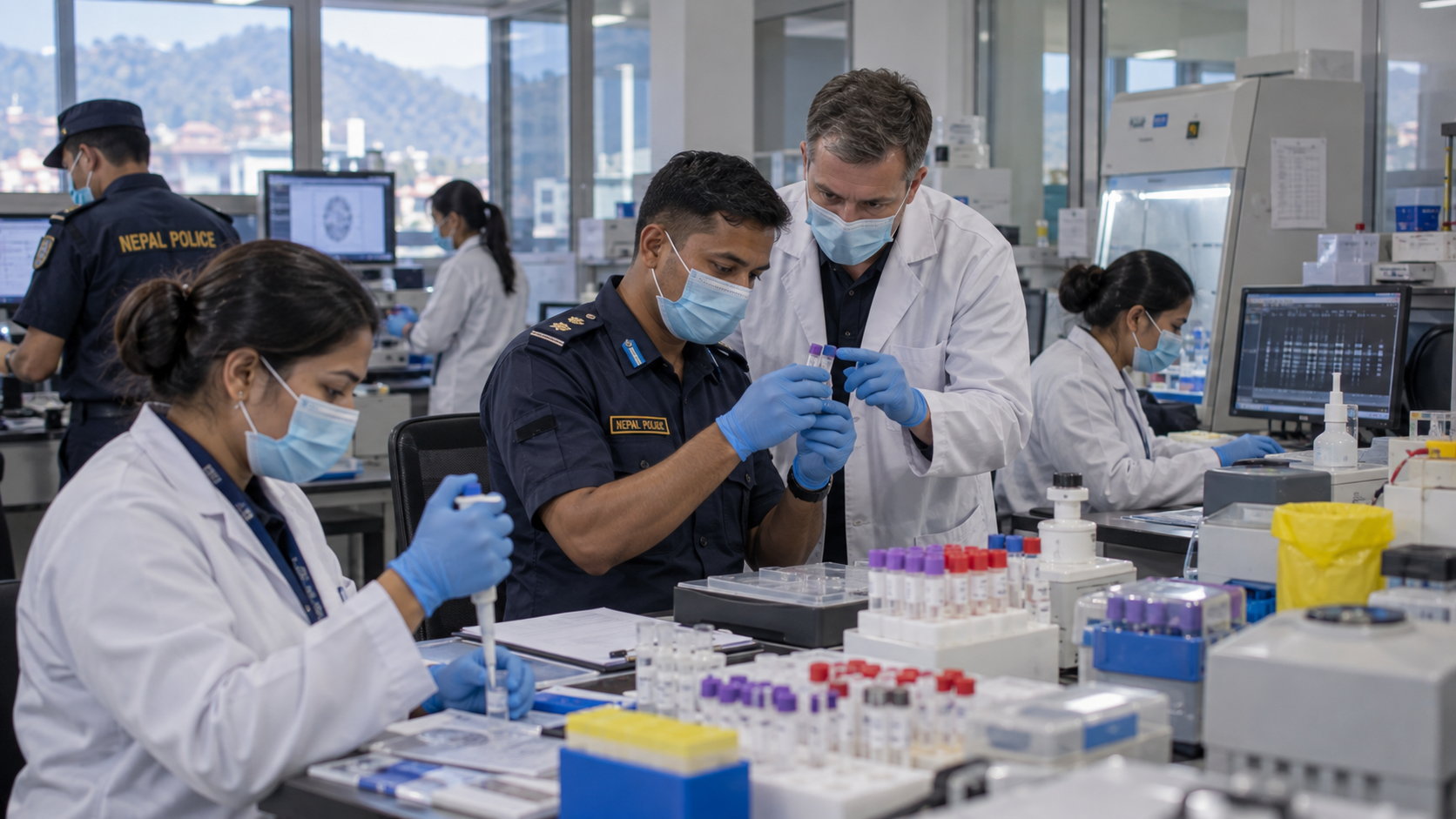
Nepal's Ministry of Foreign Affairs has said assistance has come in various forms, including rescue expertise, equipment, logistics, medical and forensic support and financial assistance. Australia is among the countries that have provided support following the disaster.
The disaster has also highlighted the vulnerability of the Himalayan region and the importance of international cooperation in disaster preparedness, early-warning systems and climate resilience.
For Nepalis living in Australia, the response has carried a particularly strong emotional significance.
NRNA Oceania Vice-President and South Australia coordinator Thir Gurung said the support shown by Australian political parties, ministers, lawmakers, media organisations and community groups during the crisis had been significant.
He said the solidarity demonstrated during the disaster also reflected the contribution of the Nepali community to Australia's multicultural society.
As Nepal continues its search for missing people and begins the difficult process of reconstruction, the support from Australia represents both practical assistance and a message of solidarity from a large and active Nepali diaspora.
The Bhotekoshi disaster has brought enormous loss to Nepal, but the response from communities and governments abroad has shown that the country is not facing the crisis alone.
HamroBichar will continue to follow international support for Nepal, the role of the Nepali diaspora and the country's ongoing recovery from the Bhotekoshi disaster.
Tags: Australia, Nepal, Bhotekoshi Flood, Tasmania, South Australia, Nepali Diaspora, Peter Malinauskas, Anthony Albanese, Humanitarian Aid, Nepal Disaster 2026
Comments
0 comments
Loading comments...