
Why Becoming a University Vice-Chancellor in Nepal Is Increasingly Seen as an Unwanted Job
By Ranjeet YadavPublished: May 17, 2026Updated: October 15, 2026Reading time: 5 min
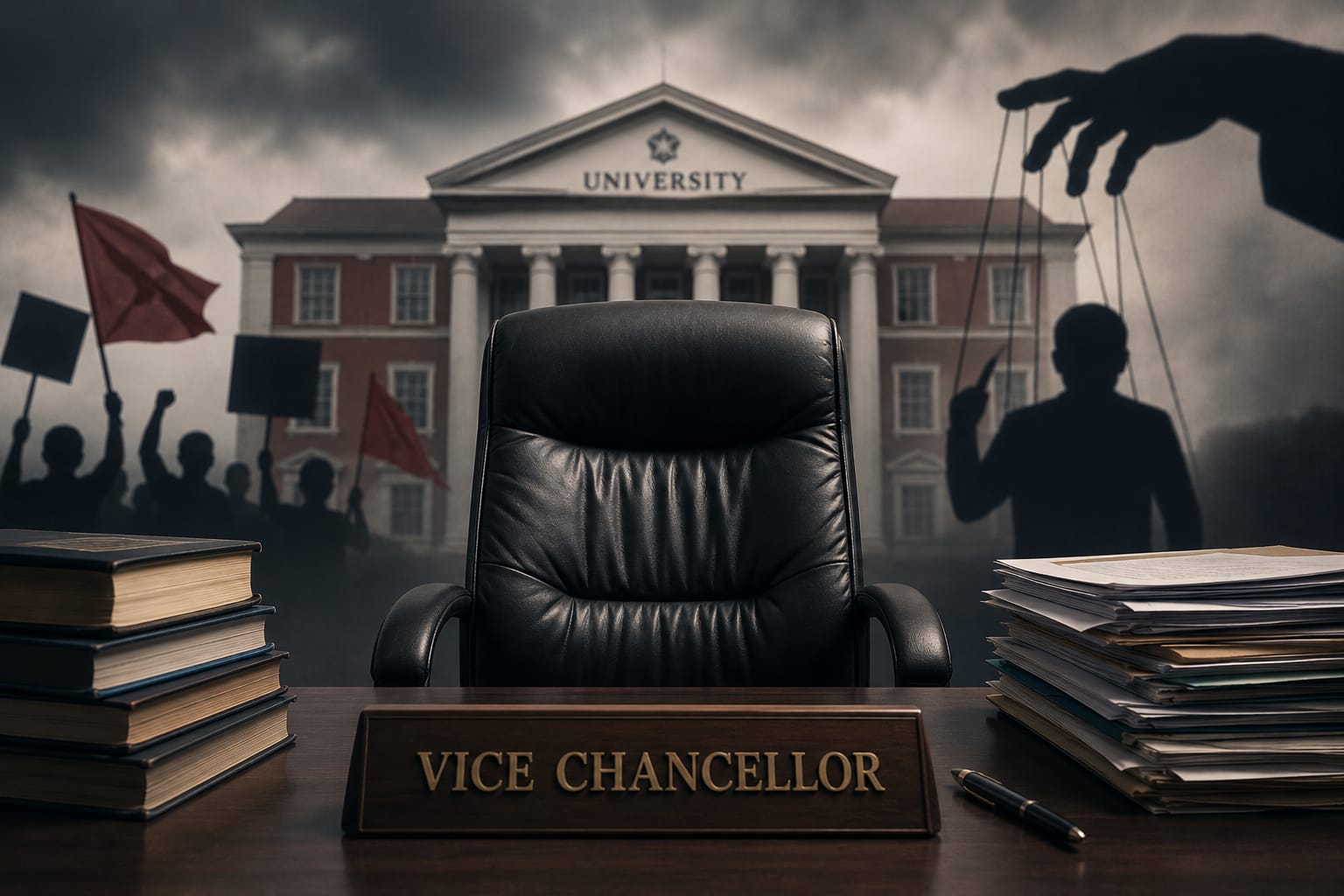
17 May Kathmandu With the higher education system in Nepal facing a deep institutional crisis, political interference, waning public trust and growing student migration abroad, one important question is being asked more and more:
Who would really want to be a university vice chancellor in Nepal?
The debate has intensified following the government’s recent invitation for applications for the post of vice-chancellor at several universities, and as criticism grows over political control and weak academic autonomy.
A number of education experts say the vice-chancellor position in Nepal, once considered one of the country’s most respected academic positions, has become increasingly politically risky, institutionally weak and administratively frustrating.
🎓 Politics vs Academia: Vice Chancellors in Crossfire
In Nepal vice-chancellors are formally responsible for the academic and administrative leadership of universities. But many university leaders, critics say, are under heavy political influence today.
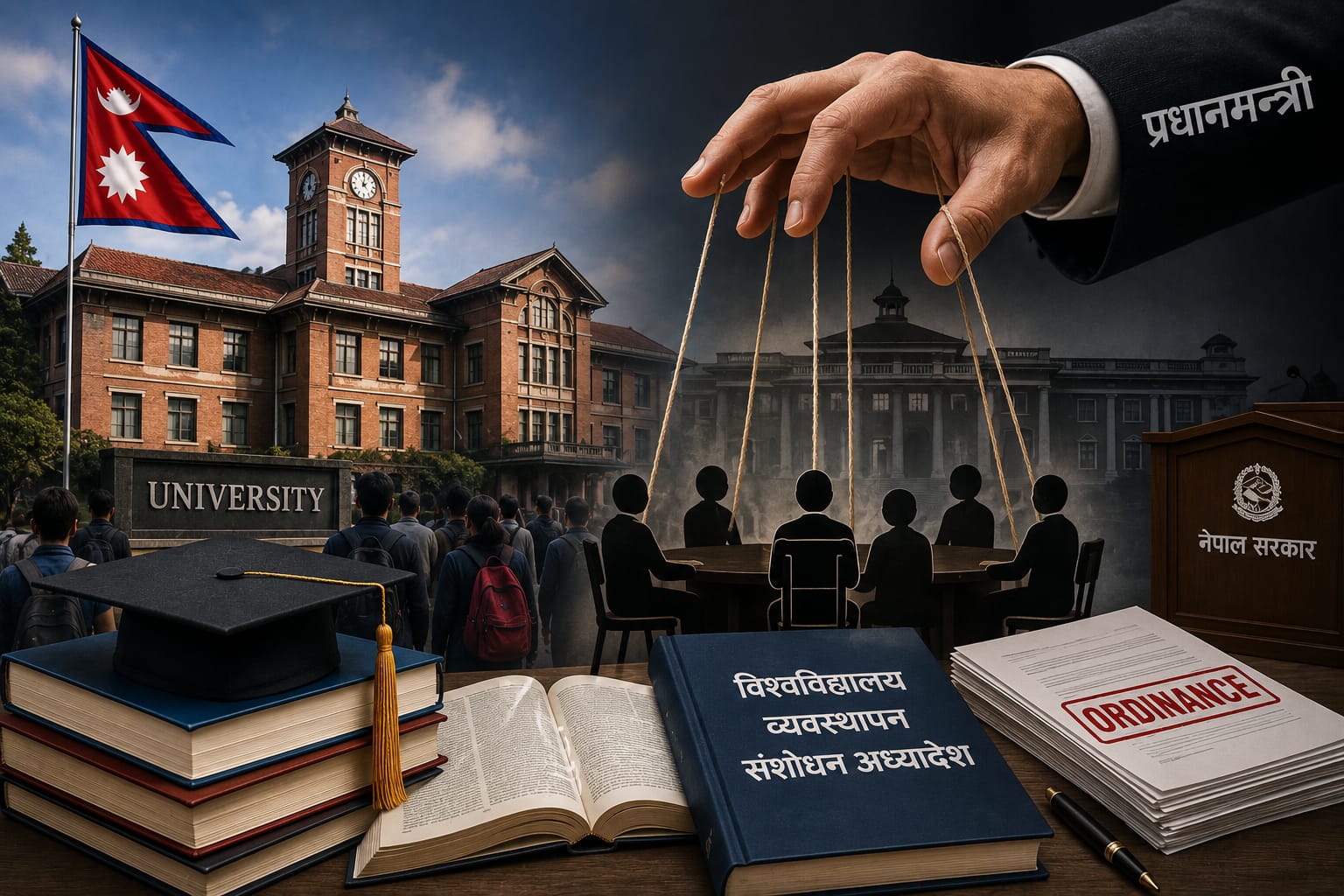
Most of the public universities in Nepal are still closely affiliated with the government structures where:
- Prime Minister is the Chancellor
- Appointments and political party influence
- Student unions’ strong political ties
- Pressure from outside on big decisions
This structure limits real academic independence, say education analysts.
As a consequence, vice-chancellors are often under pressure from:
- Political parties
- Government agencies
- Student associations
-Teacher union
- Bureaucratic systems
making long-term reform very difficult.
⚠️ Authority Without Leadership
One of the biggest frustrations for university leaders, experts say, is being held accountable for institutional problems over which they have no full authority to solve.
Vice-chancellors are frequently attacked for:
- delay of exams
- strikes political
- Corruption charges
- Teacher disputes
- Financial issues
- Inefficiency in administration
But many analysts say they lack the independence to carry out major reforms.
Some former university officials have also privately complained that decision-making remains slow and politically sensitive.
📉 Confidence in Universities Declining
The credibility crisis of Nepal’s higher education system is growing.
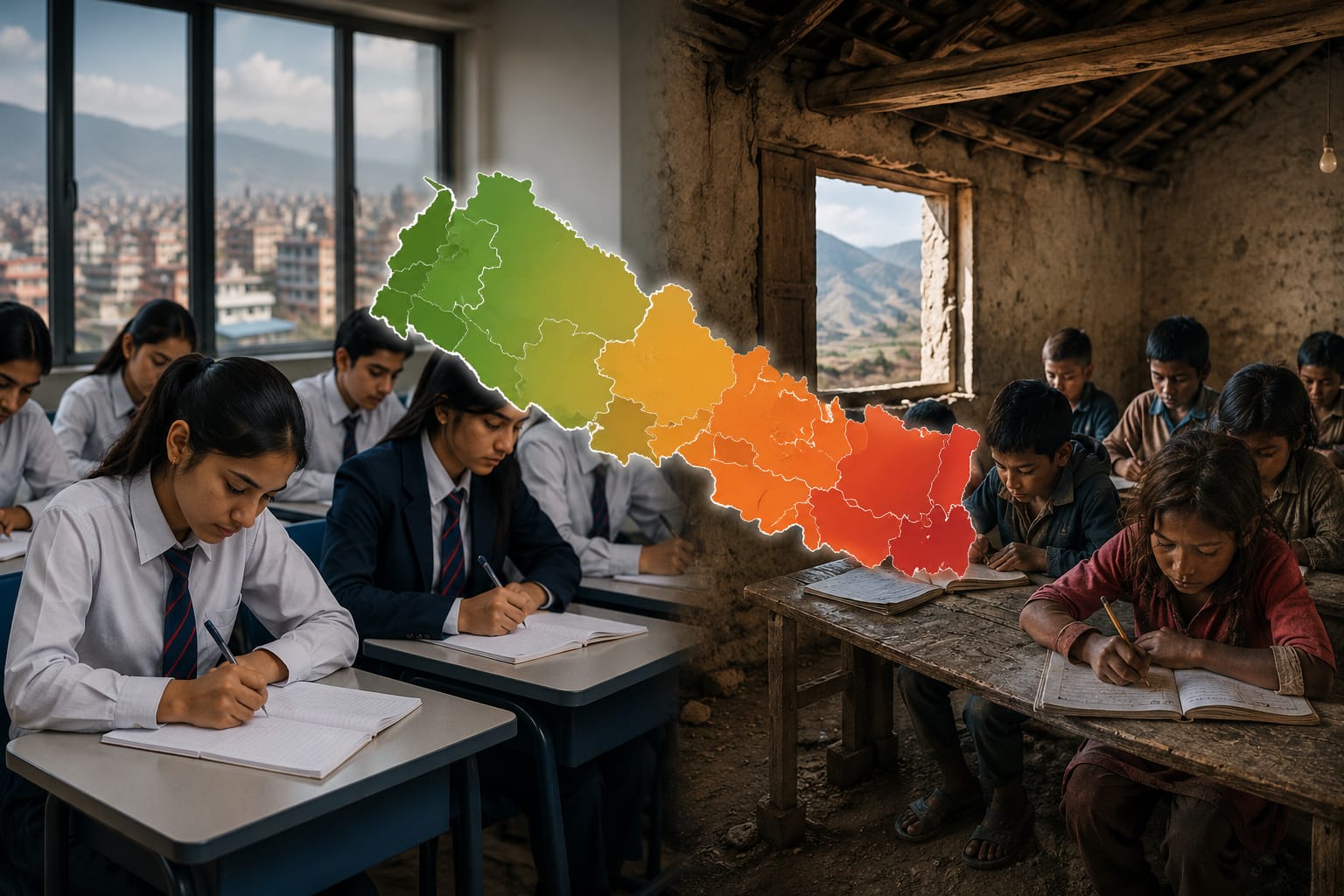
Every year thousands of Nepali students leave the country for higher education abroad, particularly to:
–Australia
- Canada
- United Kingdom
- États-Unis
- Japan (Japan
Many students and parents now think overseas universities offer:
- Education of higher quality
- More stable education systems
- More career opportunities
This increasing migration has put pressure on Nepali universities to modernize and compete globally.
🧑🏫 Too Often Undervalued Academic Excellence
Education experts say that the process of selecting university leadership in Nepal is often biased toward:
- Political ties
- Administration Networking
- Equilibrium of Power
not:
- Vision to academia
- Scientific achievement
- Innovation institutional
Critics say it discourages top scholars from taking leadership roles.
Some respected academicians apparently avoid becoming vice-chancellors because:
- Political controversy
- Public opinion
- Instability of institutions
- Reputational risks
🏛️ Government Control Sparks Heated Debate
Recent criticism that government control over universities has actually increased rather than decreased has made the issue even more sensitive.
Many university professors used to insist:
- More autonomy
- Less political interference
- Autonomous governance systems
But a number of observers say Nepal’s universities are still enmeshed with the country’s political power structures.
This has added fuel to the broader discussion on whether the Nepalese universities can really function as autonomous institutions of higher learning under the present system.
🌍 Universities Try Out Different Models
A few new institutions are experimenting with different governance arrangements.
For example, the newly formed University of Nepal has proposed a governance model that seeks to reduce political interference and increase institutional autonomy.
Such models may become more important if Nepal is to rebuild trust in higher education, say education reform advocates.
📚 Universities have many structural problems
Apart from politics, Nepal’s universities are also facing:
- Poor funding for research
- Obsolescent curricula
- Emigración de cerebros
- short of faculty
- Bad infrastructure
- Administrative waiting
Many public campuses still suffer from chronic instability that directly affects academic quality.
Experts warn that Nepal could continue to lose large numbers of talented students abroad unless universities become more independent, innovative and professionally managed.
🧠The role still has symbolic importance
However, the vice-chancellor role continues to carry high national prestige and influence.
Suresh Raj Sharma and many other respected education leaders have shown visionary leadership in the past to help transform parts of Nepal’s higher education system.
But many analysts believe such institutional transformation has become ever more difficult in today’s political environment.
📌 Summary
The growing row over university leadership is symptomatic of a graver crisis in Nepal’s higher education sector.
Faced with growing political interference, administrative pressure and public dissatisfaction, many experts now doubt whether Nepal’s universities can draw strong academic leaders without radical structural reform.
The vice-chancellorship in Nepal is no longer just an honour for many scholars, but one of the most politically difficult and institutionally constrained leadership positions in the country.
Tags: Nepal Universities, Vice Chancellor Nepal, Higher Education Nepal, Nepal Education Crisis, University Politics Nepal
🌐 https://hamrobichar.com/
📧 info@hamrobichar.com
Related Articles
Comments
Join the discussion
0 comments
Loading comments...